 Breaking News & Live Updates
- Breaking News & Live Updates
- Breaking News & Live Updates
- Breaking News & Live Updates
- Breaking News & Live Updates
- Breaking News & Live Updates
- Breaking News & Live Updates
- Breaking News & Live Updates
- Breaking News & Live Updates
- Breaking News & Live Updates
Escitalopram Normalizes Brain Activity in Social Anxiety Disorder, Study Reveals
Unlocking the Brain's Response: Escitalopram's Role in Social Anxiety Recovery
Exploring the Neural Signature of Social Anxiety
Finnish researchers have uncovered a distinct pattern of brain activity in individuals with social anxiety disorder (SAD). Specifically, they observed that the left inferior frontal gyrus, a cerebral area crucial for processing self-related information, exhibited diminished responsiveness to negative self-referential adjectives compared to positive ones. This finding contrasts with the brain activity seen in healthy individuals, suggesting a potential neural biomarker for SAD.
Defining Social Anxiety Disorder
Social anxiety disorder is characterized by an overwhelming and persistent apprehension of social situations, driven by fears of judgment, embarrassment, or scrutiny. This condition extends beyond typical shyness, leading to significant distress and avoidance behaviors in daily life. Common scenarios that trigger anxiety include public speaking, interacting with new acquaintances, or being observed during routine activities. The physical manifestations can range from blushing and sweating to a rapid heartbeat, often compelling individuals to either withdraw or endure these situations with considerable discomfort. The disorder typically emerges in adolescence or early adulthood, profoundly impacting one's quality of life through negative self-perceptions and fear of rejection.
Investigating Therapeutic Interventions
The study's principal investigator, Rasmus Rinne, alongside his team, aimed to not only delineate the neural discrepancies in SAD patients during self-evaluation but also to assess the effect of escitalopram on these brain functions. Escitalopram, a selective serotonin reuptake inhibitor (SSRI), is widely prescribed for managing depression and anxiety disorders, making it a relevant candidate for this research.
Methodology: A Double-Blind Approach
The research encompassed 35 individuals diagnosed with social anxiety disorder and 16 healthy controls, all with an average age of 25. A significant portion of the social anxiety cohort (27 individuals) and a smaller segment of the healthy group (7 individuals) were women. Participants with SAD were randomly assigned to either receive 10mg of escitalopram daily or an inert placebo for a week. To ensure objectivity, the study was conducted as a double-blind trial, meaning neither the participants nor the interacting researchers were aware of the treatment allocation.
Brain Activity Assessment During Self-Referential Tasks
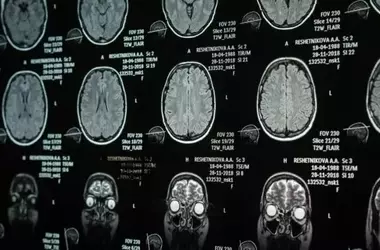
During functional magnetic resonance imaging (fMRI) scans, participants engaged in self-referential processing tasks. They were instructed to imagine overhearing others describe them using specific adjectives displayed on a screen and then to classify these adjectives as positive or negative. The stimuli included 60 adjectives related to personality traits, evenly split between positive and negative, along with 20 neutral words. Additional fMRI data was collected during periods of rest to establish baseline brain activity.
Key Findings: Escitalopram's Normalizing Effect
The study revealed that the social anxiety group initially exhibited a less pronounced difference in left inferior frontal gyrus activation when contrasting negative and positive self-referential adjectives, compared to the healthy control group. However, following escitalopram treatment, this difference notably increased, aligning more closely with the activity observed in healthy individuals. Similar trends were noted in the precentral gyrus activity when processing negative versus neutral adjectives, with the social anxiety group showing lower initial differences that potentially improved with medication.
Implications for Treatment and Future Research
The researchers posited that the reduced activation in the left inferior frontal gyrus during exposure to negative social cues might be a characteristic feature of social anxiety disorder. They concluded that escitalopram could normalize this activation, possibly by facilitating a re-evaluation of negative social information, a process potentially linked to inner speech and self-reflection. While this study significantly advances the understanding of escitalopram's therapeutic mechanisms in SAD, the relatively small sample size necessitates further research with larger cohorts to validate these findings and explore their broader applicability.
Other Articles
 Dec 19, 2025
Computer-Assisted Therapy Reshapes Brain Connectivity in Depression
A new study reveals that computer-assisted cognitive behavioral therapy (CCBT) effectively reduces depression symptoms by nearly 50% and induces significant changes in brain connectivity. Published in 'Molecular Psychiatry,' the research indicates that CCBT strengthens connections between the prefrontal cortex and deeper emotional regulation centers, offering a more accessible and cost-effective treatment alternative.
 Dec 19, 2025
Happiness Fuels Self-Control: A New Perspective on Psychological Well-being
Groundbreaking research challenges the traditional belief that self-control directly leads to happiness. Instead, a study published in "Social Psychological and Personality Science" indicates that a positive psychological state is a prerequisite for effective self-control. This suggests that fostering emotional health may be a more effective path to achieving long-term objectives than solely relying on willpower. The findings urge individuals to prioritize well-being as a cornerstone for enhancing discipline and pursuing personal growth.
 Dec 15, 2025
Musical Training May Postpone Age-Related Hearing Decline by a Decade
A recent study indicates that individuals with musical training may experience a delayed onset of age-related hearing decline, specifically in their ability to understand speech in noisy environments. The research, published in the 'Journal of Otology,' compared musicians and non-musicians across various age groups, revealing that while this ability generally diminishes with age, the decline is significantly slower and less pronounced in those with musical backgrounds. This suggests that engaging in musical activities could potentially offer a protective effect against age-related cognitive auditory deterioration.
 Dec 13, 2025
Narrative Patterns in Autistic Individuals and Their Siblings
A recent study published in the Journal of Autism and Developmental Disorders reveals distinct narrative patterns in autistic individuals and their non-autistic siblings. Researchers found that these groups, when constructing stories from picture sequences, tend to employ fewer causal explanations and descriptions of characters' thoughts and feelings compared to neurotypical controls. This research highlights unique cognitive processing in ASD and suggests a potential genetic influence on narrative style within affected families, offering new insights into how individuals on the spectrum organize and interpret social information in storytelling.
 Dec 12, 2025
Understanding Maladaptive Coping in Socially Anxious Adolescents
New research reveals that adolescents grappling with social anxiety frequently depend on unhelpful mental strategies to navigate everyday stress. These young individuals possess positive coping abilities but tend to over-rely on detrimental habits like excessive worry. This behavioral pattern remains consistent across age and gender, shedding light on a critical area for intervention in managing adolescent social anxiety.
 Dec 11, 2025
Autistic Individuals Exhibit Enhanced Self-Assessment Accuracy in the Workplace
A recent study published in Autism Research reveals that autistic employees demonstrate a reduced susceptibility to the Dunning-Kruger effect, a cognitive bias where individuals overestimate their abilities. Through a cognitive reflection task, autistic participants more accurately assessed their performance compared to their non-autistic counterparts, suggesting a potential workplace advantage. This research highlights the unique cognitive strengths within the autistic community, particularly in metacognition and self-evaluation.