 Breaking News & Live Updates
- Breaking News & Live Updates
- Breaking News & Live Updates
- Breaking News & Live Updates
- Breaking News & Live Updates
- Breaking News & Live Updates
- Breaking News & Live Updates
- Breaking News & Live Updates
- Breaking News & Live Updates
- Breaking News & Live Updates
Mediterranean Diet Benefits Linked to Tiny Mitochondrial Proteins
Emerging research sheds new light on the cellular mechanisms through which the Mediterranean diet confers its widely recognized health advantages. A recent investigation highlights the potential role of minuscule proteins residing within mitochondria, the energy centers of our cells, as key mediators of these benefits. The findings suggest that strict adherence to this dietary pattern, characterized by an abundance of olive oil, fish, and legumes, correlates with elevated levels of protective microproteins that combat various age-related ailments. This revelation marks a significant step towards understanding the intricate biological interplay between nutrition and cellular longevity.
Understanding the body's internal workings: How the Mediterranean Diet Enhances Cellular Function
A recent study, published in the journal 'Frontiers in Nutrition,' proposes a compelling hypothesis: the profound health benefits associated with the Mediterranean diet might stem from the activity of minuscule proteins within our cells' mitochondria. These cellular powerhouses, crucial for energy generation, contain their own distinct genetic material, which for a long time was partially overlooked by geneticists. Early in the Human Genome Project, short sections of this mitochondrial DNA were dismissed as non-functional due to their size. However, scientists have since discovered that these segments produce active molecules known as mitochondrial microproteins.
These microproteins, though significantly smaller than conventional cellular proteins, play vital roles in maintaining cellular health and resilience against stress. Notably, two specific microproteins, Humanin and SHMOOSE, have garnered attention for their potent protective qualities. Previous investigations have linked Humanin to improved insulin sensitivity, enhanced cellular survival, and a bolstered defense against cardiovascular disease. Similarly, SHMOOSE appears to offer protection to brain cells from the kind of structural damage frequently observed in Alzheimer's disease. Given the deep involvement of mitochondria in nutrient processing, researchers, led by Roberto Vicinanza and Pinchas Cohen from the University of Southern California, initiated a study to explore whether daily dietary habits could influence the production of these crucial microproteins.
Dietary Adherence and Microprotein Levels: A Closer Look at the Connection
The research team sought to determine if individuals adhering to a traditional Mediterranean diet exhibited distinctive concentrations of Humanin and SHMOOSE in their bloodstream. This dietary style, celebrated for its emphasis on whole grains, fruits, vegetables, legumes, and olive oil, while minimizing red meat and highly processed carbohydrates, is widely endorsed for its metabolic and cardiovascular benefits. The study also aimed to assess markers of oxidative stress, a biological process that damages cells and contributes to aging. Mitochondria naturally produce reactive oxygen molecules as a byproduct of energy generation, akin to exhaust from an engine. An overproduction of these molecules, often triggered by the enzyme Nox2, leads to oxidative stress. The investigators hypothesized that a healthy diet could elevate microprotein levels, thereby mitigating this detrimental oxidative activity.
To investigate these hypotheses, researchers enlisted 49 older adults from a cardiovascular clinic in Rome, Italy, with an average age of approximately 78 years. These participants, originally part of a larger study on heart rhythm disorders, completed a standardized dietary questionnaire detailing their typical eating habits. Points were assigned based on the frequency of consuming staple Mediterranean foods. Based on these scores, participants were categorized into groups with high or low-to-medium adherence to the Mediterranean diet. Fasting blood samples were then collected to measure Humanin and SHMOOSE levels, along with two chemical markers of cellular oxidative stress. The laboratory personnel conducting these analyses were blinded to the participants' dietary groups, ensuring impartiality. A clear physiological pattern emerged: those with high adherence to the Mediterranean diet displayed significantly elevated concentrations of both Humanin and SHMOOSE. While basic lipid profiles did not show statistically significant differences, the variations in microprotein levels were pronounced. Further analysis revealed that daily consumption of olive oil and minimal refined white bread correlated with higher SHMOOSE levels, while regular intake of olive oil, fish, and legumes was associated with elevated Humanin levels. Additionally, an inverse relationship was observed between Humanin and Nox2, suggesting that Humanin might actively inhibit this enzyme, thereby reducing harmful oxidative damage in the bloodstream.
Other Articles
 Apr 24, 2026
Self-Perception and Social Expectation Misalignment Drives Loneliness in Borderline Personality Disorder
A recent study published in "Comprehensive Psychiatry" explores how the discrepancy between an individual's self-perception of social preferences and their expectations of others' social preferences contributes to loneliness in people with Borderline Personality Disorder (BPD). This misalignment, where individuals with BPD view themselves as more prosocial but anticipate selfishness from others, creates a cycle of misunderstanding and disappointment, intensifying feelings of isolation.
 Apr 23, 2026
Moderate Caffeine Intake Does Not Trigger Panic Attacks but Influences Behavioral Choices, Study Finds
A recent study published in the Journal of Psychopharmacology indicates that moderate caffeine consumption is unlikely to induce panic attacks in individuals diagnosed with panic disorder. However, it may increase their tendency to avoid uncomfortable situations. This research offers valuable insights for managing anxiety symptoms while maintaining daily dietary habits.
 Apr 22, 2026
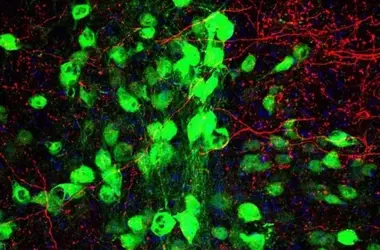
New Brain Pathway Links Tourette's and OCD
Researchers have discovered a neural pathway connecting the brain's motor cortex, responsible for movement, to the insular cortex, which handles emotions and self-awareness. This pathway, identified through a thalamic relay, offers a new understanding of how motor tics in Tourette's syndrome can influence emotional processing. The findings suggest a common biological basis for Tourette's and co-occurring conditions like OCD, paving the way for less invasive treatment approaches such as ultrasound neuromodulation.
 Apr 22, 2026
Unraveling Mental Illness: A Machine Learning Approach to Cellular Brain Activity
Scientists have developed PhysMAP, a new machine learning tool that deciphers the electrical signals of individual neuron types to understand their role in mental illnesses. This innovation allows researchers to identify specific cells involved in conditions like schizophrenia and major depressive disorder directly from living brain recordings, paving the way for targeted psychiatric treatments without genetic manipulation.
 Apr 22, 2026
Achieving Digital Harmony: Overcoming Screen Dependence for Enhanced Well-being
In an era where digital tools are woven into daily life, maintaining digital well-being is crucial. This article explores strategies for mindful technology use, emphasizing the importance of setting boundaries and fostering a balanced relationship with screens. By understanding the impact of digital engagement on mental, physical, and emotional health, individuals can transform passive consumption into intentional interaction, leading to a more hopeful and balanced digital experience. It delves into the pitfalls of excessive screen time and offers practical advice for establishing healthier digital habits.
 Apr 20, 2026
Weight Training Enhances Cognitive Function and Mental Health in Senior Women
A recent clinical trial published in the Journal of Affective Disorders demonstrates that older women can significantly improve memory, cognitive function, and reduce anxiety through weightlifting, regardless of intensity. This study underscores the profound psychological benefits of structured physical exercise as a non-pharmacological intervention for the aging mind, offering a powerful tool against cognitive decline and mood disorders in later life.