 Notizie di ultima ora e aggiornamenti in tempo reale
- Notizie di ultima ora e aggiornamenti in tempo reale
- Notizie di ultima ora e aggiornamenti in tempo reale
- Notizie di ultima ora e aggiornamenti in tempo reale
- Notizie di ultima ora e aggiornamenti in tempo reale
- Notizie di ultima ora e aggiornamenti in tempo reale
- Notizie di ultima ora e aggiornamenti in tempo reale
- Notizie di ultima ora e aggiornamenti in tempo reale
- Notizie di ultima ora e aggiornamenti in tempo reale
- Notizie di ultima ora e aggiornamenti in tempo reale
What Does “Autoimmune Disease” Mean? A Clinical and Physiological Overview

An autoimmune disease is a condition in which the body’s immune system mistakenly identifies its own healthy cells, tissues, or organs as foreign entities and initiates an inflammatory response against them. Under normal physiological conditions, the immune system serves as a sophisticated defense network designed to distinguish "self" from "non-self." In the case of autoimmunity, this discernment fails, leading to progressive tissue damage. This article provides a neutral, evidence-based exploration of the meaning and mechanisms of autoimmunity. It details the biological principles of immune tolerance, the core mechanisms of "self-attack," the objective classification of these conditions, and the frameworks used for clinical management. The following sections follow a structured trajectory: defining the parameters of immune recognition, explaining the cellular mechanisms of dysregulation, presenting a comprehensive view of global health metrics, and concluding with a technical inquiry section to address common questions regarding immune system behavior.

1. Basic Conceptual Analysis: Immune Recognition and Tolerance
To analyze the meaning of autoimmune disease, one must first establish the fundamental biological rules that govern the immune system's behavior.
The Principle of Self-Tolerance
The cornerstone of a healthy immune system is self-tolerance. During the development of immune cells (T-cells in the thymus and B-cells in the bone marrow), the body undergoes a "screening" process. Any cells that react too strongly to the body's own proteins are typically eliminated or inactivated. This ensures that the immune system remains "tolerant" of the host's own tissues.
The Failure of Discrimination
An autoimmune disease represents a breakdown in this tolerance. Instead of focusing exclusively on pathogens (such as bacteria or viruses), the immune system begins to produce autoantibodies—proteins that bind to the body’s own cells—or activates T-cells to attack specific anatomical sites.
Global Prevalence and Categories
According to the National Institutes of Health (NIH), there are more than 80 recognized types of autoimmune diseases, affecting approximately 5% to 8% of the population in developed nations. These conditions are generally categorized into two types:
- Organ-Specific: The immune response is directed at a single organ (e.g., the pancreas in Type 1 diabetes).
- Systemic: The immune response affects multiple organs or tissues throughout the body (e.g., systemic lupus erythematosus).
2. Core Mechanisms: Molecular Mimicry and Cellular Dysfunction
The transition from a healthy state to an autoimmune state involves complex cellular and molecular interactions.
Molecular Mimicry
One prominent theory of autoimmunity is molecular mimicry. This occurs when a foreign pathogen (like a virus) possesses structural components that closely resemble the host's own proteins.
- Infection: The immune system creates antibodies to neutralize the pathogen.
- Cross-Reactivity: Because the pathogen looks like a self-protein, the antibodies begin to attack the host's own tissue even after the infection is cleared.
The Role of B-Cells and T-Cells
- B-Cells: These cells produce autoantibodies that "tag" healthy tissue for destruction.
- T-Cells: Cytotoxic T-cells may directly damage cells, while Helper T-cells release cytokines that sustain a state of chronic inflammation.
- Regulatory T-Cells (Tregs): In many autoimmune conditions, the "Tregs," which are supposed to suppress excessive immune activity, are either insufficient in number or functionally impaired.
Genetic and Environmental Interplay
Autoimmunity is rarely the result of a single factor. It is governed by a "multi-hit" hypothesis:
- Genetic Predisposition: Specific human leukocyte antigen (HLA) genes are associated with an increased probability of immune dysregulation.
- Environmental Triggers: Factors such as ultraviolet radiation, specific dietary components, or chemical pollutants may alter the structure of self-proteins, making them appear "foreign" to the immune system.
3. Presenting the Full Picture: Objective Clinical Discussion
The management of autoimmune diseases focuses on modulating the immune response to prevent further tissue degradation while maintaining enough immune function to protect against pathogens.
Comparative Overview of Common Autoimmune Conditions
| Condition | Primary Target | Physiological Impact |
| Rheumatoid Arthritis | Synovial membrane of joints | Chronic joint inflammation and bone erosion |
| Type 1 Diabetes | Pancreatic Beta cells | Failure of insulin production and hyperglycemia |
| Multiple Sclerosis | Myelin sheath of nerves | Disruption of nerve signal transmission |
| Celiac Disease | Small intestine lining | Malabsorption triggered by gluten ingestion |
| Hashimoto’s Disease | Thyroid gland | Reduced production of metabolic hormones |
Data on Demographic Distribution
Data from the World Health Organization (WHO) and the American Autoimmune Related Diseases Association (AARDA) highlights a significant demographic disparity: approximately 75% of individuals with autoimmune diseases are female. Research into the roles of X-chromosome inactivation and hormonal modulation (estrogen/progesterone) is ongoing to explain this statistical observation.
Objective Frameworks for Management
Clinical management typically follows a three-tiered approach:
- Symptom Management: Addressing the immediate effects of inflammation (e.g., pain or fatigue).
- Replacement Therapy: Providing the body with substances it can no longer produce (e.g., insulin for diabetes or thyroxine for thyroid conditions).
- Immune Modulation: Utilizing agents to suppress or recalibrate the overactive portion of the immune system.
4. Summary and Future Outlook: Precision Immunology
The scientific community is shifting away from broad immune suppression toward more targeted "precision" interventions.
Future Directions in Research:
- Antigen-Specific Therapy: Developing "vaccines" that teach the immune system to become tolerant of a specific self-protein again, rather than suppressing the entire immune system.
- Gut Microbiome Modulation: Investigating how the trillions of bacteria in the intestines influence the training of immune cells and the prevention of "leaky gut" associated with systemic inflammation.
- CRISPR and Gene Editing: Exploring the possibility of "correcting" the genetic sequences (like HLA variants) that predispose individuals to autoimmunity.
- AI-Based Diagnostics: Using machine learning to analyze complex patterns of autoantibodies in the blood to identify autoimmune conditions years before physical symptoms appear.
5. Q&A: Clarifying Common Technical Inquiries
Q: Does "Autoimmune" mean I have a "weak" immune system?
A: Not necessarily. In fact, the immune system in an autoimmune state is often "overactive" or "misdirected." The challenge is not a lack of defense, but a failure of the defense system to identify the correct targets.
Q: Are autoimmune diseases "contagious"?
A: No. Because the condition is rooted in the individual's own genetic and cellular recognition systems, it cannot be transmitted from one person to another like a viral or bacterial infection.
Q: What is a "Flare-up"?
A: A flare-up is a period of increased disease activity where symptoms become more intense. These are often triggered by external stressors—such as an unrelated infection, physical exhaustion, or emotional stress—which cause the immune system to increase its inflammatory signaling.
Q: Why is it often difficult to get a definitive diagnosis?
A: Many autoimmune diseases share non-specific symptoms, such as fatigue and joint pain. Additionally, many individuals carry "autoantibodies" in their blood without ever developing a full clinical disease, making blood tests alone insufficient for a diagnosis without accompanying physical evidence.
Q: Can dietary changes "cure" an autoimmune disease?
A: While specific conditions like Celiac disease require strict dietary exclusion (gluten), for most other autoimmune diseases, diet is considered a supportive factor rather than a standalone cure. Objective evidence suggests that while a nutrient-dense diet can help manage inflammation, it does not typically "reverse" the underlying genetic or cellular malfunction.
This article provides informational content regarding the scientific and clinical aspects of autoimmune diseases. For individualized medical advice, diagnostic assessment, or the development of a health management plan, consultation with a licensed healthcare professional or a board-certified immunologist is essential.

Altri articoli
 Dec 26, 2025
Difference Between Acute and Chronic Conditions: A Clinical and Physiological Overview
In medical science, the classification of health states is primarily determined by their temporal progression and the nature of the body’s physiological response. The termsacuteandchronicdescribe the duration, onset, and resolution pattern of a condition rather than its severity. An acute condition is typically characterized by a rapid onset and a short course, often resulting in a complete return to baseline health. Conversely, a chronic condition is defined by its persistence—lasting three months or longer—requiring ongoing management and often involving permanent structural or functional changes to the body. This article provides a neutral, evidence-based exploration of these two categories. It examines the biological mechanisms of injury and repair, the statistical distribution of these conditions in global populations, and the objective frameworks used for clinical triage. The following sections follow a structured trajectory: defining the parameters of medical timing, explaining the core mechanisms of inflammation and remodeling, presenting a comprehensive comparison of clinical utility, and concluding with a technical inquiry section to address common procedural questions.
 Di Grace Nwoye, MPH
 Dec 26, 2025
What Is a Chronic Disease? A Technical and Clinical Overview
Achronic diseaseis defined by most health organizations as a physical or mental condition that lasts for one year or more and requires ongoing medical attention or limits activities of daily living, or both. Unlike acute conditions, which are typically characterized by a sudden onset and a brief duration, chronic diseases are marked by their persistence and the gradual progression of physiological changes. This article provides a neutral, evidence-based exploration of the chronic disease landscape. It details the biological distinction between acute and chronic states, the cellular and systemic mechanisms of long-term disease progression, the objective global impact of these conditions, and the frameworks used for clinical management. The following sections follow a structured trajectory: defining the parameters of chronicity, explaining the core mechanisms of physiological adaptation, presenting a comprehensive view of global health metrics, and concluding with a technical inquiry section to clarify common questions regarding long-term health management.
 Di Lucas Bernard
 Dec 25, 2025
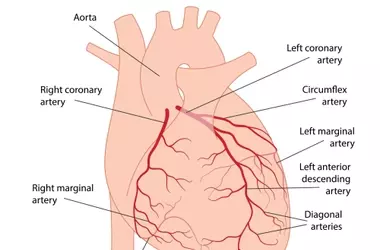
Understanding Coronary Artery Disease: A Comprehensive Scientific Overview
Human health is intricately tied to the efficient circulation of blood, which delivers oxygen and nutrients to every organ. At the center of this system is the heart, which requires its own dedicated blood supply to function.Coronary Artery Disease (CAD), also known as ischemic heart disease, occurs when the major blood vessels that supply the heart—the coronary arteries—become damaged or diseased, typically due to the buildup of plaque. This condition is a leading cause of cardiovascular events globally. This article provides a neutral, science-based exploration of the condition. The discussion begins with the fundamental anatomy of the heart's blood supply, details the biological progression of arterial narrowing, presents an objective overview of management modalities, and outlines current global data. By navigating from basic physiological concepts to a practical Q&A, this resource serves as an informative guide for understanding the mechanisms and implications of heart health.
 Di Sakura Watanabe