 Breaking News & Live Updates
- Breaking News & Live Updates
- Breaking News & Live Updates
- Breaking News & Live Updates
- Breaking News & Live Updates
- Breaking News & Live Updates
- Breaking News & Live Updates
- Breaking News & Live Updates
- Breaking News & Live Updates
- Breaking News & Live Updates
Inflammation's Impact on Depression's Anhedonia
A recent scientific inquiry has brought to light a significant correlation between widespread inflammation within the body and the symptom of anhedonia, a diminished capacity to experience pleasure, among individuals grappling with major depressive disorder (MDD). This groundbreaking investigation posits that those with MDD who possess heightened levels of inflammatory markers are inherently more susceptible to experiencing intensified anhedonic responses when confronted with inflammatory stimuli. This revelation could potentially redefine our understanding of depression, pointing towards distinct biological subtypes and opening avenues for more personalized therapeutic approaches.
Pioneering Study Uncovers Inflammation's Role in Depressive Anhedonia
In an insightful exploration led by Dr. Jonathan Savitz, a distinguished researcher from the Laureate Institute for Brain Research (LIBR), a team of dedicated scientists meticulously examined the intricate interplay between systemic inflammation and the manifestations of major depression. The central query guiding their investigation revolved around whether MDD patients, differentiated by their inflammatory status, would exhibit varied reactions to an acute inflammatory challenge, particularly concerning anhedonia. This critical study, published in a leading psychiatric journal, involved a carefully selected cohort of 68 MDD patients, 64 of whom provided data for the final analysis. Participants were engaged in a double-blinded experimental design, receiving either an intravenous infusion of Lipopolysaccharide (LPS), a substance known to induce a temporary acute immune response, or a placebo. A key differentiator among the participants was their baseline C-reactive protein (CRP) levels, a widely recognized inflammatory biomarker. Twenty-six individuals demonstrated elevated CRP levels, categorized as 'high,' while thirty-eight presented with 'low' CRP levels. Within each of these groups, an equal distribution received either LPS or the placebo, allowing for robust comparative analysis. The majority of participants were young adults, primarily in their late twenties or thirties, exhibiting moderate symptoms of major depressive disorder, with a notable proportion also experiencing co-occurring generalized anxiety disorder.

Throughout the study, comprehensive physiological and psychological assessments were conducted at predetermined intervals, including blood sampling for inflammatory markers such as IL-6, IL-10, and TNF, alongside self-reported anhedonia symptom evaluations. The most compelling findings emerged approximately 1.5 hours post-infusion, particularly among those who received the immune-activating LPS. The analysis unequivocally demonstrated a significantly greater increase in both anhedonia symptoms and IL-6 levels in the high-CRP group compared to their low-CRP counterparts. This observed increase in anhedonia scores in the high-CRP group was twofold greater than in the low-CRP group, strongly suggesting a heightened biological responsiveness to inflammatory triggers among individuals with elevated systemic inflammation. The research team thoughtfully concluded that these findings imply a biological predisposition in depressed individuals with high systemic inflammation to react more intensely to inflammatory stimuli, with this reaction being perceptibly reflected in an exacerbated experience of anhedonia.
From a journalist's perspective, these findings are nothing short of transformative. This research not only reinforces the long-held hypothesis linking anhedonia to inflammation but also offers a compelling argument for the existence of distinct depression subtypes. The identification of a 'mechanistic link' between anhedonia and inflammation provides a crucial piece of the puzzle in understanding the complex etiology of major depressive disorder. It strongly suggests that future clinical trials for anti-inflammatory treatments targeting depression should consider stratifying participants based on their inflammatory status. Moreover, this study casts a spotlight on the potential vulnerability of MDD patients with high CRP levels to infectious agents, underscoring the necessity for a more personalized and holistic approach to patient care. This groundbreaking work holds immense promise for developing more effective, tailored interventions for a significant portion of individuals suffering from depression, ultimately enhancing their quality of life and fostering a deeper understanding of the mind-body connection in mental health.
Other Articles
 Dec 07, 2025
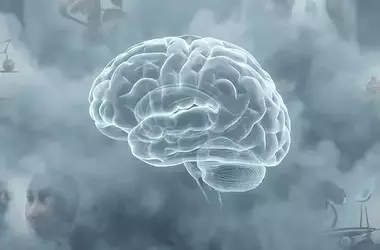
New Research Distinguishes Cognitive Disengagement Syndrome from ADHD in Youth
Recent studies in child psychology suggest that Cognitive Disengagement Syndrome (CDS), characterized by excessive daydreaming, mental confusion, and slow thinking, is a distinct condition separate from Attention-Deficit/Hyperactivity Disorder (ADHD). This research, published in the Journal of Attention Disorders, indicates that CDS presents unique developmental challenges from childhood to adolescence, with different emotional and social implications compared to ADHD. The findings emphasize the need for accurate diagnosis and tailored support.
 Dec 07, 2025
Nitrous Oxide: A New Hope for Treatment-Resistant Depression
A recent analysis suggests that nitrous oxide, commonly known as laughing gas, offers rapid relief for adults with severe depression, especially those resistant to conventional treatments. This comprehensive study, published in eBioMedicine, indicates its potential as a fast-acting alternative by targeting the glutamatergic system, a different pathway than traditional antidepressants. While effective, the benefits are often temporary, highlighting the need for further research into optimal dosing and long-term use.
 Dec 05, 2025
Horticultural Therapy: An Effective Approach to Alleviating Mental Health Symptoms
A recent comprehensive review and meta-analysis demonstrate the efficacy of Social and Therapeutic Horticulture (STH) in mitigating symptoms of depression and anxiety. The study highlights that structured gardening initiatives, when guided by qualified professionals, offer significant mental health advantages compared to conventional treatments. This research provides a strong foundation for integrating STH into broader healthcare strategies, emphasizing its potential as a sustainable and community-based intervention for mental well-being.
 Dec 05, 2025
Doxycycline May Reduce Schizophrenia Risk
A significant population-based study suggests that doxycycline, a commonly prescribed antibiotic, could lower the risk of schizophrenia in adolescents receiving mental health services. Analysis of over 56,000 young patients indicated a 30-35% reduced likelihood of developing schizophrenia for those treated with doxycycline. This protective effect is potentially attributed to the antibiotic's anti-inflammatory properties and its influence on synaptic pruning. These findings highlight a promising new avenue for preventing severe psychiatric disorders, though further clinical validation is required.
 Dec 05, 2025
AI Interviews Excel in Mental Health Diagnosis Compared to Traditional Scales
A recent study highlights the superior diagnostic accuracy of an AI assistant, Alba, in conducting psychiatric assessments. In a trial involving 303 individuals with confirmed mental health conditions, Alba utilized brief conversational interviews to provide DSM-based diagnostic suggestions. The AI system outperformed conventional mental health rating scales across eight out of nine disorders, demonstrating particular efficacy in differentiating between conditions with overlapping symptoms like depression and anxiety. Participants also reported highly positive interactions with the AI, describing it as empathetic and supportive, suggesting a promising future for AI in enhancing scalable and person-centered clinical assessments.
 Dec 05, 2025
Innovative Therapy Transforms Mental Images to Combat Psychosis
A novel therapy, iMAPS, shows promise in helping individuals with psychosis manage distressing mental images that contribute to paranoia and hallucinations. A feasibility study involving 45 participants demonstrated high engagement and significant reductions in psychological distress. Unlike conventional treatments, iMAPS directly targets intrusive mental imagery, empowering patients to reframe their perceptions of threat. This approach could offer a vital addition to existing psychosis interventions, with plans for a broader multi-site trial underway.