 Breaking News & Live Updates
- Breaking News & Live Updates
- Breaking News & Live Updates
- Breaking News & Live Updates
- Breaking News & Live Updates
- Breaking News & Live Updates
- Breaking News & Live Updates
- Breaking News & Live Updates
- Breaking News & Live Updates
- Breaking News & Live Updates
High Blood Pressure: A Comprehensive Technical Overview

High blood pressure, medically known as hypertension, is a chronic physiological condition characterized by the persistent elevation of the force exerted by circulating blood against the arterial walls. This pressure is determined by the balance between the volume of blood the heart pumps and the degree of resistance encountered in the peripheral arteries. Often referred to as a "silent" condition due to its frequent lack of overt symptoms, hypertension is a primary risk factor for systemic cardiovascular dysfunction. This article provides a neutral, evidence-based exploration of the condition, answering fundamental questions regarding the mechanics of pressure measurement, the biochemical pathways of vascular resistance, the long-term impacts on organ systems, and the evolving landscape of clinical monitoring. The discussion follows a structured sequence from hemodynamic basics to complex regulatory mechanisms, offering an objective framework for understanding this prevalent health metric.

1. Basic Conceptual Analysis: Hemodynamics and Measurement
To understand high blood pressure, one must first analyze the physical principles of hemodynamics—the study of blood flow through the circulatory system.
The Components of a Reading
Blood pressure is recorded using two numerical values, typically measured in millimeters of mercury (mmHg):
- Systolic Pressure: The higher number, representing the pressure in the arteries when the heart muscle contracts (beats).
- Diastolic Pressure: The lower number, representing the pressure in the arteries when the heart muscle rests between beats.
Classification Standards
According to the American Heart Association (AHA) and the American College of Cardiology (ACC), blood pressure categories are standardized to facilitate clinical evaluation:
- Normal: Less than 120/80 mmHg.
- Elevated: Systolic between 120–129 and diastolic less than 80.
- Hypertension Stage 1: Systolic 130–139 or diastolic 80–89.
- Hypertension Stage 2: Systolic 140 or higher or diastolic 90 or higher.
2. Core Mechanisms: Vascular Resistance and Fluid Regulation
The elevation of blood pressure is rarely the result of a single factor; rather, it involves the interplay of the nervous system, the kidneys, and the blood vessels.
The Renin-Angiotensin-Aldosterone System (RAAS)
The RAAS is a primary hormonal cascade that regulates long-term blood pressure. When blood pressure drops or sodium levels decrease, the kidneys release the enzyme renin.
- Enzymatic Chain: Renin triggers the production of Angiotensin I, which is converted to Angiotensin II.
- Vasoconstriction: Angiotensin II causes the smooth muscles of the blood vessels to constrict (narrow), immediately increasing resistance and pressure.
- Fluid Retention: Angiotensin II also stimulates the release of aldosterone, which prompts the kidneys to retain sodium and water, increasing the total volume of blood in the system.
Shutterstock
The Role of the Sympathetic Nervous System
The autonomic nervous system provides rapid, short-term adjustments to blood pressure. In response to perceived physiological needs, it releases norepinephrine and epinephrine, which increase heart rate and prompt peripheral vasoconstriction. Persistent overactivity in this system is a recognized contributor to the development of chronic hypertension.
Endothelial Dysfunction
The endothelium is the inner lining of the blood vessels. It produces nitric oxide, a molecule that signals the vessels to relax (vasodilation). In individuals with hypertension, the endothelium often fails to produce sufficient nitric oxide, leading to a state of permanent "stiffness" or constriction in the arterial tree.
3. Presenting the Full Picture: Systemic Impact and Clinical Discussion
Hypertension exerts a cumulative mechanical strain on the body, affecting several vital organs over time.
Target Organ Damage
- The Heart: Increased resistance requires the heart to pump with greater force. This can lead to left ventricular hypertrophy (thickening of the heart muscle), which eventually reduces the heart's pumping efficiency.
- The Brain: High pressure can damage the small, delicate blood vessels in the brain or contribute to the buildup of plaque in the carotid arteries, influencing the risk of ischemic or hemorrhagic events.
- The Kidneys: The kidneys act as both a regulator and a victim of blood pressure. High pressure damages the glomeruli (filtering units), leading to impaired waste removal and further hormonal imbalances.
- The Eyes: Retinopathy occurs when the high-pressure flow damages the tiny vessels of the retina, potentially affecting visual acuity.
Comparative Discussion: Primary vs. Secondary Hypertension
| Feature | Primary (Essential) Hypertension | Secondary Hypertension |
| Prevalence | Approximately 90–95% of cases | Approximately 5–10% of cases |
| Cause | No single identifiable cause (Multifactorial) | Caused by an underlying condition (e.g., kidney disease) |
| Onset | Gradual, often over many years | Rapid, often higher pressure levels |
| Factors | Genetics, age, and dietary patterns | Specific medical or hormonal triggers |
Objective Discussion on Risk Factors
Data from the World Health Organization (WHO) suggests that hypertension affects an estimated 1.28 billion people worldwide. Key non-modifiable risk factors include genetics and age, while modifiable factors include high sodium intake, insufficient potassium intake, and physical inactivity.
4. Summary and Future Outlook
Hypertension is a complex, systemic condition that serves as a primary indicator of cardiovascular health. While it is often asymptomatic, its mechanical impact on the arterial system necessitates consistent monitoring.
Future Directions in Research:
- Cuffless Monitoring: Development of wearable sensors and optical technologies that can track blood pressure continuously without the need for an inflatable arm cuff.
- Microbiome Modulation: Investigating how gut bacteria influence systemic inflammation and vascular tone, potentially offering new pathways for blood pressure regulation.
- Gene-Environment Interactions: Using "big data" to understand why certain populations are more susceptible to salt-sensitive hypertension.
- Renal Denervation: Refining minimally invasive procedures that use radiofrequency energy to dampen overactive nerves in the kidneys, targeting the source of hormonal imbalances.
5. Q&A: Clarifying Common Technical Inquiries
Q: Why is high blood pressure often called a "silent" condition?
A: Most individuals with hypertension do not experience headaches, dizziness, or shortness of breath. The physiological damage to the heart and arteries occurs slowly over years, often remaining undetected until a secondary cardiovascular event occurs or it is caught during a routine clinical screening.
Q: What is the "White Coat Effect"?
A: This refers to a temporary spike in blood pressure that occurs in a clinical setting due to the anxiety of the environment. To differentiate this from chronic hypertension, providers often utilize Ambulatory Blood Pressure Monitoring (ABPM), where a device records measurements every 20-30 minutes over a 24-hour period in the individual's normal environment.
Q: How does salt intake influence blood pressure?
A: Sodium holds onto water in the bloodstream. High sodium levels increase the volume of blood, which in turn increases the pressure against arterial walls. Furthermore, excessive sodium can impair the ability of blood vessels to relax.
Q: Is a single high reading enough for a diagnosis?
A: No. Because blood pressure fluctuates based on activity, stress, and hydration, clinical standards usually require at least two to three elevated readings on separate occasions before a formal identification of hypertension is made.
This article provides informational content regarding the physiological and regulatory aspects of high blood pressure. For specific clinical assessment, diagnostic data, or individualized health plans, consultation with a licensed healthcare professional is essential.

Other Articles
 Dec 24, 2025
Type 2 Diabetes: A Comprehensive Technical Overview
Type 2 Diabetes Mellitus (T2DM) is a chronic metabolic disorder characterized by persistent hyperglycemia—elevated blood glucose levels—resulting from a combination of insulin resistance and inadequate insulin secretion. Unlike Type 1 diabetes, which involves an absolute deficiency of insulin, Type 2 diabetes is defined by the body's inability to effectively utilize the insulin it produces. This article provides a neutral, evidence-based exploration of the condition, answering fundamental questions regarding its physiological origins, the biochemical mechanisms of glucose regulation, the long-term systemic impacts, and the current landscape of clinical management. The discussion follows a structured path from basic cellular concepts to complex metabolic interactions, providing an objective framework for understanding this global health challenge.
 By Dr. Luis Herrera
 Dec 22, 2025
Understanding Alzheimer’s Disease: A Comprehensive Scientific Overview
Alzheimer’s disease is a progressive neurological disorder that leads to the atrophy (shrinking) of the brain and the gradual deaths of brain cells. It is the most common cause of dementia—a continuous decline in thinking, behavioral, and social skills that affects a person's ability to function independently. This article provides a neutral, evidence-based exploration of the condition, aimed at clarifying its biological foundations and the current medical landscape. The following sections will define the basic characteristics of the disease, explain the microscopic changes occurring within the brain, present the clinical stages and management strategies, and conclude with a look toward future research. By examining these areas, the objective is to provide a clear understanding of the challenges posed by this condition and the scientific efforts directed toward managing it.
 By Dr. Anna Müller
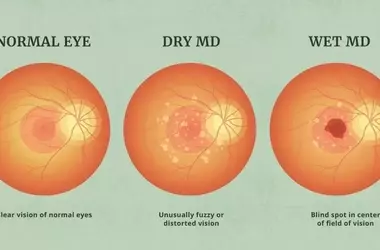 Dec 22, 2025
Understanding Macular Degeneration Treatment: A Comprehensive Clinical Overview
The macula is a small but vital area located at the center of the retina, responsible for sharp, detailed, and color vision. When the cells in this region become damaged or deteriorate—a condition often associated with aging known as Age-Related Macular Degeneration (AMD)—central vision can become blurred or lost. Macular disease treatment refers to a range of medical interventions designed to slow the progression of cell damage, stabilize vision, and in some cases, suppress the growth of abnormal blood vessels. This article provides a neutral, evidence-based exploration of the current therapeutic landscape. It will clarify the foundational biological causes of macular damage, explain the mechanisms of pharmacological and laser-based therapies, and provide an objective discussion of clinical outcomes. By navigating through the progression from diagnostic classification to future medical prospects, this overview aims to deliver a clear understanding of how these interventions function to preserve visual health.
 By Dr. Alejandro Ruiz