 Noticias de última hora y actualizaciones en vivo
- Noticias de última hora y actualizaciones en vivo
- Noticias de última hora y actualizaciones en vivo
- Noticias de última hora y actualizaciones en vivo
- Noticias de última hora y actualizaciones en vivo
- Noticias de última hora y actualizaciones en vivo
- Noticias de última hora y actualizaciones en vivo
- Noticias de última hora y actualizaciones en vivo
- Noticias de última hora y actualizaciones en vivo
- Noticias de última hora y actualizaciones en vivo
Unlocking Your Dog's Potential: The Joy and Benefits of Trick Training
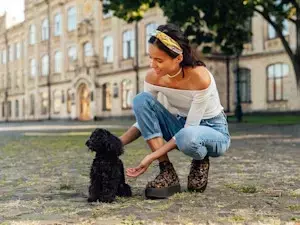
Engaging your canine companion in learning amusing tricks extends beyond mere entertainment, serving as a powerful method for enhancing their overall training and well-being. While some dog owners might initially view teaching 'tricks' as frivolous, these activities are, in fact, incredibly beneficial, offering practical applications in daily life that go far beyond basic obedience commands like 'sit,' 'come,' and 'stay'. Such playful exercises contribute significantly to a dog's mental stimulation and physical agility.
Moreover, mastering these seemingly simple actions can profoundly impact a dog's confidence, especially when navigating unfamiliar environments or coping with overexcitement. When faced with anxiety, dogs often freeze; however, by prompting a familiar trick, owners can effectively redirect their dog's attention, shifting them from a state of paralysis to active engagement. This method proves invaluable in scenarios where a dog might become overly focused or reactive, such as encountering another dog, by providing an alternative, positive behavior to reinforce. Three fundamental tricks—'touch,' 'spin in a circle,' and 'shake a paw'—are particularly effective for dogs of all ages, offering a structured yet enjoyable path to improved behavior and a stronger bond between pet and owner.
To teach the 'touch' command, begin by holding your open hand near your dog's nose, rewarding them with a treat and praise as soon as they make contact. Gradually increase the distance and introduce the verbal cue 'touch,' encouraging your dog to actively seek out your hand. For 'spin in a circle,' use a treat to guide your dog's nose in a circular motion, rewarding them upon completion, ensuring the treat is held at nose level to prevent jumping. Finally, to teach 'shake a paw,' present a closed fist with a treat inside; ignore licking but reward any pawing at your hand, eventually transitioning to an open palm and the verbal cue 'shake.' These steps, practiced consistently, will equip both you and your dog with new skills and strengthen your shared experiences.
Embracing trick training enriches the lives of both dogs and their human companions by fostering a more confident, focused, and adaptable pet. These interactive exercises build a foundation for improved communication and trust, ensuring that every moment spent together is fulfilling and joyful. The journey of learning new skills opens up a world of positive interaction and mutual understanding, reflecting the boundless potential within every dog to learn, grow, and thrive alongside their devoted owners.
Otros artículos
 Jan 13, 2026
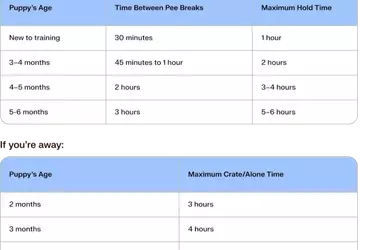
Mastering Puppy Potty Training: A Comprehensive Guide
Bringing a new puppy home is an exciting experience, but it comes with responsibilities, notably potty training. This guide offers essential strategies for effectively house-training your new canine companion, focusing on patience, consistency, and positive reinforcement. Discover techniques to prevent accidents, establish routines, and foster clear communication with your puppy, ensuring a smoother and more successful training journey for both of you.
 Jan 13, 2026
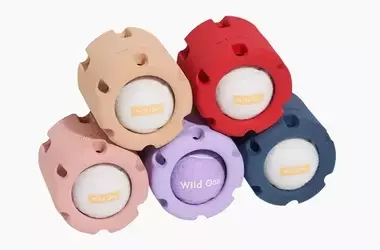
The Revolutionary Tennis Tumble: A Lifesaver for Energetic Dogs and Remote Workers
Discover how the Wild One Tennis Tumble, a simple yet ingenious dog puzzle toy, offers a much-needed solution for pet parents working from home. Designed to engage medium to large breeds, this durable, soft-plastic toy keeps active dogs like Harper entertained for hours, fostering focus for both pets and their remote-working owners.
 Jan 13, 2026
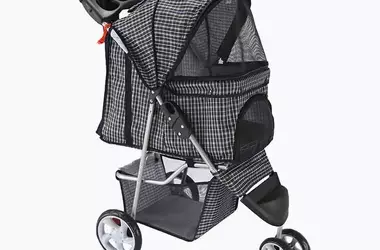
Guiding Your Canine Companion to Stroller Comfort: A Comprehensive Training Manual
As dogs age, their mobility may decline due to various health conditions. This article offers a comprehensive guide on how to introduce and train your beloved canine to use a pet stroller, ensuring they can still enjoy outdoor adventures and mental stimulation. With patience, positive reinforcement, and a gradual approach, most dogs can learn to love their new mode of transport. The guide also provides recommendations for different types of dog strollers, catering to various needs and activities.
 Jan 13, 2026
Choosing the Best Training Treats for Your Canine Companion
Discover the art of selecting the perfect training treats for your dog, with insights from certified dog behaviorist Lauren Novack. This guide explores low, medium, and high-value treats, offering tailored recommendations for puppies, small, medium, and large dogs, as well as options for sensitive stomachs and weight management. Learn how to maximize your training efforts with the right motivational rewards, ensuring both effectiveness and your dog's well-being.
 Jan 13, 2026
Transforming Dog Training Through Mindful Language
This article explores how the language we use to describe our dogs significantly impacts our training effectiveness and the bond we share. It identifies common, unhelpful terms used by pet owners and trainers, such as 'stubborn,' 'disobedient,' 'untrainable,' and 'pack leader.' By replacing these outdated or inaccurate phrases with more empathetic and constructive alternatives, owners can foster clearer communication, build stronger relationships, and enhance the overall training experience.
 Jan 13, 2026
Unlocking the Mystery of Canine Geniuses: What Makes Some Dogs Exceptionally Smart?
A recent study delves into the fascinating world of 'Gifted Word Learner' (GWL) dogs, exploring how some can astonishingly learn the names of numerous toys. Researchers embarked on a quest to understand the common traits among these intellectually gifted canines, examining their backgrounds, training, and environments. The findings suggest that while certain breeds show a higher propensity, a dog's genius might be an inherent, spontaneous trait rather than a product of intentional training.