 Noticias de última hora y actualizaciones en vivo
- Noticias de última hora y actualizaciones en vivo
- Noticias de última hora y actualizaciones en vivo
- Noticias de última hora y actualizaciones en vivo
- Noticias de última hora y actualizaciones en vivo
- Noticias de última hora y actualizaciones en vivo
- Noticias de última hora y actualizaciones en vivo
- Noticias de última hora y actualizaciones en vivo
- Noticias de última hora y actualizaciones en vivo
- Noticias de última hora y actualizaciones en vivo
Bringing Home a Rescue: A Guide to Integrating Your New Canine Companion
Bringing a rescue dog into your home is a rewarding journey that requires understanding and patience. This comprehensive guide, informed by expert dog behavior consultants, provides new pet parents with essential insights into the adjustment period for shelter dogs. It covers recognizing and addressing potential behavioral patterns, establishing a harmonious environment, and fostering a strong bond from day one. By prioritizing your dog's comfort and emotional well-being, you can successfully integrate them into your family and ensure a smooth transition for everyone.
Successfully welcoming a rescue dog into your home involves careful consideration of their past experiences and individual needs. This article offers practical strategies for navigating the initial weeks and months, highlighting the importance of clear communication through body language, creating a secure and predictable routine, and gradually expanding their world. With expert tips on managing common challenges and building positive associations, new owners can feel empowered to provide a loving and stable forever home, transforming a potentially stressful situation into a joyful partnership.
Understanding Your New Companion's Behavior
Integrating a shelter dog into a new home often presents unique behavioral considerations, many of which stem from their previous experiences and the stress of transition. While some rescue dogs may exhibit challenging behaviors initially, these are rarely random and can often be addressed with understanding and appropriate training. It's crucial for new pet parents to recognize that a dog's demeanor can evolve over time as they acclimate to their new surroundings and feel more secure. Expert dog behavior consultants emphasize that many behavioral issues in shelter dogs are a result of past trauma or a lack of consistent training, rather than an inherent disposition. By learning to interpret subtle cues and implementing early intervention strategies, owners can prevent these behaviors from escalating into ingrained habits. Understanding the nuances of canine communication is paramount to building a trusting relationship and proactively managing any anxieties or fears your new dog may possess.
A key aspect of understanding your new dog is becoming fluent in their body language, which serves as their primary form of communication. Dogs rarely exhibit aggression or fear without prior warning signals. Certified dog behavior consultant Laurie Lawless highlights the importance of recognizing signs of stress or discomfort, such as a low, stiff posture, shaking, excessive lip-licking, or pinned-back ears. Emily Scott, another accredited dog trainer, echoes this sentiment, referring to body language as a critical "barometer" for assessing a dog's comfort levels. Being attuned to these non-verbal cues allows owners to intervene before a situation escalates, providing comfort and reassurance. The initial weeks may also reveal specific sensitivities, such as wariness around certain family members or difficulties with house-training due to unfamiliarity with the new environment. Patience and a non-punitive approach are vital during this period, acknowledging that these temporary regressions are a natural part of the adjustment process and will improve with consistency and positive reinforcement.
Creating a Harmonious Home Environment
Establishing a harmonious home environment is fundamental to helping your newly adopted shelter dog feel safe, secure, and integrated into your family. This process involves not only being flexible and understanding of their initial reactions but also proactively setting up a structure that promotes their well-being. Experts suggest that rather than immediately overwhelming your new companion with new experiences, a gradual approach is far more beneficial. Many rescue dogs arrive with a history of stress from shelter life or previous neglect, making decompression a critical first step. Creating designated safe spaces within your home where they can retreat and feel protected is essential, allowing them to acclimate at their own pace without feeling forced into interactions. This thoughtful preparation, combined with consistent routines, lays the groundwork for a confident and well-adjusted dog, paving the way for a strong and lasting bond.
The creation of a harmonious home for a rescue dog involves several practical steps. Firstly, flexibility is key; new owners should resist the urge to immediately introduce their dog to a multitude of new people or places. Laurie Lawless advises a slower approach, acknowledging that dogs need time to decompress and process their new surroundings. Secondly, setting up designated safe spaces, such as a comfortable crate or a quiet corner with a bed, allows your dog to have a personal sanctuary. While you might have initial ideas for these areas, observing your dog's preferences and adjusting accordingly, as suggested by Emily Scott, is crucial for their comfort. Thirdly, establishing a predictable daily routine for feeding, walks, and playtime helps build confidence and a sense of security. Consistency in these activities allows your dog to understand expectations and reduces anxiety. Finally, if there are existing pets in the household, careful introductions with barriers and separate eating areas are essential to prevent conflict and foster healthy relationships. By meticulously planning and adapting to your dog's individual needs, you can transform your house into a true home for your new furry family member.
Otros artículos
 Jan 13, 2026
Comprehensive Guide to Puppy Training Essentials
This article offers an in-depth guide for new puppy parents on how to effectively train their young dogs. It covers crucial steps like puppy-proofing your home, employing positive reinforcement, teaching focus, mastering leash manners, ensuring recall, practicing 'stay' commands, and desensitizing them to handling. The piece emphasizes consistency and play in training, and explores the ideal age to start, while also addressing whether professional help is necessary.
Jan 13, 2026Comprehensive Guide to Training a Rescue Dog
Adopting a rescue dog, while rewarding, comes with unique challenges due to their unknown backgrounds. This guide emphasizes the importance of building a strong bond, establishing routines, and implementing effective training techniques like crate and potty training, alongside essential basic cues such as 'stay,' 'sit,' 'drop it,' and recall. It also highlights the benefits of professional obedience classes to navigate difficulties and ensure a successful integration into their new home.
Jan 13, 2026The Profound Impact of Pet Parenting Styles on Animal Behavior and Well-being
This article explores how pet parenting styles significantly influence the behavior and emotional health of dogs and cats, drawing parallels with human child-parent relationships. Scientific studies highlight the deep attachment pets form with their caregivers and demonstrate how different parenting approaches—authoritative, authoritarian, and permissive—lead to varied behavioral outcomes. It emphasizes the importance of positive reinforcement, consistent expectations, and understanding a pet's needs to foster a strong, confident, and healthy companion.
 Jan 12, 2026
Overcoming Canine Snow Aversion: Solutions for Winter Potty Breaks
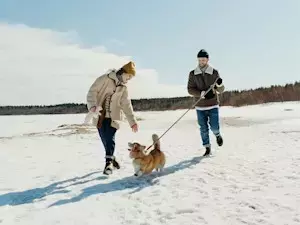
Winter weather, with its heavy snowfall and freezing temperatures, often poses a challenge for dog owners when it comes to their pets' potty habits. Many dogs develop an aversion to relieving themselves in the snow, leading to frustration for owners and discomfort for the animals. This article explores the reasons behind this behavior, from sensory discomfort to confusion about new surfaces, and provides practical tips to help dogs adapt and make winter outdoor excursions more manageable for both pets and their human companions.
 Jan 12, 2026
Unleashing Canine Superpowers: The Rise of Nose Work for Dogs
Nose work, a rapidly growing recreational sport, leverages dogs' extraordinary sense of smell for a fun and competitive activity. Developed in 2006 by experienced trainers, it allows dogs to locate hidden scents and alert their handlers. This sport offers significant physical and mental benefits, accommodates all dog types, and fosters a deeper bond between pets and their owners by emphasizing canine natural abilities.
 Jan 12, 2026
Common Dog Training Missteps and How to Avoid Them
Many dog owners unintentionally make training errors that can confuse their pets or hinder progress. Dogs are more attentive than we think and eager to please, but their human companions sometimes miscommunicate. This article, featuring insights from certified dog trainer Kim Roche and breeder Jamie Hansen, reveals seven common mistakes, such as repetitive calling and improper treat timing, offering practical advice to foster better behavior and a stronger bond between dogs and their owners.