 Noticias de última hora y actualizaciones en vivo
- Noticias de última hora y actualizaciones en vivo
- Noticias de última hora y actualizaciones en vivo
- Noticias de última hora y actualizaciones en vivo
- Noticias de última hora y actualizaciones en vivo
- Noticias de última hora y actualizaciones en vivo
- Noticias de última hora y actualizaciones en vivo
- Noticias de última hora y actualizaciones en vivo
- Noticias de última hora y actualizaciones en vivo
- Noticias de última hora y actualizaciones en vivo
Unleashing Canine Superpowers: The Rise of Nose Work for Dogs
Nose work, a burgeoning recreational activity, harnesses a dog's most potent natural ability—its olfactory prowess—transforming it into an engaging sport. This practice not only provides mental and physical stimulation for canines of all breeds and temperaments but also offers a unique opportunity for owners to deepen their understanding of their furry companions' instincts and communication. Through targeted scent detection, dogs learn to focus their innate tracking skills, fostering confidence and a relaxed demeanor, while handlers develop a keen eye for subtle canine cues, ultimately strengthening their bond.
The Fascinating World of Canine Scent Work: A Detailed Look
In the vibrant expanse of Southern California, specifically in 2006, a groundbreaking recreational sport known as K9 Nose Work® was conceptualized and brought to fruition by a trio of esteemed professionals: Amy Herot, Jill Marie O’Brien, and Ron Gaunt. These individuals, all highly experienced trainers and handlers renowned for their expertise with certified detection dogs, recognized the profound satisfaction and calm their working dogs exhibited post-search. Inspired by this, they sought to extend these benefits to companion animals, enabling them to also experience the joy and fulfillment of engaging their superior olfactory capabilities.
Nose work, at its core, is a sophisticated game of hide-and-seek, where the canine's mission is to pinpoint a concealed target odor and signal its exact location to their human partner. This activity ingeniously reverses the traditional roles, placing the dog in the position of teacher, guiding the human to trust its unparalleled sense of smell. A remarkable aspect of this sport is its inclusivity; it welcomes dogs of every size, breed, and temperament. Whether a sprightly puppy, a high-energy sport dog, a gentle senior, or a dog with physical or social challenges, all can thrive. As Herot aptly states, a key advantage is that no prior specialized skills are required from the handler, making it accessible to anyone eager to participate. The training provides a positive outlet, allowing dogs to channel their energy and innate hunting instincts constructively, leading to improved physical fitness and intense mental engagement. Owners, in turn, gain an invaluable education in canine behavior, learning to interpret the subtle nuances of their dog's body language, thereby fostering a deeper, more empathetic connection.
What truly sets nose work apart from conventional obedience classes is its tailored approach to learning. Unlike group settings where dogs might feel overwhelmed or anxious, nose work sessions are conducted individually. This one-on-one environment allows dogs, especially those with behavioral complexities, to concentrate fully and absorb new information without distractions. The absence of social pressure enables both dog and handler to focus entirely on the task, fostering a unique dynamic where traditionally “uncivilized” behaviors, such as enthusiastic pulling or playful leaps, are not only tolerated but encouraged as vital components of the drive-building process. This distinctive training methodology, adaptable for both beginners and competitive participants, requires minimal space and equipment, embodying the thrill of exploration and the rewarding nature of pursuit. Beginners typically start by encouraging their dogs to locate hidden treats or toys in open boxes, gradually increasing the difficulty by varying environmental factors and hiding spots. The ultimate goal is for the dog to associate a specific target odor with a reward, eventually signaling its discovery to the handler. For those seeking a competitive edge, the National Association of Canine Scent Work (NACSW) sanctions trials where dogs can earn titles by passing Odor Recognition Tests (ORTs) and competing in various search elements, including box drills, interior building searches, exterior area searches, and vehicle searches. Through nose work, pet parents learn to wholeheartedly trust their dogs, recognizing them as adept guides and teachers, and gaining profound insights into how their canine companions perceive and interact with the world.
This innovative approach to canine engagement profoundly enriches the relationship between dogs and their owners. By valuing and developing a dog's inherent capabilities, nose work transcends mere training; it fosters mutual respect and understanding. It serves as a powerful reminder of the hidden depths within our animal companions and encourages us to observe, learn, and connect with them on a more instinctive level. The joy derived from witnessing a dog confidently utilize its natural gifts, and the shared sense of accomplishment, truly underscore the transformative potential of this remarkable sport.
Otros artículos
 Jan 12, 2026
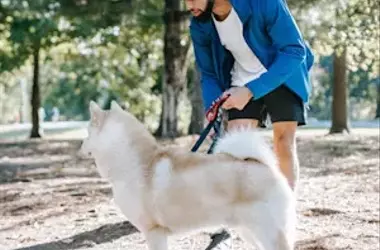
Common Dog Training Missteps and How to Avoid Them
Many dog owners unintentionally make training errors that can confuse their pets or hinder progress. Dogs are more attentive than we think and eager to please, but their human companions sometimes miscommunicate. This article, featuring insights from certified dog trainer Kim Roche and breeder Jamie Hansen, reveals seven common mistakes, such as repetitive calling and improper treat timing, offering practical advice to foster better behavior and a stronger bond between dogs and their owners.
 Jan 12, 2026
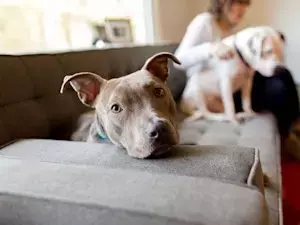
Understanding Emotional Support Animals: Rights and Restrictions
Emotional Support Animals (ESAs) offer comfort and assistance to individuals managing mental health conditions. While they provide significant benefits, it's crucial to understand their legal standing and the distinction between ESAs and service animals, particularly concerning access rights in various public and private settings. This article outlines where ESAs are typically welcomed and where restrictions may apply, helping owners navigate their responsibilities.
 Jan 12, 2026
The Benefits of Dog Training: Enhancing Canine Happiness and Life Experience
Many pet owners find the antics of an unruly dog endearing, but a lack of boundaries can actually limit a dog's experiences. This article highlights how proper training and setting clear expectations can significantly improve a dog's happiness and open up a wider range of activities, from off-leash adventures to social events and stronger human-canine bonds. It challenges the notion that wildness equates to freedom, arguing that discipline fosters a richer, more fulfilling life for our beloved companions.
 Jan 12, 2026
The Influence of Pet Parenting Styles on Canine Behavior
A recent study published in "Animal Cognition" investigated the profound impact of pet parenting styles on dogs' attachment, sociability, and problem-solving abilities. Mirroring human child development, the research revealed that an owner's approach to raising their dog significantly shapes the animal's personality and cognitive skills. This highlights the critical role of responsive and engaged pet care in fostering well-adjusted and resilient canines.
 Jan 12, 2026
Teaching Your Canine Companion Human Names
This article explores an engaging method called "Family Circle" to teach dogs to recognize human names. Many dogs naturally pick up on human names, but for those who haven't, this interactive game provides a fun and effective training approach. The method involves multiple people forming a circle and calling the dog to reinforce the association between names and individuals. This not only enhances a dog's cognitive skills but also strengthens the bond with their human family members, offering practical benefits like improved recall and mental stimulation.
 Jan 12, 2026
The Art of Canine Communication: Understanding Your Dog's Interpretation of Tone
Dogs are highly attuned to the nuances of human speech, particularly vocal tone. This article explores how pet owners can leverage this understanding to enhance training and strengthen their bond with their furry companions. It emphasizes that while dogs may not grasp every word, they interpret the emotion and intent behind our voices, influencing their behavior and emotional state. Effective communication with dogs involves conscious control over our tone, ensuring it's consistently positive and clear, especially during training.