 Breaking News & Live Updates
- Breaking News & Live Updates
- Breaking News & Live Updates
- Breaking News & Live Updates
- Breaking News & Live Updates
- Breaking News & Live Updates
- Breaking News & Live Updates
- Breaking News & Live Updates
- Breaking News & Live Updates
- Breaking News & Live Updates
Understanding Infertility Medications: A Comprehensive Scientific Overview

Infertility is a clinical condition defined by the inability to conceive after one year or more of regular, unprotected intercourse. It is a complex reproductive health issue that can stem from various physiological factors in both men and women. Infertility medications refer to a specialized category of pharmacological agents designed to regulate or stimulate reproductive hormones, improve the quality of gametes, or address underlying conditions that obstruct natural conception. This article provides a neutral, evidence-based exploration of these treatments, examining the hormonal pathways they target, the mechanical processes of ovulation induction, and an objective overview of the current clinical landscape. By following a structured path from foundational concepts to therapeutic mechanisms, this discussion clarifies the role of pharmaceutical intervention in reproductive medicine.
Basic Concepts and Classification
To understand infertility medications, it is essential to recognize the role of the endocrine system—the body's chemical messaging network—in reproduction. These medications primarily function by mimicking or modulating the hormones naturally produced by the hypothalamus, pituitary gland, and gonads (ovaries and testes).
Infertility medications are generally classified based on their physiological targets:
- Ovulation Inductors: These are used to stimulate the ovaries to produce and release eggs. They are often the first line of treatment for individuals with irregular cycles or polycystic ovary syndrome (PCOS).
- Gonadotropins: These are injectable medications that contain follicle-stimulating hormone (FSH) and luteinizing hormone (LH). They act directly on the ovaries to stimulate the development of multiple follicles.
- Hormone Suppressants: Medications used to prevent premature ovulation during assisted reproductive technologies like IVF.
- Androgen Modulators: Used primarily in male factor infertility to balance testosterone levels or improve sperm production and motility.
Core Mechanisms: How Infertility Drug Function
The biological success of these medications relies on the manipulation of the feedback loops that govern the reproductive cycle.
1. Modulation of Estrogen Perception
One of the most common mechanisms involves blocking estrogen receptors in the brain. When the hypothalamus perceives "low" estrogen levels, it responds by increasing the production of Gonadotropin-Releasing Hormone (GnRH). This, in turn, signals the pituitary gland to release more FSH.
- Example: Clomiphene citrate works through this "trickery" mechanism, prompting the body to naturally stimulate follicle growth.
2. Direct Follicle Stimulation
Unlike oral medications that signal the brain, injectable gonadotropins bypass the brain and act directly on the ovaries. This mechanism allows for a more potent response, often used when oral medications fail or when multiple eggs are needed for procedures such as In-Vitro Fertilization (IVF).
3. Triggering the "LH Surge"
For conception to occur, the egg must be released from the follicle. Some medications mimic the natural surge of Luteinizing Hormone (LH). This chemical signal triggers the final maturation of the egg and its release (ovulation) within a precise window, typically 36 hours after administration.
Presentation of the Therapeutic Landscape
The application of infertility medications is highly individualized, depending on the diagnostic findings such as hormone levels, tubal patency, and sperm analysis.
Comparison of Common Infertility Medication Categories
| Medication Class | Method of Delivery | Primary Function | Typical Use Case |
| Oral Ovulation Inductors | Pill | Stimulate FSH production | PCOS, irregular ovulation |
| Gonadotropins | Subcutaneous Injection | Direct follicle growth | IVF, IUI, unexplained infertility |
| hCG (Human Chorionic Gonadotropin) | Injection | Triggering egg release | Precise timing of ovulation |
| Progesterone Support | Gel, Suppository, or Injection | Preparing the uterine lining | Post-ovulation support, IVF |
| Dopamine Agonists | Pill | Lowering prolactin levels | Ovulation issues due to high prolactin |
The Clinical Management Cycle
- Baseline Screening: Ultrasound and blood tests are conducted on the second or third day of the menstrual cycle to ensure the ovaries are in a resting state.
- Stimulation Phase: Medications are administered over 5 to 12 days. Monitoring via ultrasound tracks the number and size of developing follicles.
- The Trigger: Once follicles reach a specific diameter (usually 18–20mm), a trigger medication is administered.
- Luteal Support: Progesterone is often provided to ensure the endometrium is receptive to an embryo.
Objective Discussion and Evidence
The efficacy of infertility medications is supported by decades of clinical data, yet the results are influenced by age, underlying pathology, and lifestyle factors.
- Clinical Efficacy: According to data from the Centers for Disease Control and Prevention (CDC), medications combined with other techniques significantly increase the probability of pregnancy compared to no intervention. For example, oral ovulation inductors lead to ovulation in approximately 70% to 80% of patients, with a cumulative pregnancy rate of about 30% to 40% after several cycles.
- Multiple Gestation Risk: An objective reality of infertility medications is the increased risk of multiple births (twins, triplets). When multiple follicles are stimulated, the probability of more than one egg being fertilized increases. Clinical protocols now prioritize "low and slow" dosing to minimize this risk.
- Safety and Side Effects: Common side effects include bloating, mood swings, and localized injection site reactions. A more serious but rare condition is Ovarian Hyperstimulation Syndrome (OHSS), where the ovaries become swollen and painful. Statistics show that severe OHSS occurs in less than 1% to 2% of patients undergoing stimulation.
- Age as a Variable: Evidence consistently shows that the effectiveness of these medications declines as maternal age increases, primarily due to the natural reduction in oocyte (egg) quantity and quality.
Summary and Future Outlook
Infertility medications have transformed from basic hormonal extracts to highly purified, recombinant DNA products. The focus has shifted from "maximum stimulation" to "optimal stimulation," emphasizing the health of the individual and the safety of the pregnancy.
Future developments in the field are focused on:
- Personalized Pharmacogenomics: Using genetic testing to predict how an individual will respond to specific doses, thereby reducing side effects and improving success rates.
- Long-acting Gonadotropins: Developing formulations that require fewer injections during a treatment cycle, improving patient comfort and adherence.
- Non-Hormonal Targets: Researching medications that target specific proteins within the egg or sperm to improve quality without significantly altering the body’s systemic hormones.
Question and Answer Section
Q: Do infertility drug cause cancer?
A: Extensive long-term studies have been conducted on this topic. Current evidence from large-scale population studies suggests no significant link between the use of ovulation-inducing drug and an increased risk of breast or ovarian cancer.
Q: How long can someone safely take these medications?
A: Clinical guidelines typically limit the use of specific oral medications, like clomiphene, to 6 to 12 cycles. If conception does not occur within this timeframe, specialists usually recommend moving to different classes of medication or assisted reproductive technologies.
Q: Can these drug fix male infertility?
A: Yes, in specific cases. If male infertility is caused by hormonal imbalances (such as low gonadotropin levels), the same medications used to stimulate ovaries can be used to stimulate sperm production in the testes. However, this does not address structural issues or genetic factors.
Q: Are the results immediate?
A: While these medications work on the current cycle, they do not guarantee immediate conception. The process often requires several cycles of dose adjustment to find the optimal response for a specific individual.
References

Other Articles
 Dec 22, 2025
Understanding Migraine Medications: A Comprehensive Scientific Overview
Migraine is a complex neurological condition characterized by recurrent, pulsating headaches that are often accompanied by sensitivity to light, sound, and nausea. Unlike standard tension headaches, migraines involve specific chemical and vascular changes within the brain. Migraine medications refer to a broad category of pharmacological agents designed to either stop an active attack or reduce the frequency and severity of future episodes. This article provides a neutral, evidence-based examination of these treatments, exploring the biological pathways of migraine, the specific mechanisms of drug action, and the clinical landscape of modern therapy. By progressing from foundational concepts to advanced pharmacological mechanisms, this overview aims to clarify how these interventions interact with the nervous system to manage this chronic condition.
 By Daniel Brooks
 Dec 22, 2025
Understanding AGA Treatment Drug: A Comprehensive Scientific Overview
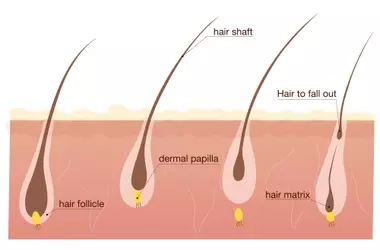
Androgenetic Alopecia, commonly referred to as AGA, is a genetically determined condition characterized by the progressive thinning of hair in a defined pattern. It is the most prevalent cause of hair loss worldwide, affecting both men and women, though the clinical presentation often differs between the sexes. AGA treatment drug refer to pharmacological interventions specifically designed to interfere with the biological pathways responsible for follicle miniaturization. This article provides a neutral, evidence-based examination of the primary medications used to manage this condition. The subsequent sections will clarify the hormonal foundations of hair loss, detail the mechanisms by which these drug operate, present an objective overview of the current therapeutic landscape, and address common questions regarding long-term application and safety.
 By Grace Nwoye, MPH
 Dec 22, 2025
Narcolepsy Medication: Understanding Treatment Options for a Chronic Sleep Disorder
In the complex landscape of sleep medicine, certain conditions require specialized approaches to manage their symptoms effectively. Among these, narcolepsy stands out as a neurological condition with significant impacts on daily functioning, and its management often involves specific pharmacological interventions. This article provides a neutral, factual overview of narcolepsy medication, exploring its purpose, mechanisms, and role in the treatment of this chronic sleep disorder. The discussion will follow a structured approach: first clarifying fundamental concepts, then examining the underlying mechanisms of these medications, followed by an objective assessment of their applications, a summary of current practices, and finally, addressing common questions about this treatment approach.
 By Dr. Marcus Lee