 Breaking News & Live Updates
- Breaking News & Live Updates
- Breaking News & Live Updates
- Breaking News & Live Updates
- Breaking News & Live Updates
- Breaking News & Live Updates
- Breaking News & Live Updates
- Breaking News & Live Updates
- Breaking News & Live Updates
- Breaking News & Live Updates
understanding Breast Pumps: A Comprehensive Scientific Overview

In the field of maternal health and infant nutrition, breast milk is recognized as a complex biological fluid that provides essential nutrients and antibodies. A breast pump is a mechanical or electronic medical device used to extract milk from the mammary glands of a lactating person. These devices serve as a bridge, allowing for the storage of milk for later use, maintaining milk supply when the infant is not present, or relieving the discomfort of engorgement. This article offers a neutral, evidence-based exploration of breast pump technology. It clarifies the basic types of pumps available, explains the physiological and mechanical principles of milk expression, presents an objective comparison of different systems, and discusses future trends in lactation support. By providing a structured path from basic mechanisms to practical Q&A, this text serves as a factual resource for understanding how these devices interface with human physiology.
Basic Concepts and Classification
Breast pumps are designed to simulate the natural sucking action of an infant to stimulate milk let-down and collection. The core components usually include a breast shield (flange) that fits over the nipple, a pump mechanism that creates a vacuum, and a collection container.
These devices are generally classified into three main categories based on their operation and intended frequency of use:
- Manual Breast Pumps: Operated by hand or foot. These are lightweight, portable, and do not require electricity. They are typically used for occasional expression.
- Electric Breast Pumps: Powered by a motor that creates automatic suction. These can be single (one breast at a time) or double (both breasts simultaneously). They are designed for regular or daily use.
- Hospital-Grade (Multi-User) Pumps: High-powered, durable electric pumps designed with a closed system to prevent cross-contamination. These are used to initiate milk supply for premature infants or for those facing significant lactation challenges.
- Wearable (Hands-Free) Pumps: A subset of electric pumps that fit entirely inside a brassiere. These operate quietly and allow for movement during the expression process.
Core Mechanisms: The Science of Milk Expression
The operation of a breast pump is rooted in the biological "let-down reflex" and the mechanical application of negative pressure.
1. The Suction and Cycle Mechanism
Breast pumps do not "pull" milk out in a continuous stream. Instead, they mimic the rhythmic nursing of a baby.
- The Mechanism: The pump creates a vacuum (negative pressure) that draws the nipple into the tunnel of the flange, followed by a release of pressure.
- The Result: This rhythmic cycle of suction and release stimulates the nerves in the nipple, which signals the brain to release oxytocin and prolactin—the hormones responsible for milk production and ejection.
2. Stimulation and Expression Modes
Most modern electronic pumps utilize a two-phase pumping technology.
- Stimulation Phase: High speed with low suction levels. This mimics the fast, shallow sucks an infant uses initially to trigger the milk flow.
- Expression Phase: Slower speed with higher suction levels. This mimics the deep, steady drinking that occurs once the milk has started to flow.
3. Closed vs. Open Systems
- Closed System: Includes a physical barrier (a diaphragm) between the collection kit and the pump motor. This prevents milk from entering the tubing or the motor, reducing the risk of mold and bacterial growth.
- Open System: Does not have a barrier. While functional, milk or moisture can potentially enter the tubing, requiring more frequent cleaning and maintenance.
Presentation of the Clinical and Functional Landscape
The selection of a pump depends on the required frequency of use, the necessity for portability, and the specific physiological needs of the user.
Comparison of Breast Pump Technologies
| Feature | Manual Pump | Personal Electric Pump | Wearable Pump | Hospital-Grade Pump |
| Portability | Highest (No power) | Moderate | High (Battery) | Low (Heavy/Bulky) |
| Efficiency | Low | High | Moderate | Highest |
| Noise Level | Silent | Moderate | Low | Moderate |
| Common Use | Occasional travel | Full-time working | On-the-go use | Medical necessity |
| Cost Range | Lowest | Moderate | Higher | Highest (Often rented) |
Operational Protocols for Effectiveness
- Flange Sizing: The diameter of the breast shield tunnel is critical. An incorrectly sized flange can cause tissue damage or lead to incomplete milk removal, which can decrease long-term supply.
- Vacuum Strength: Research indicates that the highest comfortable suction setting—rather than the maximum possible setting—is most effective for milk expression. Excessive vacuum can cause pain, which inhibits the let-down reflex.
Objective Discussion and Evidence
Scientific data regarding breast pumps emphasizes their role in extending the duration of breastfeeding while highlighting the importance of hygiene and proper fit.
- Public Health Impact: According to the World Health Organization (WHO), exclusive breastfeeding for the first six months is a global health goal. Breast pumps are an objective tool that allows for continued milk provision when direct nursing is not possible due to employment or medical separation.
- Milk Volume Statistics: Data suggests that double pumping (both breasts at once) is significantly more efficient than single pumping. Studies show it can result in 18% more milk volume on average and milk with a higher energy content.
- Hygiene and Safety: The Centers for Disease Control and Prevention (CDC) provides strict guidelines for cleaning pump parts. Research indicates that breast milk can harbor bacteria if the pump parts are not disassembled, washed, and dried completely after every use.
- Maintenance of Supply: Clinical evidence shows that for parents of premature infants, using a high-frequency, hospital-grade pump within the first few hours of birth is critical for establishing a long-term milk supply.
Summary and Future Outlook
Breast pump technology is moving toward more discreet, "smart," and personalized systems. The goal is to make the process of milk expression as integrated into daily life as possible.
Future developments include:
- Smart App Integration: Pumps that track pumping duration and volume, providing data to lactation consultants for remote support.
- Bio-Sensors: Technology that can analyze the nutritional content of the milk in real-time as it is being pumped.
- Enhanced Comfort Materials: The use of liquid silicone and 3D-molding to create flanges that better mimic the compression of an infant's mouth rather than just using vacuum.
- Quiet-Motor Engineering: Further reduction of decibel levels in wearable pumps to ensure they can be used in public or professional settings without disruption.
Question and Answer Section
Q: Does pumping hurt?
A: Pumping should not be painful. If pain occurs, it is usually an objective indicator that the flange size is incorrect, the vacuum suction is set too high, or the nipple is not centered in the tunnel.
Q: Can a breast pump increase milk supply?
A: Yes. Because milk production is a "supply and demand" system, frequent and thorough removal of milk—whether by an infant or a pump—signals the body to produce more. "Power pumping" is a common technique used to mimic a cluster-feeding infant to boost supply.
Q: How long should a pumping session last?
A: Most clinical guidelines suggest 15 to 20 minutes per session. Pumping for significantly longer does not necessarily result in more milk and can cause tissue irritation.
Q: Are second-hand pumps safe to use?
A: For "open system" pumps, it is generally discouraged due to the risk of cross-contamination within the motor. "Closed system" pumps are safer for secondary use, provided that all "soft parts" (tubing, valves, and flanges) are replaced with new, sterile components.
References

Other Articles
 Dec 24, 2025
Understanding Nasal Irrigation Devices: A Comprehensive Scientific Overview
Maintaining upper respiratory health often involves addressing the buildup of irritants, allergens, and mucus within the nasal passages. A nasal irrigation device, commonly known as anasal washerorneti pot, is a tool designed to flush the nasal cavity with a saline solution. This process, known as nasal lavage, aims to physically clear the sinuses and improve the function of the nasal mucosa. The following discussion provides an objective examination of these devices, moving from their foundational concepts to the mechanical principles that drive fluid movement. The article will explore the different types of irrigation systems available, the physiological impact on the respiratory system, and the essential safety protocols established by global health organizations. By providing a structured overview, this text serves as an informative resource for understanding the role of nasal irrigation in modern hygiene and health maintenance.
 By Amina Ben Youssef
 Dec 24, 2025
Understanding Portable Oxygen Concentrators: A Comprehensive Scientific Overview
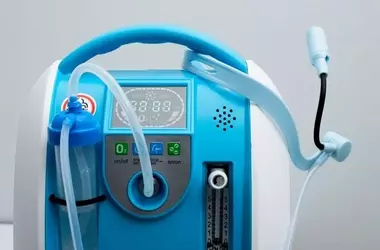
For individuals managing chronic respiratory conditions, maintaining mobility while ensuring adequate oxygen saturation is a critical component of daily life. APortable Oxygen Concentrator (POC)is a medical device designed to provide supplemental oxygen to users by concentrating the oxygen found in the surrounding ambient air. Unlike traditional oxygen tanks that store a fixed amount of pressurized gas, a POC utilizes advanced filtration technology to generate a continuous or pulsed supply of oxygen as long as a power source is available. This article provides a neutral, evidence-based examination of POC technology. It clarifies the distinction between medical-grade oxygen and room air, details the "Pressure Swing Adsorption" mechanism that drives these devices, presents an objective analysis of their clinical applications, and discusses future technological trajectories. By following a structured progression from mechanical foundations to practical Q&A, this overview serves as a factual resource for understanding how these devices function within the modern healthcare landscape.
 By Jonas Svensson
 Dec 24, 2025
Understanding Suction Machines: A Comprehensive Scientific Overview
Effective airway management is a critical component of medical care for individuals who cannot independently clear secretions from their respiratory tract. A suction machine, also known as anaspirator, is a medical device that uses negative pressure to remove obstructions—such as mucus, saliva, blood, or other fluids—from a person’s airway. This process is essential for maintaining a patent (open) airway and preventing complications like aspiration pneumonia or respiratory distress. The following discussion provides an objective examination of suction technology. It begins by defining the core types of suction devices, explores the mechanical principles of vacuum generation, outlines the clinical landscape of its application, and discusses the future of airway clearance technology. By following a structured path from basic mechanisms to professional Q&A, this article serves as a neutral resource for understanding the function and necessity of these devices in modern medicine.
 By Dr. Omar Haddad