 Breaking News & Live Updates
- Breaking News & Live Updates
- Breaking News & Live Updates
- Breaking News & Live Updates
- Breaking News & Live Updates
- Breaking News & Live Updates
- Breaking News & Live Updates
- Breaking News & Live Updates
- Breaking News & Live Updates
- Breaking News & Live Updates
Understanding Arthritis: A Comprehensive Scientific Overview

Arthritis is an umbrella term used to describe inflammation of one or more joints, encompassing over 100 different conditions that affect the musculoskeletal system. It is characterized by pain, swelling, stiffness, and reduced range of motion in the affected areas. While often perceived as a single ailment, arthritis represents a complex spectrum of disorders with diverse etiologies, ranging from mechanical wear and tear to systemic autoimmune responses.
This article provides an objective analysis of arthritis, addressing its fundamental biological structures, the distinct mechanisms behind its most common forms, the landscape of clinical diagnosis and management, and an outlook on future scientific research. Through this structured inquiry, the reader will gain an evidence-based understanding of the physiological factors that influence joint health.

1. Basic Conceptual Analysis: Joint Anatomy and Classification
To understand arthritis, it is necessary to examine the anatomy of a typical joint. A joint is the point where two or more bones meet, designed to facilitate movement while providing structural support.
Key Anatomical Structures
- Articular Cartilage: A firm, slippery tissue that covers the ends of bones, allowing them to glide over each other without friction.
- Synovium: A thin membrane that lines the joint capsule and secretes synovial fluid, which lubricates and nourishes the cartilage.
- Ligaments and Tendons: Connective tissues that stabilize the joint and attach muscles to bone.
Primary Categories of Arthritis
Arthritis is generally classified into two main categories based on the underlying cause:
- Degenerative (Non-inflammatory): Primarily caused by the mechanical breakdown of cartilage over time.
- Inflammatory: Caused by an overactive immune system or metabolic irregularities that lead to joint tissue damage.
According to the World Health Organization (WHO), musculoskeletal conditions are a leading contributor to disability worldwide, with osteoarthritis being the most prevalent form .
2. Core Mechanisms: Mechanical Wear and Autoimmune Response
The two most common types of arthritis—Osteoarthritis (OA) and Rheumatoid Arthritis (RA)—operate through vastly different biological mechanisms.
Osteoarthritis (OA): The Degenerative Path
OA is characterized by the progressive erosion of articular cartilage.
- Mechanical Stress: Repeated loading and minor injuries lead to micro-damage in the cartilage matrix.
- Enzymatic Breakdown: Chondrocytes (cartilage cells) release enzymes that further degrade the extracellular matrix.
- Bone Remodeling: As cartilage thins, the underlying bone may thicken or develop "bone spurs" (osteophytes), causing pain and restricting movement.
Getty Images
Rheumatoid Arthritis (RA): The Autoimmune Path
RA is a systemic inflammatory disorder.
- Synovitis: The immune system mistakenly attacks the synovium, causing it to thicken and become inflamed.
- Pannus Formation: The inflamed synovium develops into a layer of granulation tissue (pannus) that invades the space between bones.
- Joint Destruction: Inflammatory cytokines and enzymes within the pannus eventually dissolve the cartilage and bone, leading to joint deformity.
Shutterstock
Gout: The Metabolic Mechanism
Gout occurs when excess uric acid crystallizes in the joint space. These needle-like crystals trigger an acute inflammatory response, resulting in sudden, intense pain and swelling, often in the base of the big toe.
3. Presenting the Full Picture: Diagnosis and Management
The identification and management of arthritis require a multidisciplinary approach focused on preserving joint function and mitigating inflammatory activity.
Diagnostic Methodologies
- Physical Examination: Assessment of joint stability, swelling, and range of motion.
- Imaging: X-rays are used to detect bone spurs and joint space narrowing, while MRI provides detailed views of soft tissues like cartilage and the synovium.
- Laboratory Tests: Blood tests can detect inflammatory markers (such as C-reactive protein) or specific antibodies (such as Rheumatoid Factor) to differentiate between types of arthritis.
- Arthrocentesis: The removal and analysis of synovial fluid to check for crystals (gout) or signs of infection.
Management Landscape
Management strategies are tailored to the specific type of arthritis and its severity:
- Physical Intervention: Strengthening the muscles surrounding a joint can reduce the mechanical load placed on the joint itself.
- Pharmacological Support: Utilization of various agents to manage pain or modulate the immune response. These include analgesics, non-steroidal anti-inflammatory agents, and biologics that target specific inflammatory pathways.
- Surgical Options: In advanced cases where conservative measures are insufficient, procedures such as joint resurfacing or total joint replacement (arthroplasty) may be considered.
Data from the Centers for Disease Control and Prevention (CDC) indicates that approximately 1 in 4 adults in the United States has some form of doctor-diagnosed arthritis.
4. Summary and Future Outlook
While arthritis remains a chronic condition for millions, advancements in biotechnology and materials science are shifting the focus from symptom management to joint preservation and regeneration.
Future Research Directions:
- Cartilage Regeneration: Research into "scaffold" technology and stem cell therapy aims to regrow healthy articular cartilage in joints damaged by osteoarthritis.
- Precision Medicine: Genomic studies are identifying markers that help clinicians predict which individuals will respond best to specific biological therapies.
- Biomechanical Wearables: Development of sensors that track joint loading in real-time to help individuals adjust their activity levels and prevent further mechanical wear.
5. Q&A: Clarifying Common Scientific Inquiries
Q: Is arthritis strictly a result of getting older?
A: While the risk of osteoarthritis increases with age due to cumulative wear, inflammatory types like rheumatoid arthritis can occur at any age, including in children (Juvenile Idiopathic Arthritis).
Q: Does "cracking" your knuckles cause arthritis?
A: Current scientific evidence generally suggests that the sound of knuckle cracking is caused by the collapse of gas bubbles in the synovial fluid and is not directly linked to the development of arthritis.
Q: Why is movement often recommended for painful joints?
A: Movement helps circulate synovial fluid, which provides nutrients to the cartilage. Additionally, exercise strengthens the supporting muscles, which act as "shock absorbers" for the joint.
Q: How does weather affect joint pain?
A: While the relationship is not fully understood, some studies suggest that changes in barometric pressure may cause tissues in the joint to expand or contract, potentially increasing sensitivity in already inflamed joints.
This article serves as a technical and informational summary of arthritis. For specific clinical advice or detailed statistics regarding regional prevalence, readers should consult the Arthritis Foundation or the National Institute of Arthritis and Musculoskeletal and Skin Diseases (NIAMS).

Other Articles
 Dec 19, 2025
Understanding Stroke: A Scientific and Technical Overview
A stroke, medically known as a cerebrovascular accident (CVA), is a critical neurological event occurring when the blood supply to a specific part of the brain is interrupted or significantly reduced. This deprivation of oxygen and vital nutrients leads to the rapid impairment of neuronal function within the affected region. As a leading cause of long-term disability and mortality worldwide, understanding the physiological underpinnings of a stroke is essential for public health awareness.
 By Yuki Tanaka, PharmD
 Dec 19, 2025
Understanding Heart Disease: A Comprehensive Scientific Overview
Heart disease, scientifically termed cardiovascular disease (CVD), refers to a range of structural and functional conditions that affect the heart and the expansive network of blood vessels. It encompasses various disorders, including coronary artery disease, arrhythmias, congenital heart defects, and heart valve disease. As the primary mechanical pump of the human body, the heart’s efficiency is contingent upon the integrity of its muscular walls, electrical conduction system, and the patency of the vessels that supply it with nutrients.
 By Dr. Omar Haddad
 Dec 19, 2025
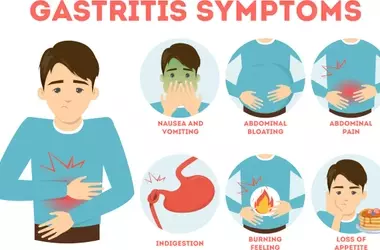
Understanding Chronic Gastritis: A Scientific and Technical Overview
Chronic gastritis is a clinical condition characterized by the persistent and long-term inflammation of the gastric mucosa, the protective inner lining of the stomach. Unlike acute gastritis, which appears suddenly and resolves quickly, the chronic variant develops gradually and can endure for years or even decades if the underlying stimulus remains. This condition involves histological changes to the stomach lining, potentially leading to mucosal atrophy or cellular transformation.
 By Lucas Bernard