 Breaking News & Live Updates
- Breaking News & Live Updates
- Breaking News & Live Updates
- Breaking News & Live Updates
- Breaking News & Live Updates
- Breaking News & Live Updates
- Breaking News & Live Updates
- Breaking News & Live Updates
- Breaking News & Live Updates
- Breaking News & Live Updates
Strategies to Prevent Your Dog From Eating Everything Outdoors
Empower Your Dog: Master the Outdoors, Safely!
Cultivating an Impeccable "Leave It" Command for Canine Safety
Teaching your dog to reliably disengage from undesirable items is paramount. The "leave it" command, when perfected, acts as a crucial safety net. The key lies in proofing this cue across diverse environments and distractions. While initial attempts may seem challenging, especially with highly enticing objects, consistent training, often with the guidance of a professional trainer, can significantly enhance your dog's responsiveness, transforming this command into an infallible tool for preventing dangerous ingestions.
Fostering Attentiveness: Rewarding Your Canine Companion's Focus on Walks
Encouraging your dog to maintain focus on you during outdoor adventures is another vital strategy. By consistently offering high-value rewards, such as premium treats like cooked chicken or steak, whenever your dog voluntarily checks in with you, you create a positive association. This practice teaches your dog that paying attention to their human companion is more rewarding than exploring tempting ground items. This enhanced attentiveness allows for proactive intervention, enabling you to divert their attention before they encounter potential hazards.
Mastering the Art of Exchange: Teaching Your Dog to Trade for Desired Items
The ability to trade an object your dog has found for a more desirable item is an invaluable skill for scavenger-prone canines. Begin by practicing with low-stakes items, like their favorite toys, gradually increasing the value of the traded item. When your dog picks up an object, offer a highly aromatic and appealing treat directly to their nose. As they open their mouth to investigate the treat, use a clear command like "trade" or "drop it." Immediately reward them with the treat once the unwanted item is released. Should your dog exhibit any signs of resource guarding, such as growling or tensing, it is crucial to seek professional training assistance before attempting this technique.
Selecting Optimal Walking Paths to Minimize Temptations for Your Pet
Choosing appropriate walking routes can significantly reduce your dog's exposure to hazardous items. While it's impossible to eliminate all potential dangers, opting for areas with less litter and fewer natural hazards, such as toxic plants or discarded food, is beneficial. If walking on less-traveled roads, consider walking in the roadway itself to avoid objects hidden in bushes or on lawns, thereby minimizing opportunities for your dog to scavenge.
Enriching Mealtime: Transforming Eating into a Mental Adventure for Your Dog
For dogs with a strong scavenging drive, incorporating mental stimulation into their mealtimes can help redirect their natural instincts. Instead of simply placing food in a bowl, try scattering kibble across a wide area, encouraging your dog to use their nose and brain to find each piece. This transforms eating into an engaging activity, satisfying their innate desire to seek and consume in a controlled and safe environment. Tools like snuffle mats also serve a similar purpose, providing a stimulating way for dogs to forage for treats.
Engaging Your Dog's Olfactory Senses Through Nose Work Exercises
Harnessing your dog's powerful sense of smell through nose work games can provide a constructive outlet for their foraging instincts. Simple games like "Find It," where you hide treats for your dog to discover, or "Which Hand," where they choose the hand holding a treat, can be highly effective. These activities not only provide mental enrichment but also strengthen the bond between you and your dog, making them more inclined to engage in desired behaviors.
Promoting Slower Eating Habits with Specially Designed Bowls for Canines
Slow feeder bowls are an excellent tool for dogs who tend to devour their food too quickly. These bowls feature unique designs, such as protrusions or mazes, that require dogs to navigate around obstacles to access their food. This design effectively slows down their eating pace, offering mental stimulation and helping to establish a healthier, more measured approach to meals, reducing the intensity of their drive to scavenge.
Considering a Muzzle for Enhanced Safety in High-Risk Scenarios
In extreme cases where a dog's health is at significant risk due to persistent scavenging, a muzzle can be a life-saving tool. While some owners may feel hesitant due to societal perceptions, a muzzle provides a physical barrier, preventing the ingestion of dangerous objects without compromising the dog's quality of life or ability to enjoy walks. It is crucial to select a basket-style muzzle that allows for proper panting and drinking, such as the mesh OutFox Field Guard, which offers comprehensive protection against various outdoor hazards while maintaining comfort and natural behaviors.
Other Articles
 Jan 13, 2026
Unlocking Canine Communication: The Rise of Talking Buttons
This article explores the burgeoning trend of teaching pets to communicate using programmable buttons, a phenomenon gaining traction since the pandemic. Inspired by social media sensations like Bunny the Sheepadoodle, the technique, known as augmentative interspecies communication, allows dogs to express needs, feelings, and even existential thoughts. The piece delves into the functionality of these buttons, effective training methods, and ongoing scientific research that sheds light on dogs' remarkable linguistic capabilities, offering pet owners a new avenue for deeper understanding and interaction with their canine companions.
Jan 13, 2026Beyond Breed: Understanding Your Dog's Unique Behavior
This article explores how a dog's physical characteristics, rather than just their breed, significantly influence their communication and behavior. It highlights that appearance and genetics can differ greatly, and individual experiences shape a dog's personality. The piece also discusses the impact of cosmetic alterations like tail docking and ear cropping on canine communication, emphasizing the need for pet owners to appreciate their dog's unique morphology for better understanding and empathy.
Jan 13, 2026Mastering Dog Park Visits for Pawsitive Experiences
This guide provides essential advice for dog owners on navigating dog parks effectively. From understanding your dog's temperament and body language to implementing basic obedience, it covers crucial preparation steps. The article also outlines practical dos and don'ts for park visits, emphasizing safety, responsible pet ownership, and fostering positive social interactions among dogs and their owners. Learn how to ensure your canine companion enjoys their park outings to the fullest.
 Jan 13, 2026
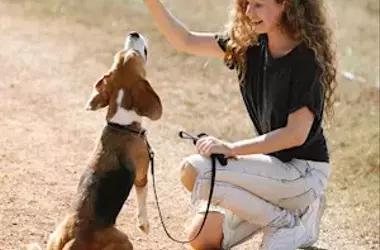
The Science of Dog Reinforcement: Food Versus Social Interaction
A recent study explored the effectiveness of social interaction and food as reinforcers in dog training. While both can motivate dogs, food generally proves more effective. However, social interaction offers a readily available alternative, especially when food isn't an option. The research highlights the importance of understanding individual dog preferences for optimal training outcomes.
 Jan 13, 2026
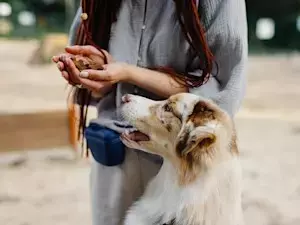
Dogs and Speech Buttons: Unlocking Canine Communication
A new study published in PLOS One investigates the efficacy of speech buttons for dog communication. Researchers found that dogs trained to use these buttons indeed understand the words, reacting with appropriate behaviors to cues like 'play' and 'outside.' This research confirms dogs' ability to comprehend spoken words beyond human body language, paving the way for further exploration into canine linguistic capabilities.
 Jan 13, 2026
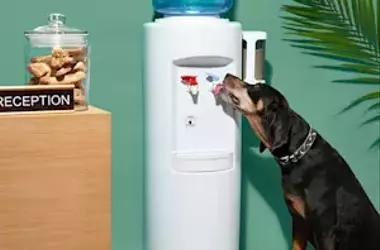
Integrating Your Canine Companion into the Workplace: A Comprehensive Guide
Bringing your dog to work offers numerous benefits, from boosting morale to enhancing productivity. However, it requires careful preparation and understanding of your dog's behavior. This guide, with insights from a certified dog trainer, provides essential advice on assessing your dog's suitability for the office, training them to be calm, simulating real-life scenarios, and creating a supportive work environment to ensure their success.