 caidai
- caidai
- caidai
- caidai
- caidai
- caidai
- caidai
- caidai
- caidai
- caidai
Rekindle Your Reading Passion: Expert Tips for Book Lovers
In an age dominated by digital screens and constant distractions, many find their once-vibrant passion for reading waning. This phenomenon, while common, doesn't have to be permanent. Experts reveal that rekindling the joy of reading is entirely possible with a strategic approach and a bit of practice. By understanding how to select engaging material, embrace different reading formats, and even leverage social connections, individuals can transform reading from a chore back into a cherished pastime, making it an enjoyable and sustainable habit once more.
A primary recommendation from seasoned bibliophiles and literary professionals alike is to prioritize pleasure when selecting reading material. Often, people feel compelled to read certain books out of a sense of obligation or to appear cultured, leading to a diminished experience. Instead, focus on titles that genuinely excite you, regardless of their perceived literary merit. Whether it's a gripping thriller, a lighthearted romance, or an insightful non-fiction piece, the key is personal engagement. This enjoyment is crucial not only for finishing the current book but also for fostering the desire to pick up the next one, building momentum in your reading journey.
For those unsure where to begin, exploring new genres or revisiting old favorites can be highly effective. If your current reading choices aren't sparking interest, consider stepping outside your comfort zone. Perhaps a crime novel or a work of magical realism will capture your imagination. Drawing inspiration from your preferences in movies and television can also guide your selections. Conversely, returning to genres you loved in childhood or adolescence can evoke a sense of nostalgic enchantment, offering a familiar entry point back into the world of books. With modern retellings of classic tales readily available, there's a wealth of options to explore.
Furthermore, easing back into reading with less demanding texts can prevent burnout. Instead of tackling lengthy epics, opt for shorter books, novellas, or collections of short stories or essays. These 'breezy reads' offer quicker gratification and a sense of accomplishment without requiring a significant time investment. Books with short chapters are particularly beneficial for those with limited attention spans, allowing readers to fit in small doses of reading throughout their day, such as during a coffee break or commute, thereby building a consistent habit.
Another liberating piece of advice is to grant yourself permission to 'DNF' (Do Not Finish) a book that isn't holding your interest. Life is too short to slog through a book you're not enjoying. While some books take time to develop, setting a personal rule, such as giving a book 50 pages or 10% of its length before deciding to abandon it, can save valuable reading time and prevent reading from feeling like a chore. This mindset frees readers to move on to something more engaging, ensuring that reading remains a pleasurable activity.
Reading, though often perceived as a solitary pursuit, can be greatly enhanced by social interaction. Engaging with others about books, whether through a formal book club, online communities like BookTok, or simply sharing thoughts with a friend, adds a layer of motivation and enjoyment. Discussing plots, characters, and themes deepens understanding and fosters a sense of community around literature. Similarly, creating a dedicated 'reading vibe' can transform the act of reading into a cherished ritual. Dimming the lights, brewing a cup of tea, or visiting a quiet café can elevate the experience, making it something to eagerly anticipate.
Considering different reading formats can also revolutionize your experience. For some, the tactile sensation of a physical book is irreplaceable, providing a focused environment away from digital distractions. For others, the convenience of e-books on a phone or tablet, or a dedicated e-reader, makes reading more accessible, especially when on the go. Critically, audiobooks are increasingly recognized as a valid and valuable form of reading. They engage similar cognitive processes as traditional reading and offer unparalleled flexibility, allowing individuals to 'read' while commuting, exercising, or performing household chores, making literature accessible to a broader audience, including those with disabilities.
Finally, leveraging the resources of your local public library is an invaluable strategy for any aspiring or returning reader. A library card provides free access to a vast collection of physical books, e-books, and audiobooks, eliminating the financial barrier to exploring new authors and genres. This cost-free exploration also encourages readers to experiment without guilt, making it easier to DNF a book that doesn't resonate. Librarians, as expert guides, can offer personalized recommendations, matching readers with titles that align with their interests and preferences, ensuring that once the reading habit is rekindled, it becomes a continuous and enriching journey.
Other Articles
 Mar 29, 2026
The Pitfalls of Postponing Rest: Embracing Daily Rejuvenation
This article explores the counterproductive nature of deferring all rest to holidays or specific breaks, highlighting how societal norms and hustle culture often prioritize work over genuine downtime. It emphasizes that condensing rest into sporadic chunks can lead to increased stress and less effective rejuvenation. The piece advocates for integrating regular, small moments of restorative activity into daily life to prevent burnout and foster a more balanced approach to well-being, rather than viewing rest as a reward earned after intense labor.
 Apr 03, 2026
Saweetie's Perfect Day Off: Recharging and Rediscovering Self-Care
Renowned rap artist Saweetie, known for her vibrant music and demanding schedule, shares her personal blueprint for an ideal day off. From cultivating a serene sleep environment to indulging in comfort activities like binge-watching 'Peaky Blinders,' painting, or hiking, she emphasizes the importance of disconnecting from work and embracing self-care. She also finds joy in family time, home-cooked meals, and even dressing up for herself. Saweetie's reflections offer a refreshing perspective on prioritizing well-being amidst a high-pressure career.
 Apr 02, 2026
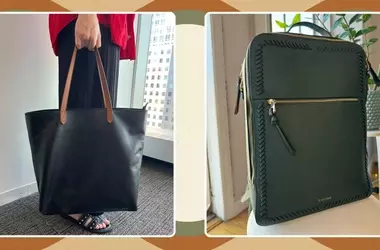
Choosing the Optimal Work Bag: A Comprehensive Guide
Discover the ideal work bag to carry your daily essentials without discomfort. This guide, informed by expert opinions and user reviews, explores key features like design, organization, size, and material to help you select a bag that not only accommodates your laptop and other necessities but also promotes spinal health. From stylish totes to ergonomic backpacks, find the perfect companion for your commute and professional life.
 Apr 07, 2026
Understanding Human Design: A Holistic Self-Knowledge System
Human Design, a system blending astrology with ancient texts like I'Ching and Kabbalah, is gaining popularity as a tool for self-discovery. It posits that each individual possesses a unique 'body graph' reflecting their predispositions and optimal decision-making strategies. Proponents suggest that aligning with one's body graph can lead to greater satisfaction and fulfillment, especially during times of global uncertainty. This article explores the origins, core principles, and rising appeal of Human Design, offering insights into its potential for personal growth and understanding.
 Mar 26, 2026
Mastering the Art of Engaging Conversations
While often perceived as an unavoidable social chore, mastering casual conversation is a valuable skill. It's an opportunity to forge meaningful connections, whether for new friendships, romantic relationships, or professional networking. This guide explores expert-approved techniques, from strategic preparation to active listening, to transform awkward exchanges into genuine interactions that leave a lasting positive impression.
 Mar 26, 2026
Overcoming the Scarcity Mindset
This article explores the concept of a scarcity mindset, where individuals constantly feel there's not enough of anything—time, money, or opportunities. It delves into how this pervasive belief can lead to pessimism, competitiveness, and a feeling of being left behind. The piece identifies key signs of this mentality and offers practical strategies for shifting towards a more hopeful and appreciative perspective, emphasizing gratitude and proactive goal-setting over wishful thinking.