 Breaking News & Live Updates
- Breaking News & Live Updates
- Breaking News & Live Updates
- Breaking News & Live Updates
- Breaking News & Live Updates
- Breaking News & Live Updates
- Breaking News & Live Updates
- Breaking News & Live Updates
- Breaking News & Live Updates
- Breaking News & Live Updates
New Non-Invasive Brain Stimulation Method Shows Promise in Reducing Parkinson's Motor Symptoms
A new research breakthrough presents an innovative non-surgical approach to mitigate the motor challenges associated with Parkinson's disease. This technique, utilizing carefully calibrated electrical currents applied to the scalp, has demonstrated a notable capacity to reach and influence deep brain structures without the need for invasive procedures. Early results indicate a significant reduction in symptoms like slowness of movement and tremors, persisting for at least an hour following a single treatment. This development opens up new avenues for treatment, potentially offering a safer and more accessible alternative to current surgical interventions for the condition.
Details of the Innovative Parkinson's Treatment Trial
In a pioneering study, researchers, including lead author Chenhao Yang from Shanghai University of Sport in China, along with a collaborative team from various international academic institutions, investigated the efficacy of a non-invasive brain stimulation method. Their aim was to determine if transcranial temporal interference stimulation could safely target the subthalamic nucleus to alleviate motor symptoms in Parkinson's patients. The study involved thirty adults in the early-to-mid stages of Parkinson's disease, all capable of unassisted walking and maintaining stable medication routines. Each participant underwent a magnetic resonance imaging (MRI) scan to create personalized computer models of their brain anatomy. These models were crucial for precisely positioning scalp electrodes to direct electrical fields towards each individual's subthalamic nucleus, ensuring a specific frequency difference of approximately 130 hertz at the deep brain intersection point, mirroring the rhythm used in traditional surgical deep brain stimulation.
The trial utilized a randomized, double-blind crossover design, ensuring each participant received both the active therapy and a placebo treatment on separate occasions. During the placebo sessions, a mild tingling sensation was replicated on the scalp, but no deep brain intersection occurred. This meticulous design ensured that neither the participants nor the clinical evaluators were aware of which treatment was being administered, preserving the integrity of the study's findings. Participants refrained from their regular Parkinson's medications for at least twelve hours before each session. Following twenty minutes of either real or sham stimulation, certified clinical examiners assessed their motor abilities using a standardized rating scale, with evaluations conducted immediately, 30 minutes, and a full hour post-treatment.
The results were compelling: 70% of participants experienced a clinically significant reduction in motor symptoms after real stimulation, compared to only 15% after the sham treatment. The most pronounced improvements were observed in slowness of movement and resting tremors, benefits that lasted for the entire hour of observation. While improvements in muscle stiffness and postural balance were less consistent, some rigidity improvements appeared at the sixty-minute mark. Crucially, the procedure was well-tolerated, with no serious adverse events reported. Mild side effects, such as temporary tingling or warmth on the scalp, were comparable across both real and sham groups, further validating the blinding process. Brad Manor, a senior scientist at the Hinda and Arthur Marcus Institute for Aging Research at Hebrew SeniorLife, highlighted the significance of individualized stimulation based on each patient's brain anatomy, suggesting it could be vital for tailoring future neuromodulation therapies. However, the researchers acknowledged limitations, including the small, demographically restricted participant group and the reliance on computer modeling for electrical field prediction, necessitating larger, more diverse multi-center trials and advanced brain imaging to confirm these promising early observations and explore the long-term efficacy of repeated treatments.
This innovative research offers a beacon of hope for individuals living with Parkinson's disease. The ability to non-invasively target deep brain regions with precision could revolutionize treatment strategies, potentially reducing the need for risky surgical procedures and making effective therapy accessible to a broader population. As the scientific community continues to explore the long-term benefits and broader applicability of this technique, it underscores the relentless pursuit of less intrusive and more effective medical solutions. The future of Parkinson's treatment appears brighter with the promise of this cutting-edge brain stimulation method.
Other Articles

Brain's Central Hub Synchronizes Sensory Predictions Amidst Bodily Changes
A recent groundbreaking study reveals how a specific brain region, the mesencephalic command-associated nucleus (MCA), precisely coordinates sensory predictions with the body's dynamic states. This intricate mechanism, crucial for distinguishing self-generated sensations from external stimuli, adapts to hormonal shifts, developmental growth, and evolutionary variations. The findings offer a deeper understanding of sensory processing and hold potential implications for comprehending conditions like schizophrenia.
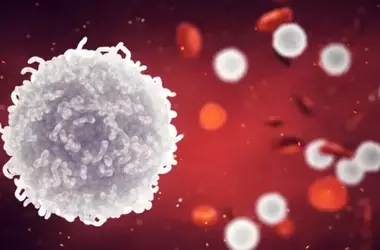
Beyond the Brain: How White Blood Cells Shed Light on Depression's Biological Roots
A recent study published in "Scientific Reports" indicates that individuals suffering from major depressive disorder exhibit altered genetic activity in their white blood cells, specifically in genes linked to brain connectivity. This research highlights that depression's biological impact extends beyond the brain, involving the immune system and providing a holistic perspective on the condition.

The Impact of Daily Physical Activity on Emotional Well-being: A Meta-Analysis
This extensive meta-analysis, published in Nature Human Behaviour, explores the strong correlation between daily physical activity and emotional states. Utilizing data from over 8,000 participants across 14 countries, the research highlights how consistent movement positively influences feelings of energy and contentment. It particularly notes that individuals with lower baseline moods experience the most significant benefits, underscoring the crucial role of everyday activity in promoting mental health and general well-being. The study moves beyond traditional research methods by analyzing raw, individual data, offering a clearer understanding of these micro-level processes.

Understanding the Impact of Height Insecurity on Daily Behavior
New research reveals that individuals dissatisfied with their height often adopt compensatory behaviors, such as altering their appearance or avoiding social situations. This study, published in The Journal of Social Psychology, highlights that body image concerns extend beyond weight and shape to include fixed physical traits. The findings indicate that both men and women engage in specific strategies to manage their height insecurities, driven by societal expectations and personal emotional distress.

Re-evaluating Schizophrenia Heritability: A Critical Analysis of Twin Studies
This article critically examines the widely cited claim that schizophrenia is 80% heritable, primarily focusing on the flaws within twin study methodologies. It challenges the foundational assumptions of twin research, such as the Equal Environments Assumption, and scrutinizes the selective inclusion and interpretation of studies in meta-analyses. The piece argues that historical biases and methodological weaknesses have led to an overestimation of genetic influence, advocating for a thorough re-evaluation of psychiatric genetic research.
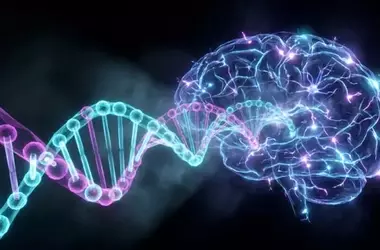
Unraveling Autism's Genetic Puzzle: The Role of Non-Coding DNA
A recent study in Nature highlights a non-protein-coding DNA sequence, PTCHD1-AS, as crucial for core autism features in males. Researchers used human genetic data and altered mice to show that deletions in this sequence lead to social difficulties and repetitive behaviors without affecting intelligence. These findings open new avenues for targeted therapies by focusing on specific brain circuits.