 Breaking News & Live Updates
- Breaking News & Live Updates
- Breaking News & Live Updates
- Breaking News & Live Updates
- Breaking News & Live Updates
- Breaking News & Live Updates
- Breaking News & Live Updates
- Breaking News & Live Updates
- Breaking News & Live Updates
- Breaking News & Live Updates
Jogging with Your Canine Companion: A Guide to Safe and Enjoyable Runs
Embracing a running routine with your canine companion can be a wonderfully enriching experience, fostering a deeper bond and promoting mutual fitness. However, it's essential to approach this activity with careful consideration and preparation, ensuring both your safety and your dog's well-being. Not all dogs are naturally inclined or physically suited for long-distance running, just as not every human is. For example, breeds with brachycephalic (short) snouts, such as Pugs and Bulldogs, often struggle with respiratory issues and are prone to overheating, making them unsuitable running partners. Before lacing up your shoes and hitting the pavement with your furry friend, a veterinary check-up is paramount to confirm their overall health and fitness level for such an endeavor.
Successfully integrating your dog into your running regimen requires thoughtful planning, especially concerning environmental factors and proper conditioning. Weather conditions play a critical role; extreme heat can lead to overheating and paw pad damage for dogs, while cold, icy terrain presents its own set of challenges. Gradual progression is key, much like human training. Start with short intervals of walking and jogging, slowly increasing the duration and intensity as your dog builds stamina. Essential equipment, such as a sturdy, hands-free leash of appropriate length and a portable water bottle, will enhance safety and comfort. Always ensure you have waste bags on hand to maintain cleanliness and respect for public spaces.
Ultimately, a rewarding running partnership with your dog hinges on constant vigilance and a willingness to prioritize their needs. Avoid feeding your dog immediately before a run to prevent digestive upset. Throughout your exercise, closely observe your dog for any signs of fatigue, discomfort, or distress, such as excessive panting, limping, or reluctance to continue. If your dog signals that they need a break or are simply not enjoying the activity, be prepared to adjust your plans, even if it means cutting the run short. Making the experience enjoyable for them, perhaps by concluding with a trip to a dog park or a special treat, will help foster their enthusiasm and create positive associations with running, ensuring it remains a cherished activity for both of you.
Cultivating a shared passion for running with your dog can profoundly strengthen your connection and contribute to a healthier, more active lifestyle. This journey, when approached with responsibility and empathy, transforms a simple exercise into a joyful adventure, reminding us of the unwavering loyalty and companionship our pets offer. It underscores the importance of understanding and responding to the unique needs of our animal friends, ensuring their happiness and well-being alongside our own.
Other Articles
 Jan 12, 2026
The Path to Becoming a Professional Dog Trainer
Becoming a successful dog trainer involves not just working with canines but also effectively guiding their human companions. This career path necessitates a blend of theoretical knowledge, hands-on experience, and formal certification. Aspiring trainers should focus on positive reinforcement methods, continuous learning, and gaining practical exposure to various dog behaviors. Specialization can also open up diverse career opportunities within the field.
 Jan 12, 2026
Do Dogs Understand Their Names as Identity or as a Command?
Many dog owners believe their pets understand their names as a form of identity, similar to how humans perceive their own names. However, scientific research suggests a more complex reality. While dogs certainly react to their names, this reaction is often a conditioned response to a cue for attention rather than a deep sense of self-recognition. This article delves into how dogs learn and interpret their names, exploring the fascinating interplay between canine cognition and human communication.
 Jan 12, 2026
Effective Training Strategies for Older Dogs
It's a common misconception that senior dogs cannot learn new behaviors. This article dispels that myth, emphasizing that older dogs are fully capable of training, and doing so can significantly enrich their lives and strengthen the bond with their owners. It covers crucial considerations for training older dogs, such as understanding age-related changes, adapting training methods, and using positive reinforcement to ensure a successful and enjoyable experience for both the dog and the owner.
 Jan 12, 2026
Beyond Treats: Creative Positive Reinforcement in Dog Training
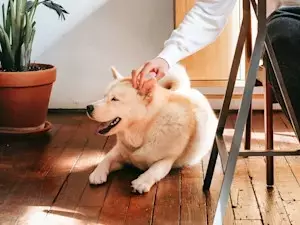
This article explores the nuances of positive reinforcement in dog training, highlighting that what owners perceive as rewards may not always be reinforcing for their dogs. It delves into the concept of "positive punishment" through misapplied praise and petting, and offers innovative alternatives to traditional treats, emphasizing understanding each dog's unique preferences to foster effective and lasting behavioral changes.
 Jan 12, 2026
Teaching Your Dog to Stop Pawing for Attention
This article explores strategies for addressing a dog's persistent pawing behavior, which often stems from their learned understanding of how to get what they want. It emphasizes understanding the dog's motivation, the behavior itself, and the consequences from the dog's perspective. The piece offers practical advice on redirecting unwanted pawing by consistently withholding desired outcomes when the behavior occurs and rewarding alternative, calmer actions. Ultimately, the goal is to teach the dog appropriate ways to communicate their needs without resorting to destructive or demanding pawing.
 Jan 12, 2026
Mastering Puppy Potty Training in Apartment Living
Potty training a puppy in an apartment presents unique challenges due to limited space and urban environments. However, by establishing a consistent routine, utilizing tools like pee pads or crates, and providing positive reinforcement, apartment dwellers can successfully teach their puppies good bathroom habits. Key strategies include frequent outdoor trips, recognizing pre-potty signs, and handling accidents constructively to build trust and proper behavior.