 Notizie di ultima ora e aggiornamenti in tempo reale
- Notizie di ultima ora e aggiornamenti in tempo reale
- Notizie di ultima ora e aggiornamenti in tempo reale
- Notizie di ultima ora e aggiornamenti in tempo reale
- Notizie di ultima ora e aggiornamenti in tempo reale
- Notizie di ultima ora e aggiornamenti in tempo reale
- Notizie di ultima ora e aggiornamenti in tempo reale
- Notizie di ultima ora e aggiornamenti in tempo reale
- Notizie di ultima ora e aggiornamenti in tempo reale
- Notizie di ultima ora e aggiornamenti in tempo reale
Understanding Why Dogs Steal Socks and How to Prevent It
Dogs often develop a peculiar habit of pilfering socks, a behavior that, while sometimes amusing, can be rooted in various psychological and instinctual factors. This common canine quirk is often misunderstood by owners, leading to frustration. By delving into the underlying reasons for this textile-collecting tendency, such as seeking interaction, satisfying play urges, finding comfort in familiar scents, or even fulfilling ancient instincts, owners can develop effective strategies to manage and prevent it. Understanding these motivations is crucial for fostering a harmonious environment and ensuring the pet's well-being.
Addressing this behavior requires a comprehensive approach that includes securing personal items, implementing consistent training methods, and enriching the dog's daily life with appropriate activities. Proactive measures, combined with an understanding of canine psychology, can significantly reduce instances of sock theft and mitigate potential health risks, such as accidental ingestion. Ultimately, a well-adjusted and stimulated dog is less likely to engage in undesirable behaviors, promoting a better bond between pet and owner.
Decoding Your Dog's Sock Obsession
Many dog owners frequently wonder why their furry friends seem so fascinated by socks. This common behavior, often a source of both amusement and annoyance, is typically driven by a combination of factors. One primary reason dogs swipe socks is a craving for attention. They quickly learn that grabbing a sock usually elicits a reaction from their human, whether it's a playful chase or a stern command, fulfilling their need for interaction. Moreover, socks often serve as intriguing playthings due to their texture, shape, and the fact that they carry their owner's scent, making them highly appealing. This sensory experience can be particularly satisfying for dogs, making them an attractive alternative to their designated toys.
Beyond attention and play, the strong scent of their owner ingrained in socks provides a sense of comfort and security for dogs, particularly those experiencing separation anxiety. The familiar smell can be a soothing presence when their human is absent, acting as a surrogate companion. For puppies, socks can also offer relief during the uncomfortable teething phase, as chewing on the soft fabric can alleviate gum soreness. Additionally, a lack of mental and physical stimulation can lead to boredom, prompting dogs to seek out novel items like socks to entertain themselves. In some cases, this behavior is even linked to ancestral instincts of collecting and scavenging, where socks become a modern-day 'trophy' item. Recognizing these diverse motivations is the first step in addressing and modifying this behavior effectively.
Effective Strategies to Curb Sock Stealing
Preventing your dog from stealing socks involves a multi-faceted approach that combines environmental management with consistent training and enrichment. The most straightforward method is to remove temptation by ensuring all socks and similar personal items are stored securely out of your dog's reach. This means placing them in drawers, closed hampers, or closets that your dog cannot access. However, if your dog is particularly determined, further strategies are necessary. Implementing positive reinforcement training is highly effective. This involves rewarding your dog when they choose to play with their appropriate toys and ignoring instances of sock-stealing, thus reinforcing desired behaviors without inadvertently rewarding the undesirable ones with attention.
Teaching your dog commands such as 'drop it' or 'leave it' is invaluable. When your dog has a sock, a firm 'drop it' followed by a reward once they release the item can teach them to relinquish forbidden objects. Similarly, 'leave it' can train them to ignore socks in the first place. Providing a wide variety of engaging toys, including puzzle toys that offer mental stimulation and durable chew toys for teething puppies, can significantly reduce their inclination to seek out socks. Establishing a consistent daily schedule that includes ample physical exercise and mental stimulation, such as regular walks, playtime, and training sessions, can combat boredom, a common trigger for mischievous behaviors. In situations where a dog frequently attempts to eat socks, or if one is ingested, immediate veterinary consultation is paramount, as this poses a serious risk of intestinal obstruction requiring urgent medical intervention.
Altri articoli
 Jan 13, 2026
Enhancing Canine Well-being: The World of Nina Ottosson's Interactive Puzzle Toys
Nina Ottosson, a renowned designer of interactive puzzle toys for dogs, emphasizes the critical role of mental stimulation in canine health. Her innovative products, designed to engage both pets and owners, aim to combat boredom and destructive behaviors. Ottosson's philosophy centers on the idea that dogs, like humans, need diverse forms of daily exercise, both physical and mental. Her toys are categorized by difficulty levels, ensuring a suitable challenge for every dog, from puppies to seniors, and promoting a stronger bond between pets and their human companions.
 Jan 13, 2026
The Art and Science of Canine Therapy: Beyond Cuddles
Discover the intricate world of therapy dogs, from the profound impact of Animal-Assisted Therapy (AAT) on patient recovery to the critical distinction between well-mannered pets and true therapy candidates. Learn about the essential traits of an ideal therapy dog and the vital responsibilities of handlers in ensuring a safe, effective, and mutually beneficial experience for all involved.
 Jan 13, 2026
Mastering Potty Training for Senior Dogs: A Comprehensive Guide
Adopting a senior dog is a rewarding experience, but they may arrive with unique challenges, including the need for potty training. This guide offers insights into successfully training older dogs, addressing common issues such as cognitive abilities, established habits, and health concerns. With patience, consistency, and the right techniques, you can help your senior companion adapt to a new routine and thrive in their forever home.
Jan 13, 2026The Art of Naming Your Canine Companion: Navigating Nicknames and Training
This article explores the complexities of naming dogs, especially the common practice of using multiple nicknames. It delves into expert opinions on how dogs perceive names, the importance of consistent naming for training and safety, and the role of tone and body language in canine communication. The piece highlights that while nicknames are a human impulse, consistency in a primary name is crucial for effective dog training and safety, especially in emergency scenarios.
 Jan 13, 2026
Transforming Dog Training: A Positive Reinforcement Approach
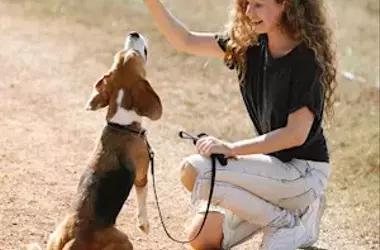
Many dog owners encounter challenges with their pets' behavior, often leading to frustration. This article proposes a shift in perspective from punishing undesirable actions to reinforcing positive ones. By understanding canine motivations and employing proactive strategies, owners can foster a stronger bond with their dogs. The key lies in consistent positive reinforcement and recognizing that dog training, much like raising a toddler, requires patience and a supportive environment.
 Jan 13, 2026
Harmony with Hounds: A Guide to Apartment Dog Etiquette
This guide offers essential advice for dog owners living in apartment buildings, focusing on fostering positive relationships with neighbors. Drawing on insights from dog trainer Robert Haussmann, the article covers key aspects like leash discipline, cautious introductions to other dogs, mindful use of shared spaces, minimizing barking, ensuring dogs are comfortable alone, and even suggests thoughtful gestures when unavoidable disruptions occur. It emphasizes proactive measures to enhance community living for both pets and their human companions.