 Notizie di ultima ora e aggiornamenti in tempo reale
- Notizie di ultima ora e aggiornamenti in tempo reale
- Notizie di ultima ora e aggiornamenti in tempo reale
- Notizie di ultima ora e aggiornamenti in tempo reale
- Notizie di ultima ora e aggiornamenti in tempo reale
- Notizie di ultima ora e aggiornamenti in tempo reale
- Notizie di ultima ora e aggiornamenti in tempo reale
- Notizie di ultima ora e aggiornamenti in tempo reale
- Notizie di ultima ora e aggiornamenti in tempo reale
- Notizie di ultima ora e aggiornamenti in tempo reale
Understanding Hypertension: A Scientific and Technical Overview

Hypertension, commonly known as high blood pressure, is a chronic medical condition characterized by a persistent elevation in the force exerted by the circulating blood against the arterial walls. It is a primary hemodynamic parameter used to assess cardiovascular risk and systemic vascular health. This condition is often asymptomatic, yet it serves as a critical indicator of potential structural changes within the heart and blood vessels.
This article provides an objective analysis of hypertension. It will define the physiological parameters of blood pressure, examine the biological and mechanical pathways that lead to elevated readings, discuss the global clinical landscape of management and diagnosis, and conclude with an overview of future research directions.

1. Basic Conceptual Analysis: Hemodynamics and Measurement
Blood pressure is the result of two physical forces: the heart pumping blood into the arteries and the resistance from the arterial walls. It is recorded using two numerical values measured in millimeters of mercury (mmHg).
- Systolic Pressure: The pressure in the arteries when the heart muscle contracts.
- Diastolic Pressure: The pressure in the arteries when the heart rests between beats.
Clinical Classifications
According to the World Health Organization (WHO), hypertension is diagnosed when a person’s blood pressure measurements on two different days are consistently equal to or above $140/90$ mmHg. However, different clinical bodies may use varying thresholds for classification:
| Category | Systolic (mmHg) | Diastolic (mmHg) |
| Optimal | $< 120$ | and $< 80$ |
| Normal | $120–129$ | and/or $80–84$ |
| High Normal | $130–139$ | and/or $85–89$ |
| Grade 1 Hypertension | $140–159$ | and/or $90–99$ |
| Grade 2 Hypertension | $\ge 160$ | and/or $\ge 100$ |
2. Core Mechanisms and In-depth Explanation
The pathophysiology of hypertension involves a complex interplay of the nervous system, the endocrine system, and the physical properties of the vasculature.
The Renin-Angiotensin-Aldosterone System (RAAS)
One of the most critical regulatory mechanisms is the RAAS, a hormonal cascade that manages blood volume and systemic vascular resistance.
- When blood pressure drops or sodium levels are low, the kidneys release the enzyme renin.
- Renin converts angiotensinogen into angiotensin I, which is then converted by an enzyme (ACE) into angiotensin II.
- Angiotensin II is a potent vasoconstrictor, meaning it narrows the blood vessels, which immediately increases pressure. It also stimulates the release of aldosterone, causing the kidneys to retain salt and water, increasing total blood volume.
Shutterstock
Vascular Remodeling and Stiffness
In chronic hypertension, the arterial walls undergo structural changes. To withstand high pressure, the smooth muscle cells in the arteries may thicken (hypertrophy), and the elastic fibers may be replaced by rigid collagen. This process, known as arterial stiffness, reduces the ability of the vessels to expand and contract, creating a feedback loop that further elevates pressure.
Endothelial Dysfunction
The endothelium is the inner lining of the blood vessels. It produces nitric oxide, a molecule that signals the vessels to relax. In hypertensive states, the endothelium may become impaired, leading to a decrease in nitric oxide availability and a state of persistent vasoconstriction.
3. Presenting the Full Picture: The Global Landscape
Hypertension is a global health challenge that affects diverse populations. Data from the Lancet indicates that the number of adults aged 30–79 years with hypertension has doubled from $648$ million in 1990 to $1.28$ billion in 2019
Diagnostic Methods
- Office Blood Pressure Measurement (OBPM): Traditional readings taken in a clinical setting.
- Ambulatory Blood Pressure Monitoring (ABPM): A wearable device that records pressure at 15–30 minute intervals over 24 hours. This is considered the gold standard for identifying "White Coat Hypertension" (high only in clinics) and "Masked Hypertension" (normal in clinics but high elsewhere).
- Home Blood Pressure Monitoring (HBPM): Regular self-checks by the individual in a relaxed environment.
Management Strategies
Management is typically divided into non-pharmacological and pharmacological interventions.
- Non-pharmacological: Focuses on sodium reduction, increased potassium intake, regular physical activity, and moderation of alcohol.
- Pharmacological: Includes various classes of medications such as Diuretics, ACE inhibitors, Calcium Channel Blockers, and Beta-blockers, each targeting a different part of the physiological mechanisms described in section 2.
4. Summary and Future Outlook
While hypertension is a well-understood condition, it remains a leading risk factor for cardiovascular events worldwide. The focus of modern research is shifting toward more personalized and technology-driven approaches.
Research Directions:
- Genomics: Identifying specific genetic markers that predispose individuals to salt-sensitive hypertension.
- Digital Health: The development of cuffless, continuous blood pressure sensors integrated into wearable technology.
- Interventional Procedures: Techniques such as Renal Denervation, which involves using radiofrequency energy to disrupt the nerves in the kidneys that contribute to high blood pressure.
- Artificial Intelligence: Utilizing AI to predict blood pressure fluctuations and personalize treatment schedules based on circadian rhythms (chronotherapy).
5. Q&A: Clarifying Common Technical Inquiries
Q: Can hypertension be cured?
A: In most cases, primary (essential) hypertension is a chronic condition that requires lifelong management. However, secondary hypertension—caused by an underlying issue like a kidney tumor or thyroid disorder—can sometimes be resolved if the primary cause is successfully addressed.
Q: Why is salt often linked to high blood pressure?
A: Sodium attracts water. When there is excess sodium in the bloodstream, it pulls water from the cells into the blood vessels, increasing the total volume of blood. This higher volume requires more force to move through the circulatory system.
Q: Is a high systolic reading more dangerous than a high diastolic reading?
A: For individuals over the age of 50, systolic blood pressure is generally considered a more significant risk factor for cardiovascular issues. However, an elevation in either number is used clinically to define hypertension.
Q: What is "Isolated Systolic Hypertension"?
A: This is a condition where the systolic pressure is high ($\ge 140$ mmHg) but the diastolic pressure remains within a normal range ($< 90$ mmHg). This is common in older adults due to the age-related stiffening of the major arteries.
This overview is provided for informational and educational purposes, reflecting current scientific knowledge regarding hypertension. For clinical guidance or interpretation of personal health metrics, individuals should refer to resources from the American Heart Association (AHA) or the European Society of Cardiology (ESC).

Altri articoli
 Dec 19, 2025
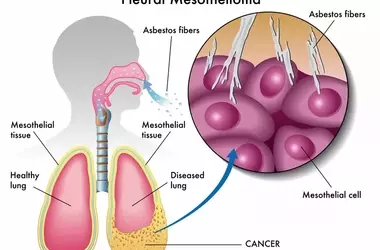
Understanding Mesothelioma: A Comprehensive Scientific Overview
Mesothelioma is a primary malignancy arising from the mesothelial cells that form the protective lining (mesothelium) of the body's internal cavities. This aggressive form of cancer most commonly affects the pleura (the lining of the lungs), but it can also manifest in the peritoneum (abdomen), pericardium (heart sac), or tunica vaginalis (testes). Characterized by a long latency period—often spanning several decades between exposure and clinical presentation—mesothelioma remains a significant focus of global oncological research.
 Di Emily Watson
 Dec 19, 2025
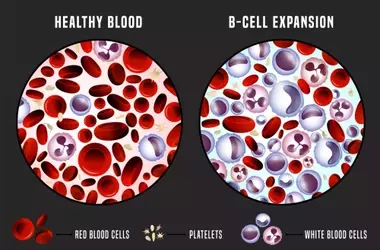
Understanding Chronic Leukemias: A Comprehensive Scientific Overview
Chronic leukemias represent a specific group of hematologic malignancies characterized by the overproduction of mature but dysfunctional white blood cells. Unlike acute leukemias, which progress rapidly and involve immature "blast" cells, chronic leukemias typically develop over a longer period, often remaining asymptomatic for years.
 Di Lucas Bernard
 Dec 18, 2025
A Comprehensive Guide to Alzheimer's Disease: Understanding the Journey and Care Options
Welcome to this comprehensive guide on Alzheimer's disease, designed to provide you with clear, factual information about this complex condition. This guide will walk you through the essential aspects of Alzheimer's disease, from understanding what it is and recognizing early signs, to exploring current treatment approaches and practical care strategies. You'll learn about the importance of early intervention, the latest research in personalized treatment plans, and how to create a supportive environment for those living with the condition. We'll also address common questions and concerns, all based on the most current scientific understanding. Whether you're seeking information for yourself, a family member, or simply wish to understand more about this widespread condition, this guide aims to provide you with balanced, evidence-based knowledge to navigate the Alzheimer's journey with confidence.
 Di Thomas Nguyen