 Notizie di ultima ora e aggiornamenti in tempo reale
- Notizie di ultima ora e aggiornamenti in tempo reale
- Notizie di ultima ora e aggiornamenti in tempo reale
- Notizie di ultima ora e aggiornamenti in tempo reale
- Notizie di ultima ora e aggiornamenti in tempo reale
- Notizie di ultima ora e aggiornamenti in tempo reale
- Notizie di ultima ora e aggiornamenti in tempo reale
- Notizie di ultima ora e aggiornamenti in tempo reale
- Notizie di ultima ora e aggiornamenti in tempo reale
- Notizie di ultima ora e aggiornamenti in tempo reale
Understanding Antibiotic Medications: A Comprehensive Scientific Overview

In the field of modern medicine, few discoveries have had as significant an impact on public health as the development of antimicrobial agents. Antibiotics are a specific class of pharmaceutical substances designed to inhibit the growth of or destroy bacteria. These medications are used to treat infections caused by bacterial pathogens, ranging from minor skin issues to life-threatening systemic conditions. However, antibiotics are strictly ineffective against viral infections, such as the common cold or influenza. This article provides a neutral, science-based examination of antibiotics, exploring their foundational classifications, the biological mechanisms through which they combat bacteria, the clinical challenges of antibiotic resistance, and the future of infection management. By following a structured path from basic concepts to a technical Q&A, this discussion aims to clarify the role of these essential tools in safeguarding human health.
Basic Concepts and Classification
Antibiotics function by exploiting the biological differences between human cells and bacterial cells. Because bacteria are "prokaryotic" (lacking a nucleus and having unique cell walls), medications can be designed to attack these specific structures without harming the human host.
Antibiotics are generally classified into two categories based on their effect on bacteria:
- Bactericidal: These medications directly kills the bacteria (e.g., Penicillin).
- Bacteriostatic: These medications stop the bacteria from multiplying, allowing the body’s natural immune system to eliminate the remaining pathogens (e.g., Tetracycline).
Shutterstock
Furthermore, they are categorized by their "spectrum" of activity:
- Narrow-Spectrum: Effective against only a specific family of bacteria.
- Broad-Spectrum: Effective against a wide variety of both Gram-positive and Gram-negative bacteria.
Core Mechanisms: How Antibiotics Work
The effectiveness of an antibiotic depends on its ability to disrupt a vital life process of the bacterial cell. There are four primary mechanisms utilized in clinical medicine:
1. Inhibition of Cell Wall Synthesis
Bacteria maintain a high internal pressure and require a rigid cell wall made of "peptidoglycan" to survive.
- The Mechanism: Drug like Beta-lactams (Penicillins and Cephalosporins) interfere with the cross-linking of this wall.
- The Result: Without a stable wall, the bacteria eventually burst (lyse) due to osmotic pressure.
2. Inhibition of Protein Synthesis
Bacteria need proteins for enzymes and structure. They use "ribosomes" to build these proteins, which are structurally different from human ribosomes.
- The Mechanism: Antibiotics like Macrolides or Aminoglycosides bind to the bacterial ribosome.
- The Result: The bacteria can no longer produce essential proteins, leading to a halt in growth or cell deaths.
3. Interference with Nucleic Acid Synthesis
To reproduce, bacteria must copy their DNA and produce RNA.
- The Mechanism: Certain antibiotics (like Fluoroquinolones) block the enzymes responsible for unwinding DNA or making RNA.
- The Result: The bacteria cannot replicate their genetic material, preventing the infection from spreading.
4. Disruption of Metabolic Pathways
Some bacteria must synthesize their own folic acid to survive.
- The Mechanism: Sulfonamides (sulfa drug) mimic the molecules bacteria use to make folic acid.
- The Result: The bacteria use the drug instead of the real molecule, creating a "deads-end" in their metabolism.
Presentation of the Clinical Landscape
The application of antibiotics involves a careful balance between eliminating the infection and preserving the body's natural "good" bacteria.
Comparison of Common Antibiotic Classes
| Class | Primary Mechanism | Common Use Cases | Example |
| Penicillins | Cell Wall Inhibition | Ear infections, Strep throat | Amoxicillin |
| Tetracyclines | Protein Synthesis Inhibition | Acne, Respiratory infections | Doxycycline |
| Macrolides | Protein Synthesis Inhibition | Pneumonia, Skin infections | Azithromycin |
| Fluoroquinolones | DNA Synthesis Inhibition | Urinary tract infections | Ciprofloxacin |
| Sulfonamides | Metabolic Interference | Bacterial skin infections | Trimethoprim |
The Clinical Workflow
- Diagnosis: Identifying if an infection is bacterial through clinical symptoms or laboratory tests (cultures).
- Sensitivity Testing: Determining which specific antibiotic is most effective against the identified strain.
- Dosing Protocol: Establishing a timeline (e.g., twice daily for 7 days) to ensure the concentration of the drug in the blood remains high enough to finish off all bacteria.
- Observation: Monitoring for allergic reactions or gastrointestinal side effects.
Objective Discussion and Evidence
While antibiotics have saved millions of lives, their widespread use has led to a critical global health challenge known as Antibiotic Resistance.
- The Rise of Resistance: According to the World Health Organization (WHO), antibiotic resistance is one of the biggest threats to global health, food security, and development today. When antibiotics are used unnecessarily—or when a course is started but not finished—the weakest bacteria die, but the strongest survive and mutate.
- Statistical Impact: Data suggests that at least 1.27 million deaths globally per year are directly attributable to antimicrobial resistance.
- The "Good Bacteria" Factor: Antibiotics do not always distinguish between harmful pathogens and the beneficial bacteria in the gut (the microbiome). Disruption of this balance can lead to secondary issues, such as C. difficile infections.
- Discovery Void: There has been a significant "innovation gap" in the development of new classes of antibiotics. Most "new" antibiotics discovered in recent decades are variations of existing classes rather than entirely new ways.
Summary and Future Outlook
The future of managing bacterial infections is moving away from a "one-size-fits-all" approach and toward precision medicine.
Future developments include:
- Phage Therapy: Using specialized viruses (bacteriophages) that only target and kills specific bacteria, leaving the rest of the body’s microbiome intact.
- Antibiotic Adjuvants: Molecules that do not kills bacteria themselves but "disable" the resistance mechanisms of the bacteria, making old antibiotics effective again.
- Rapid Diagnostics: Point-of-care tests that can tell a doctor within minutes if an infection is viral or bacterial, preventing the unnecessary prescription of antibiotics.
Question and Answer Section
Q: Why must a full course of antibiotics be finished if symptoms are gone?
A: Symptoms usually disappear when the majority of bacteria are deads. However, the most resilient bacteria often remain. If the treatment stops early, these survivors can multiply and develop resistance, potentially causing the infection to return in a much harder-to-treat form.
Q: Can antibiotics treat the flu or COVID-19?
A: No. These are caused by viruses. Antibiotics target bacterial structures (like cell walls) that viruses do not have. Taking antibiotics for a virus provides no benefit and increases the risk of side effects and resistance.
Q: What is a "Superbug"?
A: This is a non-technical term for bacteria that have developed resistance to multiple types of antibiotics, making them very difficult to treat with standard clinical protocols.
Q: Do antibiotics weaken the immune system?
A: Antibiotics do not directly weaken the immune system's ability to fight. However, by altering the gut microbiome, they can temporarily affect the body's overall internal balance. The immune system remains active, but the "support" from beneficial bacteria may be reduced during and shortly after treatment.
References

Altri articoli
 Dec 23, 2025
Understanding Anti-Diabetic Medications: A Comprehensive Scientific Overview
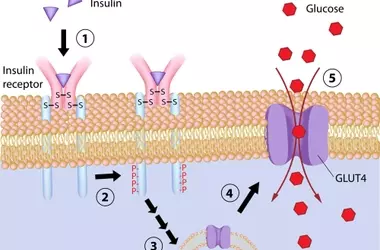
Diabetes mellitus is a chronic metabolic disorder characterized by elevated levels of blood glucose (sugar), which over time leads to serious damage to the heart, blood vessels, eyes, kidneys, and nerves. Anti-diabetic medications refer to a diverse range of pharmaceutical agents designed to stabilize blood sugar levels and improve the body’s ability to process glucose. This article serves as an objective, educational exploration of these medications, detailing their fundamental classifications and the biological pathways through which they function. By moving from basic definitions to core mechanical explanations and clinical discussions, the text provides a clear picture of the current therapeutic landscape. The following sections will clarify how different drug interact with various organs, the objective efficacy of these treatments, and the emerging scientific trends in glucose management.
 Di Thomas Nguyen
 Dec 23, 2025
Understanding Antihypertensive Medications: A Comprehensive Scientific Overview
High blood pressure, or hypertension, is a chronic medical condition where the force of the blood against the artery walls is consistently too high, potentially leading to serious health complications such as heart disease and stroke. Antihypertensive medications are a broad category of pharmaceutical agents developed to lower blood pressure and maintain it within a healthy range. These drug act on various physiological systems, including the kidneys, the heart, and the blood vessels, to reduce the overall pressure within the circulatory network. This article provides a neutral, evidence-based examination of these medications. It explores the basic classification of blood pressure drug, explains the biological mechanisms by which they function, presents an objective overview of their clinical application, and discusses the future of hypertension management. By following a structured progression from foundational concepts to expert Q&A, this text serves as an informative resource for understanding how pharmacological intervention supports cardiovascular stability.
 Di Ahmed El-Sayed
 Dec 23, 2025
Understanding Dermatological Medications: A Comprehensive Scientific Overview
The skin is the largest organ of the human body, acting as a critical barrier against environmental pathogens, ultraviolet radiation, and physical trauma. Dermatological medications are a diverse group of pharmaceutical agents specifically formulated to treat diseases and conditions affecting the skin, hair, and nails. These treatments range from surface-level topical creams to complex systemic drug that alter immune responses. This article provides a neutral, evidence-based examination of the pharmacological landscape of skincare. It explores the foundational classification of skin treatments, the biological mechanisms through which these drug interact with skin cells, and an objective discussion of the clinical outcomes and challenges associated with their use. By following a path from basic definitions to future scientific trends, this overview aims to provide a clear understanding of the role these medications play in modern medicine.
 Di Dr. Marcus Lee