 Notizie di ultima ora e aggiornamenti in tempo reale
- Notizie di ultima ora e aggiornamenti in tempo reale
- Notizie di ultima ora e aggiornamenti in tempo reale
- Notizie di ultima ora e aggiornamenti in tempo reale
- Notizie di ultima ora e aggiornamenti in tempo reale
- Notizie di ultima ora e aggiornamenti in tempo reale
- Notizie di ultima ora e aggiornamenti in tempo reale
- Notizie di ultima ora e aggiornamenti in tempo reale
- Notizie di ultima ora e aggiornamenti in tempo reale
- Notizie di ultima ora e aggiornamenti in tempo reale
Mastering the Art of Dog Recall: Building a Positive Connection
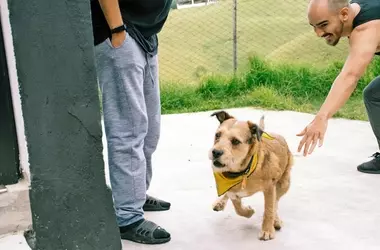
Many dog owners frequently express frustration with their pets' inconsistent responses to commands, particularly when attempting to call them back. While dogs eagerly approach when prompted by sounds signaling treats or walks, they often disregard direct verbal cues. This discrepancy highlights a fundamental aspect of canine behavior: dogs are primarily motivated by positive associations. This article delves into the reasons behind this selective responsiveness, emphasizing that effective recall training hinges on deliberate positive reinforcement and a clear understanding of a dog's natural inclinations. By consistently linking the 'come' command with rewarding experiences, owners can cultivate a strong, reliable recall, transforming a common training challenge into a harmonious interaction based on trust and positive reinforcement.
Understanding Your Dog's Motivation for Returning
Dogs, much like humans, are driven by their perception of positive outcomes. They instinctively associate certain sounds or actions, such as the rustle of a treat bag or the jingle of a leash, with pleasant experiences like food or outdoor adventures. This inherent desire for joy explains why they respond enthusiastically to these signals. Conversely, a lack of consistent positive reinforcement for the 'come' command leads to its diminished value. When dogs are not explicitly trained to associate this verbal cue with something genuinely rewarding, they are unlikely to prioritize it over other, more intrinsically satisfying activities. Therefore, understanding and leveraging these natural motivators are crucial for establishing a dependable recall response.
The issue often stems from human assumptions that dogs inherently understand and will comply with verbal commands without explicit training. Owners may inadvertently undermine the 'come' command by using it in conjunction with unpleasant events, such as bath time or nail trims, or by offering unappealing rewards. To overcome this, it's essential to intentionally build a strong, positive association with the recall cue. By consistently pairing the command with highly desirable treats, toys, or praise, owners can transform 'come' into a predictor of joyful outcomes. This deliberate approach, mirroring how dogs accidentally learn positive associations with everyday sounds, is key to developing a reliable and eager response from your canine companion, ensuring they willingly choose to return to you.
Effective Strategies for Cultivating a Reliable Recall
To effectively train a reliable recall, it's imperative to shift from unintentional learning to a structured, positive reinforcement strategy. Begin by identifying what truly motivates your dog—be it a favorite treat, a cherished toy, or enthusiastic praise. Once these motivators are clear, consistently pair the 'come' command with these highly valued rewards, ensuring that every successful return is met with immediate and substantial reinforcement. This systematic approach helps your dog form a strong mental link between the verbal cue and a positive outcome, making them eager to respond. The goal is to build an expectation that returning to you will always lead to something wonderful, thereby overriding any distractions or less appealing alternatives.
One powerful technique is cue transfer, where you associate the 'come' command with a signal your dog already reliably responds to. For instance, if your dog consistently approaches at the sound of a treat bag opening, start saying "Come" just before opening the bag and delivering the treat. With enough repetitions, your dog will begin to anticipate the treat based on the verbal cue alone. Avoid using the 'come' command for activities your dog dislikes, as this can create negative associations and undermine their willingness to return. Prioritize recall training, vary your rewards to maintain excitement, and never assume your dog will respond without dedicated, positive training. By making recall a consistently rewarding experience, you can cultivate a joyous and reliable response from your loyal companion.
Altri articoli
 Jan 13, 2026
Mastering Canine Recall: A Guide to Preventing Your Dog From Running Away
Discover effective strategies to prevent your dog from running away. This article explores a viral TikTok trick where pet owners run from their dogs to encourage them to chase, and evaluates its effectiveness with insights from dog training experts. Learn about building a strong recall foundation through consistent training and understanding your dog's motivations to ensure their safety and your peace of mind.
 Jan 13, 2026
Empowering Pups: The Benefits of Choice for Canine Companions
This article explores the profound benefits of offering dogs opportunities to make choices in their daily lives. From reducing stress to fostering deeper bonds with their human companions, enabling dogs to exert agency can significantly enhance their well-being and engagement with their environment. Simple methods like letting them pick toys or choose walk routes can lead to a happier, more confident, and less anxious dog.
 Jan 13, 2026
Understanding and Addressing Canine Clinginess: Expert Advice for Pet Owners
This article explores why dogs become excessively attached to their owners, differentiating between normal affection and problematic clinginess. It offers expert insights from animal trainers and veterinarians on the causes, including stress, changes in environment, and separation anxiety. The piece also provides practical short-term solutions and long-term training strategies to foster independence in dogs, benefiting both the pet and the owner's well-being.
 Jan 13, 2026
Grumpy Dogs May Be Smarter: A Study on Canine Temperament and Intelligence
A 2021 Hungarian study reveals a fascinating connection between a dog's grumpiness and its social learning abilities. Researchers from Eötvös Loránd University found that dogs with a more irritable temperament, often perceived as 'grumpy,' exhibited superior social learning skills, particularly when guided by a stranger. This suggests that these sensitive and goal-oriented canines may pay closer attention to human actions, making them quicker learners in certain social contexts.
 Jan 13, 2026
Parenting styles: How Do Our Upbringing Impact How We Treat Our Pets?
This article explores the fascinating connection between human parenting styles and how we raise our dogs. Drawing insights from a study published in the journal 'Animals', it delves into how our own childhood experiences and the parenting methods we received can unconsciously shape our approach to pet care. The piece also discusses various human parenting styles—authoritarian, authoritative, permissive, and uninvolved/neglectful—and their known effects on children, raising questions about similar outcomes in our canine companions.
Jan 13, 2026Mastering the Dog Door: A Comprehensive Training Guide
Tired of endless trips to the door for your canine companion? This guide offers a comprehensive approach to training your dog to use a dog door, promising increased independence for your pet and greater convenience for you. Learn about the benefits, essential considerations before installation, a step-by-step training checklist, and troubleshooting tips to ensure a smooth and stress-free transition. With patience and positive reinforcement, your dog can master the dog door in just a few days, leading to a happier household.