 Notizie di ultima ora e aggiornamenti in tempo reale
- Notizie di ultima ora e aggiornamenti in tempo reale
- Notizie di ultima ora e aggiornamenti in tempo reale
- Notizie di ultima ora e aggiornamenti in tempo reale
- Notizie di ultima ora e aggiornamenti in tempo reale
- Notizie di ultima ora e aggiornamenti in tempo reale
- Notizie di ultima ora e aggiornamenti in tempo reale
- Notizie di ultima ora e aggiornamenti in tempo reale
- Notizie di ultima ora e aggiornamenti in tempo reale
- Notizie di ultima ora e aggiornamenti in tempo reale
LVMH's Wine and Spirits Division Sees Strong Rebound in Q1

LVMH's wine and spirits division has demonstrated a notable turnaround in the initial quarter of 2026, marking a significant recovery after a period of contraction in late 2025. The positive performance was driven by robust sales in key categories, particularly Champagne and wines, which saw strong demand across European markets. Cognac also contributed to this growth, benefiting from seasonal factors. However, company leadership has advised caution regarding future performance, anticipating potential moderation in growth due to various market conditions, including a softer US market and broader geopolitical influences.
Despite this positive outlook for its wine and spirits sector, LVMH's overall group sales growth remained modest, influenced by external challenges such as geopolitical conflicts. The company's strategic focus on revitalizing its core luxury brands and adapting to regional market dynamics will be crucial in sustaining this momentum and navigating a complex global economic landscape, as it continues to monitor consumer demand and market stability.
LVMH Wine and Spirits Sector Achieves Remarkable First-Quarter Growth
LVMH's Moët Hennessy division, specializing in wines and spirits, reported a strong recovery in the first quarter of 2026. After facing a decline in the last quarter of 2025, the unit's organic revenue surged by 5% to reach €1.27 billion, showcasing a significant turnaround. This positive performance was primarily fueled by robust sales in its Champagne and wine categories, particularly in European markets, which experienced a "good start to the year." The Provence rosé segment also maintained its upward trajectory, contributing to the overall growth. The Cognac segment equally saw a 5% organic revenue increase, reaching €610 million, benefiting from a favorable timing effect related to the Chinese New Year, which provided a temporary boost compared to the previous year. This resurgence highlights the division's ability to capitalize on market opportunities and strong regional demand, even amidst a fluctuating global economic environment.
During a recent call with financial analysts, LVMH's CFO, Cécile Cabanis, emphasized the "solid growth" achieved within the wine and spirits portfolio, pointing to the stabilization of Champagne sales and the strong performance of wines. She acknowledged the positive impact of the Chinese New Year on Cognac sales but also cautioned that this specific boost is unlikely to be sustained in the subsequent quarter. Cabanis highlighted that while the initial shipment volumes helped drive growth at the start of the year, demand in the US market remains subdued, and no significant improvement is anticipated in the near term. Consequently, she warned that the second quarter might not replicate the strong first-quarter figures for Cognac. Despite these future considerations, the company expressed satisfaction with the stabilization seen in Champagne and the excellent performance in the wine sector. Overall, LVMH's group sales saw an organic growth of 1% but declined by 6% on a reported basis to €19 billion in the first three months of 2026, with the ongoing conflict in the Middle East impacting organic growth by 1% due to its severe effect on the region.
Navigating Market Headwinds: LVMH's Outlook and Challenges
While LVMH's wine and spirits division celebrated a robust first quarter, the broader economic and geopolitical landscape presents ongoing challenges that could temper future growth. The company's CFO, Cécile Cabanis, provided a nuanced perspective on the outlook for the coming quarters, particularly for the Cognac segment. She noted that the favorable calendar effect from the Chinese New Year significantly bolstered Cognac sales in Q1, an advantage not expected to recur. Furthermore, the persistent softness in demand within the United States remains a key concern, with no immediate signs of recovery. This suggests that while strategic inventory management and seasonal boosts can provide short-term gains, sustained growth requires a broader improvement in consumer spending and market confidence, especially in crucial markets like the US. LVMH's ability to adapt its strategies to these varying regional dynamics will be critical in maintaining momentum.
Beyond specific product categories, LVMH's overall group performance is also being influenced by significant external factors. The company reported that its total sales experienced only a 1% organic growth in the first quarter of 2026, translating to a 6% decline on a reported basis, reaching €19 billion. A substantial portion of this moderation in growth was attributed to the geopolitical tensions in the Middle East, which negatively impacted organic growth by 1%. The conflict has created considerable instability and affected consumer sentiment and purchasing power in the region, highlighting the vulnerability of global luxury markets to international events. As LVMH moves forward, it will need to carefully balance its efforts to capitalize on strong product performances with a realistic assessment of the global economic climate and ongoing geopolitical uncertainties. The focus will likely remain on strategic brand positioning, diversified market penetration, and agile supply chain management to mitigate risks and sustain profitability in a complex global marketplace.
Founder of Clever Girl Finance, providing financial education geared toward women of color.
Altri articoli
 Apr 14, 2026
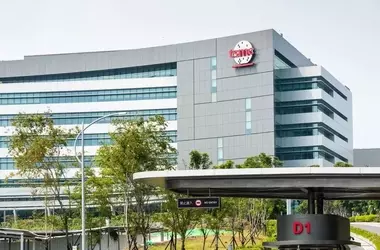
Taiwan Semiconductor Navigates Helium Supply Challenges and Strong Market Performance
Taiwan Semiconductor Manufacturing Co. (TSMC) is demonstrating resilience against short-term helium supply disruptions, according to EFM Asset Management's Daniel Heyler. Despite rising demand for helium in advanced chipmaking, TSMC is well-prepared with inventory and recycling measures. The company also shows robust financial performance and positive analyst outlook ahead of its earnings report.
Di T. Harv Eker Apr 14, 2026
Avanos Medical to Undergo $1.27 Billion All-Cash Acquisition
Avanos Medical, a prominent medical device manufacturer, is set to be acquired by American Industrial Partners in an all-cash transaction valued at approximately $1.27 billion. This deal offers Avanos stockholders $25.00 per share, marking a significant premium of 72.1% over its recent closing stock price. The acquisition underscores confidence in Avanos's future growth and innovation, following a strong earnings report where the company surpassed analyst expectations.
Di Bola Sokunbi Apr 14, 2026
Lucid Motors Secures New Leadership and Substantial Funding, Boosting Stock and Autonomous Vehicle Expansion
Lucid Motors recently announced a new CEO, Silvio Napoli, and secured $750 million in fresh capital from Saudi Arabia's Public Investment Fund (PIF) and Uber. This strategic move aims to accelerate the production of its Gravity SUV, develop a new midsize EV, and significantly expand its robotaxi partnership with Uber, increasing the EV fleet commitment to 35,000 vehicles. The news led to a stock rebound, despite a 60% decline over the past year.
Di Vicki Robin