 Notizie di ultima ora e aggiornamenti in tempo reale
- Notizie di ultima ora e aggiornamenti in tempo reale
- Notizie di ultima ora e aggiornamenti in tempo reale
- Notizie di ultima ora e aggiornamenti in tempo reale
- Notizie di ultima ora e aggiornamenti in tempo reale
- Notizie di ultima ora e aggiornamenti in tempo reale
- Notizie di ultima ora e aggiornamenti in tempo reale
- Notizie di ultima ora e aggiornamenti in tempo reale
- Notizie di ultima ora e aggiornamenti in tempo reale
- Notizie di ultima ora e aggiornamenti in tempo reale
Integrating a New Canine Companion into Your Home: A Comprehensive Guide
Bringing a new dog into a household with existing pets, whether other canines or felines, is often portrayed as idyllically simple, a notion frequently reinforced by curated online content. In reality, the process can be complex, necessitating thoughtful management and realistic expectations. While some animals may form bonds instantly, others require considerable time and effort to adapt to new companions. As a pet owner, you cannot dictate the nature of the relationships your animals will forge; however, you can significantly enhance the likelihood of a peaceful coexistence through meticulously planned introductions. Implementing effective strategies from day one is crucial for setting a positive foundation for all residents.
A critical aspect of facilitating successful introductions involves interpreting your pets' non-verbal signals. Animals communicate extensively through their posture, movements, and facial expressions, providing invaluable insights into their emotional states. Recognizing signs of comfort and relaxation allows for the continuation of introductions, while detecting indicators of fear, anxiety, or aggression necessitates immediate intervention to prevent escalation. Beginning introductions in an impartial setting, away from established territories, is also paramount. This approach minimizes territorial disputes, allowing pets to encounter each other without the pressure of defending their personal spaces. Gradual, controlled interactions, where pets are given opportunities to acclimatize to each other's presence and scent before direct physical contact, are key to fostering mutual acceptance. Furthermore, it is essential to provide each animal with their own dedicated resources, such as food bowls, water dishes, and resting areas, and to ensure they each have a secluded retreat where they can feel secure and undisturbed.
Throughout the integration period, constant supervision of interactions is vital. Positive behaviors should be reinforced, and any signs of tension or aggression must be addressed promptly by redirecting attention or temporarily separating the pets. Experts advise against leaving pets unsupervised together until their comfort and trust are firmly established. This entire process demands considerable patience and a willingness to progress at the animals' pace. Rushing introductions often leads to setbacks and can create long-term behavioral issues. By diligently following these guidelines, pet owners can cultivate a welcoming and stable environment, allowing all their beloved animals to thrive together harmoniously. The reward of a household filled with happy, well-adjusted pets is well worth the dedication and effort invested.
Altri articoli
 Jan 13, 2026
Bringing Home a Rescue: A Guide to Integrating Your New Canine Companion
Adopting a shelter dog is a fulfilling experience, but it comes with unique challenges. This guide offers essential advice from experts on understanding and managing your new companion's behavior, especially during the crucial adjustment period. Learn how to interpret their body language, navigate initial behavioral quirks like potty accidents or wariness towards family members, and foster a positive, lasting relationship. The article emphasizes patience, setting up safe spaces, establishing routines, and gradually introducing your dog to their new life and environment.
Jan 13, 2026Comprehensive Guide to Puppy Training Essentials
This article offers an in-depth guide for new puppy parents on how to effectively train their young dogs. It covers crucial steps like puppy-proofing your home, employing positive reinforcement, teaching focus, mastering leash manners, ensuring recall, practicing 'stay' commands, and desensitizing them to handling. The piece emphasizes consistency and play in training, and explores the ideal age to start, while also addressing whether professional help is necessary.
Jan 13, 2026Comprehensive Guide to Training a Rescue Dog
Adopting a rescue dog, while rewarding, comes with unique challenges due to their unknown backgrounds. This guide emphasizes the importance of building a strong bond, establishing routines, and implementing effective training techniques like crate and potty training, alongside essential basic cues such as 'stay,' 'sit,' 'drop it,' and recall. It also highlights the benefits of professional obedience classes to navigate difficulties and ensure a successful integration into their new home.
Jan 13, 2026The Profound Impact of Pet Parenting Styles on Animal Behavior and Well-being
This article explores how pet parenting styles significantly influence the behavior and emotional health of dogs and cats, drawing parallels with human child-parent relationships. Scientific studies highlight the deep attachment pets form with their caregivers and demonstrate how different parenting approaches—authoritative, authoritarian, and permissive—lead to varied behavioral outcomes. It emphasizes the importance of positive reinforcement, consistent expectations, and understanding a pet's needs to foster a strong, confident, and healthy companion.
 Jan 12, 2026
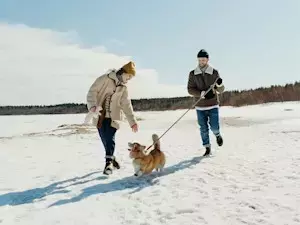
Overcoming Canine Snow Aversion: Solutions for Winter Potty Breaks
Winter weather, with its heavy snowfall and freezing temperatures, often poses a challenge for dog owners when it comes to their pets' potty habits. Many dogs develop an aversion to relieving themselves in the snow, leading to frustration for owners and discomfort for the animals. This article explores the reasons behind this behavior, from sensory discomfort to confusion about new surfaces, and provides practical tips to help dogs adapt and make winter outdoor excursions more manageable for both pets and their human companions.
 Jan 12, 2026
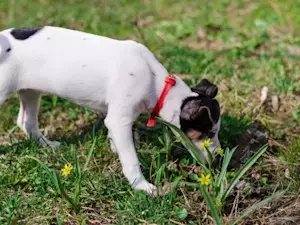
Unleashing Canine Superpowers: The Rise of Nose Work for Dogs
Nose work, a rapidly growing recreational sport, leverages dogs' extraordinary sense of smell for a fun and competitive activity. Developed in 2006 by experienced trainers, it allows dogs to locate hidden scents and alert their handlers. This sport offers significant physical and mental benefits, accommodates all dog types, and fosters a deeper bond between pets and their owners by emphasizing canine natural abilities.