 Notizie di ultima ora e aggiornamenti in tempo reale
- Notizie di ultima ora e aggiornamenti in tempo reale
- Notizie di ultima ora e aggiornamenti in tempo reale
- Notizie di ultima ora e aggiornamenti in tempo reale
- Notizie di ultima ora e aggiornamenti in tempo reale
- Notizie di ultima ora e aggiornamenti in tempo reale
- Notizie di ultima ora e aggiornamenti in tempo reale
- Notizie di ultima ora e aggiornamenti in tempo reale
- Notizie di ultima ora e aggiornamenti in tempo reale
- Notizie di ultima ora e aggiornamenti in tempo reale
Coronary Heart Disease: Mechanisms, Clinical Features, and Public Health Context

I. Clear Objective
The objective of this article is to clarify what coronary heart disease is, how it develops, and how it is addressed within contemporary medicine and public health. The structure follows a strict sequence:
- Definition and foundational concepts
- Core biological mechanisms and pathophysiology
- Comprehensive overview of epidemiology, symptoms, diagnosis, and management
- Summary and outlook
- Question-and-answer section
All content is descriptive and evidence-based.
II. Fundamental Concept Explanation
Coronary heart disease is a disorder affecting the coronary arteries, which supply oxygen-rich blood to the myocardium (heart muscle). The condition most commonly results from atherosclerosis, a process in which fatty deposits, cholesterol, inflammatory cells, and fibrous tissue accumulate within the arterial wall, forming plaques. Over time, these plaques narrow the vessel lumen and may restrict blood flow.
When myocardial oxygen demand exceeds supply due to arterial narrowing, symptoms such as chest discomfort may occur. If a plaque ruptures and forms a blood clot that abruptly blocks blood flow, myocardial infarction (commonly referred to as a heart attack) can result.
III. Core Mechanisms and In-Depth Explanation
1. Atherosclerosis Development
Atherosclerosis begins with endothelial dysfunction, often associated with factors such as elevated low-density lipoprotein (LDL) cholesterol, hypertension, smoke, diabetes, and systemic inflammation. LDL particles infiltrate the arterial wall and undergo oxidation. This process triggers an inflammatory response involving macrophages, which engulf lipids and form foam cells. Accumulation of these cells contributes to fatty streak formation.
As plaques mature, they develop a fibrous cap covering a lipid-rich core. Plaque instability or rupture can activate the coagulation cascade, leading to thrombus formation and acute coronary syndromes.
2. Myocardial Ischemia
The heart requires continuous oxygen supply to maintain contractile function. When coronary blood flow is limited, ischemia may develop. Transient ischemia often manifests as angina pectoris. Prolonged and complete occlusion of a coronary artery can result in myocardial cell deaths.
3. Risk Factors
Risk factors are commonly categorized as modifiable and non-modifiable:
Non-modifiable factors:
- Age
- Genetic predisposition
Modifiable factors:
- Elevated cholesterol levels
- Hypertension
- Diabetes mellitus
- Sedentary lifestyle
- Obesity
The Global Burden of Disease Study identifies high blood pressure and high LDL cholesterol among the leading contributors to cardiovascular mortality worldwide.
IV. Comprehensive Overview and Objective Discussion
1. Epidemiology
Cardiovascular diseases account for approximately one third of global deaths. The WHO reports that more than three quarters of cardiovascular deaths occur in low- and middle-income countries. In high-income countries, mortality rates from coronary heart disease have declined over recent decades, largely associated with improvements in prevention, early detection, and treatment strategies.
2. Clinical Presentation
Symptoms vary in intensity and pattern. Common manifestations include:
- Chest pain or pressure (angina)
- Shortness of breath
- Fatigue
- Pain radiating to the arm, neck, or jaw
Some individuals may experience atypical symptoms or remain asymptomatic until a major event occurs.
3. Diagnostic Approaches
Diagnosis may involve:
- Clinical evaluation and risk assessment
- Electrocardiography (ECG)
- Cardiac biomarkers (e.g., troponin in acute settings)
- Stress testing
- Coronary computed tomography angiography
- Invasive coronary angiography
These tools assess myocardial ischemia, structural abnormalities, and arterial obstruction.
4. Treatment and Management
Management strategies generally include lifestyle modification, pharmacological therapy, and interventional procedures when indicated. Medications may include antiplatelet agents, lipid-lowering therapies, beta-blockers, and other agents depending on clinical context. Interventions such as percutaneous coronary intervention (PCI) or coronary artery bypass grafting (CABG) may be used in certain cases.
International guidelines from organizations such as the American Heart Association (AHA) and the European Society of Cardiology (ESC) provide standardized frameworks for diagnosis and management.
5. Public Health Perspective
Population-level prevention strategies focus on reducing tobaccos use, improving dietary patterns, promoting physical activity, and controlling hypertension and hyperlipidemia. Epidemiological data indicate that prevention and risk factor control have contributed to declining mortality in several regions, although global burden remains substantial.
V. Summary and Outlook
Coronary heart disease is a condition characterized by impaired blood flow to the heart muscle due to atherosclerotic narrowing of the coronary arteries. Its biological foundation involves endothelial dysfunction, lipid accumulation, inflammation, and thrombotic processes. The disease remains a leading cause of mortality worldwide.
Advances in diagnostic imaging, pharmacotherapy, and interventional cardiology continue to refine management approaches. Ongoing research explores genetic factors, inflammatory pathways, and emerging therapeutic strategies. Despite technological progress, prevention and risk factor modification remain central components of public health strategies.
VI. Question-and-Answer Section
Q1: What is the difference between coronary heart disease and cardiovascular disease?
Cardiovascular disease is a broad term encompassing disorders of the heart and blood vessels. Coronary heart disease specifically refers to disease affecting the coronary arteries.
Q2: Is coronary heart disease the same as a heart attack?
No. Coronary heart disease describes the underlying arterial narrowing. A heart attack (myocardial infarction) is an acute event often resulting from sudden blockage of a coronary artery.
Q3: Can coronary heart disease occur without symptoms?
Yes. Some individuals may not experience noticeable symptoms until advanced stages or an acute event.
Q4: What role does cholesterol play?
Elevated LDL cholesterol contributes to plaque formation within arterial walls, which can narrow or block blood flow.
Q5: Is coronary heart disease preventable?
Risk reduction strategies targeting modifiable factors are associated with decreased incidence at the population level, although individual risk varies.
https://www.who.int/news-room/fact-sheets/detail/cardiovascular-diseases-(cvds)
https://www.cdc.gov/heartdisease/facts.htm
https://www.thelancet.com/gbd
https://www.ahajournals.org/doi/10.1161/CIR.0000000000001038
https://www.escardio.org/Guidelines/Clinical-Practice-Guidelines/Chronic-Coronary-Syndromes
Altri articoli
 Feb 12, 2026
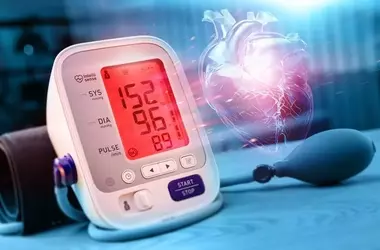
Hypertension (High Blood Pressure): Definitions, Mechanisms, Public Health Context, and Perspectives
Hypertension, commonly referred to as high blood pressure, is a chronic medical condition characterized by persistently elevated pressure within the arterial system. It is widely recognized as a major contributor to cardiovascular disease, stroke, kidney impairment, and other health complications. This article provides a structured and neutral overview of hypertension. It begins by defining the condition and outlining the objective of the discussion. It then explains foundational concepts related to blood pressure measurement, explores the physiological mechanisms underlying hypertension, presents a comprehensive and balanced discussion of its global impact, risk factors, and management approaches, and concludes with a forward-looking summary. A question-and-answer section addresses common points of clarification. All information is presented solely for educational purposes.
 Di Dr. Hannah Fischer
 Feb 11, 2026
Coronary Heart Disease: A Neutral Scientific Overview of Definition, Mechanisms
Coronary heart disease (CHD), also known as coronary artery disease, is a condition characterized by the narrowing or blockage of the coronary arteries due to atherosclerosis, resulting in reduced blood flow to the heart muscle. This article provides a structured and neutral scientific overview of coronary heart disease. It defines the condition, explains the biological mechanisms involved, examines epidemiological patterns and clinical manifestations, and outlines diagnostic and management principles in an objective manner. The discussion follows a clear sequence: objective clarification, foundational concepts, in-depth mechanism analysis, comprehensive contextual review, summary and outlook, and a question-and-answer section.
 Di Dr. Marcus Lee
 Feb 05, 2026
Diabetes Management: A Scientific Overview of Principles, Mechanisms, and Monitoring
Diabetes management refers to the structured approach of monitoring, controlling, and understanding blood glucose levels and associated metabolic parameters in individuals with diabetes. This article provides a neutral, educational overview of diabetes management, describing its objectives, fundamental concepts, physiological mechanisms, and interpretive context. It examines both type 1 and type 2 diabetes in terms of management strategies without offering recommendations or endorsements. The discussion follows a structured path: defining objectives, explaining basic concepts, analyzing core mechanisms, presenting a comprehensive and objective discussion, summarizing findings and outlook, and concluding with a factual question-and-answer section. The content is strictly informational and intended solely for knowledge dissemination.
Di Dr. Marcus Lee