 Notizie di ultima ora e aggiornamenti in tempo reale
- Notizie di ultima ora e aggiornamenti in tempo reale
- Notizie di ultima ora e aggiornamenti in tempo reale
- Notizie di ultima ora e aggiornamenti in tempo reale
- Notizie di ultima ora e aggiornamenti in tempo reale
- Notizie di ultima ora e aggiornamenti in tempo reale
- Notizie di ultima ora e aggiornamenti in tempo reale
- Notizie di ultima ora e aggiornamenti in tempo reale
- Notizie di ultima ora e aggiornamenti in tempo reale
- Notizie di ultima ora e aggiornamenti in tempo reale
Concerns Over Seine River Water Quality for Paris Olympics Swimming Events
The upcoming Paris Olympic Games have brought to light considerable worries surrounding the suitability of the Seine River for aquatic competitions. Despite assurances from organizers and successful pre-event testing, the history of pollution in the river, coupled with incidents of athletes falling ill, has ignited a global discussion on public health and environmental standards for major sporting events. This scenario underscores the challenges faced by host cities in balancing urban infrastructure with ecological responsibilities, especially when iconic natural landmarks are integrated into competitive sports. The continuous scrutiny has prompted various preventative measures and contingency planning, aiming to ensure athlete safety while upholding the integrity of the Olympic spirit amidst environmental complexities.
Seine River Water Quality: A Major Olympic Challenge
As the Paris Olympic Games approached, a significant cloud of uncertainty loomed over the aquatic events scheduled to take place in the Seine River. The central question wasn't just about athletic performance, but critically, whether the river's waters would meet safety standards for competitive swimming. This concern gained momentum as practice sessions for the individual triathlons saw their swimming segments cancelled due to water quality issues. When these events eventually proceeded, participants vocalized their discontent with the conditions. Further exacerbating these fears, several athletes subsequently reported feeling unwell after competing in the Seine, casting a shadow over the river's safety.
The gravity of the situation was highlighted when Belgium withdrew from a mixed-relay event after one of its athletes, Claire Michel, experienced gastrointestinal symptoms, although she later attributed her illness to a virus. Nevertheless, this incident amplified existing concerns among athletes and public health specialists regarding the decision to utilize the historically polluted Parisian waterway for Olympic events. Experts pointed out that swimming in the Seine had been prohibited for a century due to chronic contamination from sewage and agricultural runoff. Heavy rainfall, ironically, worsens the situation by flushing more waste into the river, a factor observed just before the triathlon events. While officials cited compliance with bacterial limits based on last-minute tests, microbiologists warned that such tests might not fully guarantee the absence of all harmful pathogens, maintaining a cautious stance on the overall safety of swimming in the Seine.
Athlete Protection and Contingency Planning for Seine Events
In response to the pervasive anxieties about water quality, athletes and their teams began adopting various protective measures to mitigate health risks. Given the competitive stakes, simply abstaining from participation was not a viable option for most. Therefore, strategies focused on reducing exposure to potential contaminants. A primary recommendation from experts was for swimmers to consciously avoid ingesting river water, a difficult but crucial task during intense competition. Beyond this, some teams, notably Great Britain, implemented prophylactic measures such as administering probiotics to their athletes, a strategy also embraced by individual competitors like Taylor Spivey from Team USA.
The scientific rationale behind probiotics in this context is their ability to 'outcompete' harmful bacteria in the gut, thereby potentially lessening the severity and duration of any illness. Post-swim, rigorous disinfection protocols were also advised and adopted; Team Great Britain ensured their triathletes underwent thorough scrubbing with disinfectant immediately after exiting the water. This practice, endorsed by microbiologists, is vital for preventing skin infections and reducing the spread of pathogens, especially when coupled with diligent hand washing. While innovative, these measures underscore the extraordinary precautions necessitated by the river's compromised state. Should water quality fall below acceptable thresholds, organizers have a contingency plan to relocate the marathon swim events to the Vaires-sur-Marne Nautical Stadium, ensuring athlete safety remains paramount while striving to uphold the Olympic schedule.
Altri articoli
 Mar 26, 2026
20 Fitness Insights for a Healthier You
This article offers 20 essential fitness truths for anyone seeking a more balanced and effective workout routine. Drawing on nearly two decades of experience, the author, a certified personal trainer, shares practical advice on everything from finding enjoyable exercises and mastering basics to understanding rest days and navigating social media's impact on fitness. It emphasizes sustainable habits over fleeting trends, aiming to empower individuals to build a healthier relationship with movement.
 Mar 26, 2026
Essential Running Gloves: Your Guide to Warmth and Performance
Discover the ideal running gloves to keep your hands comfortable and functional in cold weather. This comprehensive guide, based on expert recommendations and rigorous testing, explores various styles, materials, and features, helping you select the perfect pair to enhance your winter running experience. From lightweight options to insulated mittens, find the gloves that will keep your fingers warm and agile on every run.
 Mar 26, 2026
Top ASICS Running Shoes: A Comprehensive Guide for Every Runner
Discover the optimal ASICS running shoes tailored for various needs, from daily training to competitive racing. This guide leverages expert insights to highlight models offering superior support, cushioning, stability, and speed, ensuring a perfect fit for diverse foot types and running preferences. Learn how ASICS' innovative designs enhance performance and comfort, making them a top choice for runners at all levels.
 Mar 26, 2026
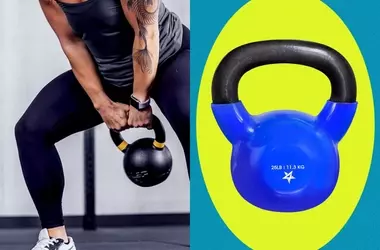
Top Kettlebell Selections for Enhanced Home Workouts
Discover the ideal kettlebells to elevate your home fitness routine. This comprehensive guide reviews various types, from adjustable options to budget-friendly and highly durable models. Learn how kettlebells can build strength and endurance, offering versatility for a wide array of exercises. Expert insights highlight key features like material, grip, and weight accuracy to help you choose the perfect equipment for your fitness journey and maximize your workout potential.
 Mar 26, 2026
Mastering the Single-Arm Dumbbell Row: A Comprehensive Guide to Strength and Stability
The single-arm dumbbell row is a highly effective functional exercise that strengthens various upper-body muscles, including the lats, rear deltoids, rhomboids, and biceps, while also engaging the core. This guide explores its benefits, common mistakes to avoid, and how to integrate it into your fitness regimen for improved strength, posture, and balance.
 Mar 26, 2026
Sophia Smith's Pre-Olympics Nightly Rituals for Optimal Performance
Sophia Smith, a rising star in US women's soccer, shares her evolving bedtime routine essential for her athletic career. She emphasizes prioritizing personal well-being over external influences, especially as she prepares for the Olympics after previous team setbacks. Her holistic approach focuses on physical recovery, maintaining skin health, and creating a peaceful home environment to manage the demands of elite-level play.