 Noticias de última hora y actualizaciones en vivo
- Noticias de última hora y actualizaciones en vivo
- Noticias de última hora y actualizaciones en vivo
- Noticias de última hora y actualizaciones en vivo
- Noticias de última hora y actualizaciones en vivo
- Noticias de última hora y actualizaciones en vivo
- Noticias de última hora y actualizaciones en vivo
- Noticias de última hora y actualizaciones en vivo
- Noticias de última hora y actualizaciones en vivo
- Noticias de última hora y actualizaciones en vivo
What Is Type 2 Diabetes? Causes and Risk Factors

Type 2 Diabetes Mellitus (T2DM) is a chronic metabolic condition characterized by persistent hyperglycemia (elevated blood glucose) resulting from the body's ineffective use of insulin or insufficient insulin production. Unlike Type 1 diabetes, which involves an autoimmune destruction of insulin-producing cells, Type 2 diabetes is primarily defined by a progressive resistance to insulin action combined with a gradual decline in pancreatic beta-cell function. This article provides a neutral, science-based exploration of the condition, detailing the biochemical role of insulin, the mechanical progression of insulin resistance, and the objective analysis of genetic and lifestyle risk factors. The following sections follow a structured trajectory: defining the foundational principles of glucose metabolism, explaining the core mechanisms of metabolic dysfunction, presenting a comprehensive view of epidemiological risk factors, and concluding with a technical inquiry section to address common questions regarding the pathophysiology of the disease.

1. Basic Conceptual Analysis: Glucose and Insulin Homeostasis
To understand Type 2 diabetes, one must first identify the normal physiological process of energy regulation within the human body.
The Role of Glucose
Glucose serves as the primary energy source for the body's cells. It enters the bloodstream through the digestion of carbohydrates or is released by the liver during periods of fasting. To maintain health, the concentration of glucose in the blood must be kept within a narrow range.
The Function of Insulin
Insulin is a hormone produced by the beta cells of the pancreas. Its primary function is to act as a "key" that allows glucose to exit the bloodstream and enter cells (specifically muscle, fat, and liver cells) to be used for energy or stored for later use.
Definition of Hyperglycemia
When the insulin mechanism fails—either because cells stop responding to it or the pancreas cannot produce enough—glucose remains in the blood. Over time, this state of chronic hyperglycemia can lead to systemic physiological changes affecting the cardiovascular, renal, and nervous systems.
2. Core Mechanisms: Insulin Resistance and Beta-Cell Dysfunction
The development of Type 2 diabetes is generally a slow process involving two interrelated mechanical failures.
Mechanism A: Insulin Resistance
Insulin resistance occurs when cells in the muscles, fat, and liver do not respond appropriately to insulin. Even though the hormone is present, the "locks" on the cell membranes become less sensitive.
- The Compensatory Phase: Initially, the pancreas responds by producing more insulin to overcome this resistance and keep blood sugar levels normal.
- The Threshold: Eventually, the cells' resistance increases to a point where even high levels of insulin are insufficient to move glucose effectively.
Mechanism B: Beta-Cell Exhaustion
As the demand for insulin remains high over several years, the beta cells in the pancreas undergo structural and functional strain.
- Hypertrophy: The cells grow larger to produce more hormone.
- Secretory Defect: The cells lose the ability to release insulin in a timed, efficient manner.
- Decline: In advanced stages of the condition, the total mass of functional beta cells may decrease, leading to an absolute deficiency in insulin production.
The Role of the Liver
In a healthy state, the liver stores glucose as glycogen and releases it when needed. In Type 2 diabetes, the liver often becomes resistant to the signals telling it to stop releasing glucose, contributing to high fasting blood sugar levels even when no food has been consumed.
3. Presenting the Full Picture: Causes and Risk Factors
The etiology of Type 2 diabetes is multifactorial, involving a complex interplay between an individual's genetic blueprint and their environment.
Genetic Predisposition
Research indicates a strong hereditary component to Type 2 diabetes. Studies involving twins suggest that genetics play a significant role in determining how well an individual's beta cells can handle metabolic stress. Variations in over 40 different genes have been associated with an increased risk of the condition.
Objective Risk Factors
According to the World Health Organization (WHO) and the International Diabetes Federation (IDF), several measurable factors correlate with the incidence of T2DM.
| Risk Factor Category | Description | Physiological Impact |
| Weight Distribution | Excessive adipose tissue, particularly around the abdomen (visceral fat). | Adipose tissue releases pro-inflammatory cytokines that interfere with insulin signaling. |
| Physical Inactivity | Lack of regular muscular movement. | Muscle contraction is a primary driver of glucose uptake; inactivity reduces insulin sensitivity. |
| Age | Increased incidence in individuals over age 45. | Natural decline in beta-cell function and changes in muscle mass associated with aging. |
| Ethnicity | Higher prevalence in certain populations (e.g., Hispanic, African American, Asian). | Likely due to a combination of genetic factors and socioeconomic environmental influences. |
| History of Gestational Diabetes | Development of high blood sugar during pregnancy. | Indicates a latent predisposition to metabolic stress. |
Polycystic Ovary Syndrome (PCOS)
For women, PCOS is a significant risk factor. It is characterized by hormonal imbalances and is frequently associated with systemic insulin resistance, regardless of body weight.
4. Summary and Future Outlook: The Global Landscape
Type 2 diabetes is currently one of the most prevalent non-communicable diseases worldwide. Data from the Centers for Disease Control and Prevention (CDC) suggests that approximately 1 in 10 Americans has diabetes, with Type 2 accounting for 90-95% of all cases.
Current Trends in Research:
- Precision Medicine: Efforts to categorize Type 2 diabetes into subtypes based on whether the primary issue is insulin resistance or beta-cell failure to allow for more specific management.
- Microbiome Influence: Investigating how the bacteria in the human gut may influence glucose metabolism and systemic inflammation.
- Environmental Interaction: Studying how modern urban environments (sedentary work, processed food availability) interact with "thrifty" genes that were once beneficial for survival during food shortages.
5. Q&A: Clarifying Common Technical Inquiries
Q: Is Type 2 diabetes the same as "Sugar Diabetes"?
A: While the term is often used colloquially, it is technically a misnomer. The condition is not caused by the ingestion of sugar alone, but by a systemic failure of the body to manage glucose, which can come from any carbohydrate source or from the liver's own production.
Q: Can Type 2 diabetes be reversed?
A: Clinical literature often uses the term "remission" rather than "reversal." In some cases, significant weight loss and dietary changes can return blood glucose levels to a non-diabetic range. However, the underlying genetic predisposition and the history of beta-cell strain remain, meaning the condition can reappear if previous habits return.
Q: How does high blood pressure relate to Type 2 diabetes?
A: The two conditions often coexist as part of "Metabolic Syndrome." High blood pressure can damage the small blood vessels throughout the body, compounding the vascular damage caused by high glucose levels.
Q: Why does the risk increase with age?
A: As the body ages, there is often a natural increase in body fat percentage and a decrease in muscle mass (sarcopenia). Since muscle is the primary site for glucose disposal, losing muscle mass makes it harder for the body to maintain glucose homeostasis.
Q: What is the difference between Pre-diabetes and Type 2 Diabetes?
A: The difference is defined by clinical thresholds of blood glucose or Hemoglobin A1c ($HbA1c$) levels. Pre-diabetes is a state where glucose levels are higher than normal but have not yet reached the criteria for a diabetes diagnosis. It serves as a physiological warning sign of progressing insulin resistance.
This article serves as an informational resource regarding the scientific nature of Type 2 diabetes. For individualized medical evaluation, diagnostic assessment, or the development of a health management plan, consultation with a licensed healthcare professional is essential.

Otros artículos
 Dec 29, 2025
Leukemia: A Scientific Exploration of Blood and Bone Marrow Disorders
The human circulatory system relies on a precise balance of specialized cells to transport oxygen, fight infections, and prevent bleeding. This balance is maintained by the bone marrow, the soft tissue inside bones where blood cells are manufactured.Leukemiais a group of cancers that originate in this blood-forming tissue, characterized by the rapid production of abnormal white blood cells. These dysfunctional cells eventually overwhelm the healthy components of the blood, impairing the body’s essential biological functions. This article provides a neutral, science-based overview of the condition, aimed at clarifying its physiological roots and clinical complexities. The discussion will progress from a breakdown of blood cell types to the genetic triggers of cellular mutation, followed by an objective presentation of current management strategies and global health data. By navigating from cellular biology to practical Q&A, this resource serves as an informative guide for understanding the mechanisms and implications of hematopoietic malignancies.
 Por Amina Ben Youssef
 Dec 29, 2025
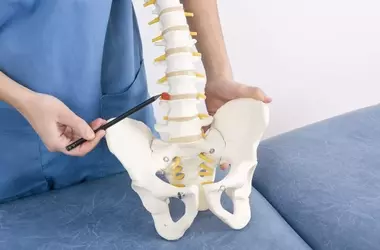
Understanding Lumbar Disc Herniation: A Scientific Perspective on Spinal Health
The human spine serves as a vital structural pillar, balancing the demands of flexibility and load-bearing. Central to this architecture are the intervertebral discs, which function as hydraulic shock absorbers between the vertebrae.Lumbar Disc Herniation (LDH)is a condition where the soft, inner material of these discs displaces through a structural weakness in the outer layer, potentially affecting surrounding nerves in the lower back. This article provides an objective, science-based exploration of the condition, aimed at clarifying its biological foundations and clinical realities. The discussion will progress from an anatomical breakdown to the chemical and mechanical triggers of nerve irritation, followed by a neutral presentation of current management strategies and global health data. By following this structured path, readers can gain a factual understanding of the mechanisms behind disc displacement and the evolving standards of spinal care.
 Por Anjali Deshpande
 Dec 26, 2025
Understanding Osteoarthritis: A Physiological and Clinical Overview
Osteoarthritis (OA)is a chronic degenerative joint condition characterized by the progressive breakdown of articular cartilage, changes to the underlying bone, and secondary inflammation of the joint lining. Unlike systemic inflammatory joint conditions, OA is primarily a localized disorder involving the "wear and tear" of the joint's mechanical components, although recent research emphasizes the role of cellular metabolism and low-grade inflammation. This article provides a neutral, evidence-based exploration of the condition, detailing the anatomical structure of joints, the biochemical pathways of cartilage degradation, the objective risk factors associated with its development, and the current frameworks for clinical monitoring. The following sections follow a structured trajectory: defining the foundational biology of synovial joints, explaining the core mechanisms of tissue degeneration, presenting a comprehensive view of global health metrics, and concluding with a technical inquiry section to address common questions regarding joint health maintenance.
 Por Dr. Sarah Johnson