 Noticias de última hora y actualizaciones en vivo
- Noticias de última hora y actualizaciones en vivo
- Noticias de última hora y actualizaciones en vivo
- Noticias de última hora y actualizaciones en vivo
- Noticias de última hora y actualizaciones en vivo
- Noticias de última hora y actualizaciones en vivo
- Noticias de última hora y actualizaciones en vivo
- Noticias de última hora y actualizaciones en vivo
- Noticias de última hora y actualizaciones en vivo
- Noticias de última hora y actualizaciones en vivo
What Is a Generic Medication and How Is It Approved?

A generic medication is a pharmaceutical product that is created to be the same as an already marketed brand-name product in dosage form, safety, strength, route of administration, quality, performance characteristics, and intended use. The primary purpose of generic development is to provide accessible options for public health maintenance once the patents and exclusivity periods of the original developer have expired. This article provides a neutral, technical analysis of the generic pharmaceutical landscape, examining the chemical requirements for bioequivalence, the rigorous Abbreviated New Drug Application (ANDA) process, and the regulatory standards enforced by health authorities. The following sections will detail the distinction between "sameness" and "identity," the scientific mechanisms used to prove therapeutic equivalence, and an objective overview of the global regulatory framework governing these products.

1. Basic Conceptual Analysis: Identity, Strength, and Quality
A generic product must be a "pharmaceutical equivalent" to the brand-name (reference) product. This means it contains the identical active ingredient(s) in the same concentration and dosage form.
The Concept of Sameness
To meet regulatory standards, a generic must demonstrate sameness in several key areas:
- Active Ingredient: The chemical substance responsible for the therapeutic effect must be the same.
- Strength: The amount of the active ingredient (e.g., 500 mg) must be identical.
- Dosage Form: If the brand is a delayed-release capsule, the generic must also be a delayed-release capsule.
- Route of Administration: It must be administered in the same way (e.g., oral, topical, or intravenous).
Differences in Inactive Ingredients
While the active ingredient must be the same, generic products are permitted to have different inactive ingredients, known as "excipients" (such as binders, fillers, or flavoring). Regulatory agencies require that these differences do not affect the safety or performance of the product.
Regulatory and Statistical Context
According to the U.S. Food and Drug Administration (FDA), generic medications account for approximately 90% of prescriptions filled in the United States, yet they represent only a small fraction of total healthcare spending. The World Health Organization (WHO) promotes the use of generic names (International Nonproprietary Names) to ensure clear communication across international borders.
2. Core Mechanisms: Bioequivalence and the ANDA Process
Unlike the original developers, generic manufacturers are not required to repeat the extensive animal and clinical trials that established the safety and efficacy of the active ingredient. Instead, they must submit an Abbreviated New Drug Application (ANDA).
Proving Bioequivalence
The core scientific mechanism for generic approval is the "Bioequivalence Study." This study measures how much of the substance reaches the bloodstream and how long it takes to get there.
- Cmax: The peak concentration of the substance in the blood.
- Tmax: The time it takes to reach that peak concentration.
- AUC (Area Under the Curve): The total amount of the substance absorbed by the body over time.
For a product to be considered bioequivalent, the statistical "confidence interval" of the generic product's absorption must fall within a specific range (typically 80% to 125%) of the brand-name product's absorption. This ensure that there is no significant difference in the rate and extent to which the active ingredient becomes available at the site of action.
Manufacturing and Quality Control
Generic manufacturers must prove that they can produce the medication consistently. This involves:
- Chemistry and Stability: Data showing the product remains stable over its intended shelf life.
- Microbiology: Ensuring the manufacturing environment is sterile where necessary.
- Good Manufacturing Practices (GMP): Adherence to strict facility standards that are the same as those required for brand-name manufacturers.
3. Presenting the Full Picture: Objective Discussion and Market Dynamics
The generic sector operates under a different economic and regulatory logic than the research-based pharmaceutical industry.
The Patent and Exclusivity Framework
Generic versions cannot enter the market until the original developer's legal protections have expired. Patents usually last 20 years from the date of filing, though various "exclusivity" periods may be granted by the FDA to encourage innovation in specific areas.
Comparative Overview: Brand-Name vs. Generic
| Feature | Brand-Name Product | Generic Product |
| Active Ingredient | New Chemical Entity | Identical to Brand |
| Approval Path | New Drug Application (NDA) | Abbreviated New Drug Application (ANDA) |
| Research Requirements | Preclinical and Clinical Trials | Bioequivalence Studies |
| Appearance | Distinctive Shape/Color | Different Shape/Color (Trade Dress) |
| Price | Typically Higher (R&D costs) | Typically Lower (Efficiency) |
Physiological Considerations
While the active ingredient is identical, a very small percentage of individuals may have sensitivities to specific inactive excipients (such as lactose or certain dyes) found in one version of a medication but not another. Regulatory bodies monitor these reports through post-market surveillance systems to ensure ongoing safety across the population.
4. Summary and Future Outlook
The generic pharmaceutical system is a vital component of global health infrastructure, ensuring that once a breakthrough molecule is discovered, it eventually becomes a stable public resource.
Future Directions in Research:
- Complex Generics: Developing pathways for "complex" products, such as metered-dose inhalers or long-acting injectables, which are more difficult to replicate than standard tablets.
- Biosimilars: As biotechnology advances, the focus is shifting toward "biosimilars"—generic versions of large-molecule biological products (like insulin or monoclonal antibodies), which require even more complex structural analysis.
- Global Harmonization: Efforts by the International Council for Harmonisation (ICH) to standardize generic approval requirements across different countries to speed up global access.
- Continuous Manufacturing: Research into automated, high-speed production lines that can further reduce the cost and increase the quality of generic substances.
5. Q&A: Clarifying Common Technical Inquiries
Q: Are generic medications made in the same factories as brand-name ones?
A: In many cases, yes. Some brand-name companies have their own generic subsidiaries, or they contract the same manufacturing facilities to produce both versions of the medication under the same quality control standards.
Q: Why do generic pills look different from the brand-name version?
A: Trademark laws ("Trade Dress") prevent generic manufacturers from making their products look exactly like the brand-name version. Therefore, the color, shape, and size of the generic pill may differ, even though the active ingredient and its effect on the body are the same.
Q: Does it take longer for a generic medication to work?
A: No. Because of the bioequivalence requirements (specifically the Tmax and AUC measurements), a generic medication must demonstrate that it is absorbed at the same rate and to the same extent as the brand-name product.
Q: How does the FDA ensure generics stay safe after they are approved?
A: The FDA monitors the safety of all medications through the MedWatch program. They also conduct regular, unannounced inspections of manufacturing facilities worldwide to ensure that every batch of generic medication continues to meet high-quality standards.
This article serves as an informational resource on the regulatory and scientific frameworks of generic pharmaceuticals. For specific health concerns or to discuss options, individuals should consult a healthcare professional or refer to the official FDA Orange Book for therapeutic equivalence ratings.

Otros artículos
 Dec 24, 2025
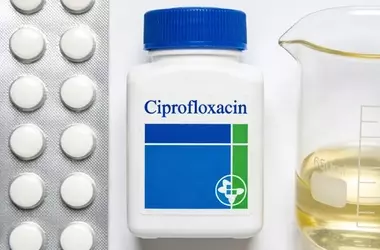
What Is Ciprofloxacin and What Should Patients Know?
Ciprofloxacin is a potent, broad-spectrum antibiotic belonging to the fluoroquinolone class. It is utilized in clinical medicine to address a variety of bacterial infections by interfering with the essential reproductive enzymes of the bacteria. This article provides a technical and neutral overview of ciprofloxacin, examining its chemical structure, the biochemical mechanisms of DNA synthesis inhibition, its pharmacokinetic profile, and the significant regulatory safety updates issued by health authorities. The discussion will navigate from foundational microbiological concepts to core physiological mechanisms, followed by an objective examination of its clinical utility and the necessary precautions for individuals to maintain systemic health during use.
 Por Dr. Ethan Miller
 Dec 24, 2025
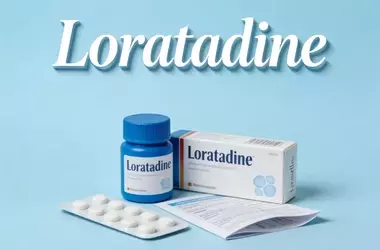
What Is Loratadine and How Does It Help Allergies?
Loratadine is a long-acting, non-sedating second-generation antihistamine used to manage the symptoms of allergic rhinitis and urticaria (hives). Chemically classified as a piperidine derivative, it serves as a selective antagonist for peripheral histamine$H_1$receptors. This article provides a technical and neutral overview of loratadine, exploring its molecular composition, the biochemical pathways it influences, its pharmacokinetic behavior within the human body, and the clinical considerations surrounding its use. The discussion will navigate from foundational concepts to the complex mechanisms of receptor competition, providing an objective analysis of its role in modern allergy management and a look toward future pharmacological developments.
 Por Amina Ben Youssef
 Dec 24, 2025
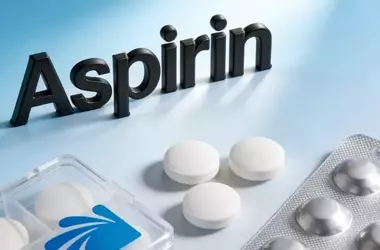
What Is Aspirin Used for in Preventive Care?
Aspirin, chemically known as acetylsalicylic acid, is a salicylate medication traditionally utilized for its analgesic, antipyretic, and anti-inflammatory properties. In the context of preventive care, its application shifts from acute symptom relief to the long-term prophylaxis of cardiovascular events and certain systemic conditions. This article provides a neutral, evidence-based examination of aspirin’s role in preventive medicine, exploring its chemical structure, the biochemical mechanisms of platelet inhibition, the evolving clinical guidelines for its use, and the technical balance between its protective benefits and physiological risks. The following sections will detail the molecule's interaction with enzymatic pathways, a structured discussion on the current standards set by global health authorities, and a forward-looking summary of its place in personalized healthcare.
Por Dr. Ethan Miller