 Noticias de última hora y actualizaciones en vivo
- Noticias de última hora y actualizaciones en vivo
- Noticias de última hora y actualizaciones en vivo
- Noticias de última hora y actualizaciones en vivo
- Noticias de última hora y actualizaciones en vivo
- Noticias de última hora y actualizaciones en vivo
- Noticias de última hora y actualizaciones en vivo
- Noticias de última hora y actualizaciones en vivo
- Noticias de última hora y actualizaciones en vivo
- Noticias de última hora y actualizaciones en vivo
Understanding Tinnitus Treatment: A Comprehensive Scientific Overview

Tinnitus is defined as the perception of sound in the absence of an external acoustic stimulus. Often described as ringing, buzzing, or hissing, it is a symptom of an underlying condition rather than a disease itself. This article explores the various therapeutic pathways currently available for managing this auditory phenomenon. The following sections will detail the biological foundations of the condition, examine the mechanisms behind different treatment modalities, provide an objective overview of the clinical landscape, and conclude with a look at future research directions and frequently asked questions.
Basic Concepts and Classification
To understand the scope of treatment, it is essential to distinguish between the two primary types of tinnitus:
- Subjective Tinnitus: The most common form, where sound is audible only to the individual. It is typically linked to problems in the auditory nerves or the parts of the brain that interpret nerve signals as sound.
- Objective Tinnitus: A rare form where a clinician can actually hear the sound during an examination. This is usually caused by physical issues like blood vessel problems, middle ear bone conditions, or muscle contractions.
Treatment approaches are generally categorized into symptomatic management, which aims to reduce the perceived intensity of the sound, and etiological treatment, which addresses the specific physical cause if one is identified (such as earwax impaction or vascular abnormalities).
Core Mechanisms and In-Depth Explanation
The mechanisms of tinnitus treatment are rooted in neurobiology and audiology. When the auditory system is damaged—often through noise exposure or aging—the brain may attempt to compensate for the loss of sensory input. This compensation often manifests as "phantom" sounds.
1. Habituation and Neural Plasticity
Many treatments rely on the brain's ability to "habituate," or filter out repetitive, non-threatening stimuli. Just as a person stops noticing the hum of a refrigerator, certain therapies aim to train the brain to reclassify tinnitus as background noise.
2. Sound Masking and Enrichment
This mechanism involves introducing external sounds to compete with the internal tinnitus sound. By increasing the "floor" of ambient noise, the contrast between the tinnitus and silence is reduced, making the internal sound less prominent.
3. Neuromodulation
Advanced clinical approaches look at changing the way the brain processes sound. By using electrical or magnetic stimulation, researchers attempt to disrupt the hyperactive neural firing patterns in the auditory cortex that are associated with the perception of ringing.
Presentation of the Therapeutic Landscape
Current management strategies are diverse and often combined into a multidisciplinary plan. Because there is no universal "cure" for subjective tinnitus, the focus remains on improving the quality of life and functional capacity.
Primary Management Modalities
| Category | Specific Intervention | Primary Function |
| Sound Therapy | White noise machines, hearing aid | Overlap or mask the tinnitus sound. |
| Cognitive Therapy | Cognitive Behavioral Therapy (CBT) | Alter the emotional response to the sound. |
| Education | Tinnitus Retraining Therapy (TRT) | Facilitate habituation through counseling. |
| Medical/Surgical | Cochlear implants, vascular repair | Address underlying hearing loss or physical defects. |
Detailed Breakdown of Common Approaches
- Hearing Aid: For individuals with concurrent hearing loss, hearing aid amplify external sounds, which can naturally mask the tinnitus and reduce the strain on the brain to "hear" missing frequencies.
- Behavioral Interventions: These do not remove the sound but focus on reducing the distress associated with it. By addressing the anxiety and attention directed toward the tinnitus, the perceived burden is lowered.
- Pharmacotherapy: Currently, no medication is specifically approved by major regulatory bodies to "cure" tinnitus. However, medications may be used to manage secondary symptoms such as insomnia or anxiety that often accompany severe cases.
Objective Discussion and Evidence
Clinical data suggests that the effectiveness of treatment varies significantly based on the individual's profile.
- Success Rates: According to general clinical observations, approximately 80% of individuals with tinnitus do not find it bothersome. For the remaining 20%, a combination of sound therapy and counseling is considered the standard of care.
- The Placebo Effect: Clinical trials often show a high placebo response in tinnitus studies, emphasizing the strong link between psychological state and sound perception.
- Standardized Care: International guidelines emphasize that while many "supplements" are marketed for ear health, there is currently a lack of high-quality clinical evidence to support their efficacy in treating tinnitus.
Summary and Future Outlook
The field of tinnitus treatment is transitioning from simple sound masking to sophisticated neurological interventions. While traditional methods like hearing aid and CBT remain the cornerstone of management, the scientific community is looking toward the future.
Promising areas of research include:
- Bimodal Neuromodulation: Combining sound stimulation with electrical stimulation of the tongue or neck to "reset" auditory neurons.
- Gene Therapy: Exploring ways to regrow hair cells in the cochlea to restore natural hearing and eliminate the trigger for tinnitus.
- Artificial Intelligence: Using AI to create personalized soundscapes that adapt to the specific frequency of an individual's tinnitus.
Question and Answer Section
Q: Can dietary changes help reduce tinnitus? A: While no specific diet cures tinnitus, some individuals report that reducing caffeine, salt, or alcohol intake helps manage the intensity, likely by stabilizing blood pressure and reducing nervous system excitability.
Q: Is tinnitus always a sign of hearing loss? A: While highly correlated, tinnitus can occur in individuals with normal hearing tests. It may be related to hidden hearing loss or non-auditory factors like jaw (TMJ) disorders or neck tension.
Q: Does noise-canceling technology work for tinnitus? A: Active noise-canceling headphones are designed to block external noise. While useful for protection, they may actually make tinnitus more noticeable by creating a silent environment. Sound "maskers" or "generators" are generally preferred for management.
Q: How long does it take for therapy to work? A: Habituation is a slow biological process. Many programs, such as TRT, typically require 6 to 18 months of consistent application to achieve significant results.
References
Otros artículos
 Dec 22, 2025
Understanding Therapy for Back Pain: A Comprehensive Overview
Back pain is a prevalent physiological condition characterized by discomfort or tension localized between the lower rib margin and the upper gluteal folds. Therapy for back pain encompasses a broad spectrum of clinical and non-clinical interventions designed to manage symptoms, restore physical function, and prevent recurrence. This article provides an objective examination of the methodologies available, exploring the biological mechanisms of pain, the various categories of treatment, and the current evidence regarding their application. By the end of this discussion, the reader will understand the diverse landscape of pain management and how different therapeutic pathways address spinal health.
 Por Dr. Samuel Okoye
 Dec 22, 2025
COPD Treatment: A Comprehensive Overview of Management Approaches
In the realm of respiratory health, certain conditions demand specialized and ongoing management strategies to maintain quality of life and prevent complications. Chronic obstructive pulmonary disease (COPD) represents one such condition, affecting millions worldwide and requiring tailored treatment approaches. This article provides a neutral, factual overview of COPD treatment, exploring its purpose, mechanisms, and current practices. The discussion will follow a structured approach: first clarifying fundamental concepts, then examining the underlying mechanisms of treatment options, followed by an objective assessment of current practices, a summary of the treatment landscape, and finally, addressing common questions about COPD management.
 Por Dr. Laura Kim
 Dec 22, 2025
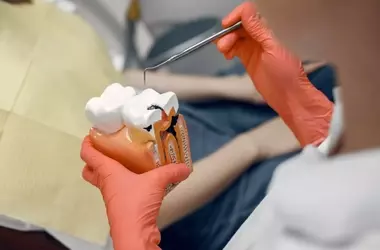
Root Canal Treatment: Understanding Dental Procedures for Tooth Preservation
In the realm of modern dentistry, procedures that preserve natural teeth have become increasingly important for maintaining oral health and overall well-being. Among these, root canal treatment represents a significant advancement in dental care, offering a solution to tooth infections that would otherwise require extraction. This article provides a neutral, factual overview of root canal treatment, exploring its purpose, mechanisms, and role in dental health. The discussion will follow a structured approach: first clarifying fundamental concepts, then examining the underlying mechanisms of this dental procedure, followed by an objective assessment of its applications, a summary of current practices, and finally, addressing common questions about this tooth-saving treatment.
 Por Dr. Ibrahim Khalil