 Noticias de última hora y actualizaciones en vivo
- Noticias de última hora y actualizaciones en vivo
- Noticias de última hora y actualizaciones en vivo
- Noticias de última hora y actualizaciones en vivo
- Noticias de última hora y actualizaciones en vivo
- Noticias de última hora y actualizaciones en vivo
- Noticias de última hora y actualizaciones en vivo
- Noticias de última hora y actualizaciones en vivo
- Noticias de última hora y actualizaciones en vivo
- Noticias de última hora y actualizaciones en vivo
Understanding Eczema Treatment: A Comprehensive Scientific Overview

Eczema, scientifically known as atopic dermatitis, is a chronic inflammatory skin condition characterized by a compromised skin barrier, leading to symptoms such as redness, intense itching, and dryness. Treatment for eczema refers to a systematic range of therapeutic interventions designed to restore the skin's moisture, suppress overactive immune responses, and prevent secondary infections. This article provides an objective examination of the management strategies currently available in dermatology. It will explore the biological factors contributing to skin barrier dysfunction, detail the mechanisms of topical and systemic therapies, present a balanced view of the clinical landscape, and conclude with future research directions. By following this structured overview, readers will gain a neutral understanding of how various treatments address the physiological challenges of sensitive and reactive skin.
Basic Concepts and Classification
To understand the scope of eczema treatment, it is essential to recognize that the condition varies in severity and trigger factors. Management is typically classified based on the therapeutic goal:
- Barrier Repair (Emollients): The foundational layer of care focused on replacing lost lipids and sealing in moisture.
- Anti-Inflammatory Therapy: Interventions used during "flares" to reduce the immune system's localized activity.
- Anti-Pruritic Measures: Strategies specifically aimed at breaking the "itch-scratch cycle" to prevent further skin damage.
- Systemic Management: Advanced treatments for moderate-to-severe cases that affect the body’s internal immune signaling.
Eczema is often part of the "atopic march," a clinical progression that can include asthma and allergic rhinitis, meaning treatment often necessitates a holistic view of the individual's environment and immune health.
Core Mechanisms: How Treatment Restores the Skin
The effectiveness of eczema treatment relies on addressing two primary physiological defects: a "leaky" skin barrier and an overactive immune system.
1. Restoring the Lipid Bilayer
Healthy skin acts as a brick-and-mortar structure where skin cells are the bricks and lipids (fats like ceramides) are the mortar. In eczema, the "mortar" is insufficient. Emollients work by providing an occlusive layer that prevents trans-epidermal water loss (TEWL). By physically filling the gaps between skin cells, these treatments restore the skin's ability to act as a shield against irritants and allergens.
2. Suppressing Cytokine Signaling
When the skin barrier is breached, the immune system overreacts by producing inflammatory proteins called cytokines (specifically IL-4 and IL-13). Topical steroids and calcineurin inhibitors work by entering the skin cells and blocking the production of these chemicals, thereby "turning off" the heat, redness, and swelling from within.
3. Modulating the Microbiome
The skin of individuals with eczema often has a high concentration of Staphylococcus aureus bacteria. Treatment mechanisms sometimes include antimicrobial measures—such as diluted bleach baths or topical antibiotics—to balance the skin's microbiome and reduce the risk of flares triggered by bacterial toxins.
Presentation of the Therapeutic Landscape
Eczema management utilizes a "stepped-care" approach, where the intensity of the treatment matches the severity of the symptoms.
Primary Treatment Modalities
| Category | Specific Intervention | Primary Function |
| Moisturizers | Ointments, creams, lotions | Hydration and barrier protection. |
| Topical Steroids | Hydrocortisone, Triamcinolone | Rapidly reduces inflammation during flares. |
| Topical Non-Steroids | Crisaborole, Pimecrolimus | Long-term inflammation control without thinning skin. |
| Phototherapy | Narrowband UVB light | Calms the immune response in the skin tissue. |
| Biologics | Dupilumab | Targets specific immune pathways for severe cases. |
Detailed Discussion of Approaches
- Topical Corticosteroids (TCS): These remain the most common treatment. They are categorized by potency (low to super-high). While effective, they are generally used for short bursts to avoid side effects like skin thinning (atrophy).
- Wet Wrap Therapy: This involves applying a layer of medication and moisturizer followed by a layer of dampened gauze. The mechanism increases the absorption of topical treatments and provides a physical barrier against scratching.
- Janus Kinase (JAK) Inhibitors: A newer class of medication available in both topical and oral forms. They work by blocking "Janus kinase" enzymes that tell the immune system to create an inflammatory response.
Objective Discussion and Evidence
The selection of a treatment protocol is evidence-based and highly individualized.
- Clinical Efficacy: Data from organizations like the National Eczema Association indicates that consistent use of emollients can reduce the need for topical steroids by up to 50%.
- Safety Profiles: The "steroid phobia" phenomenon is a subject of objective study; while over-use carries risks, clinical evidence suggests that when used under medical supervision, topical steroids are safe and effective for controlling acute inflammation.
- The "Standard of Care": For moderate-to-severe eczema, the introduction of biological therapies has shifted the landscape. Clinical trials for Dupilumab showed that approximately 75% of participants saw a 75% improvement in their skin clearance over a 16-week period.
- Environmental Factors: Evidence confirms that treatment success is significantly impacted by "trigger avoidance," such as removing harsh detergents, fragrances, and specific allergens from the person's immediate environment.
Summary and Future Outlook
Eczema treatment has transitioned from purely topical applications to a sophisticated understanding of systemic immunology. The goal of modern medicine is no longer just to "grease the skin," but to regulate the underlying biological triggers that cause the barrier to fail.
Future advancements include:
- Microbiome Transplants: Research is investigating the application of "healthy" bacteria to the skin to naturally outcompete harmful bacteria.
- Personalized Genomics: Identifying specific gene mutations (like Filaggrin deficiency) to tailor treatments to a person’s specific skin type.
- Oral Biologics: Developing pill-based versions of current injectable treatments to improve patient compliance and convenience.
Question and Answer Section
Q: Is there a permanent cure for eczema?
A: Currently, there is no permanent cure for atopic dermatitis. However, many individuals experience long-term remission through a combination of barrier repair, trigger avoidance, and modern therapeutic interventions.
Q: Can diet alone treat eczema?
A: While food allergies can exacerbate eczema in some individuals (particularly children), clinical data suggests that for the majority of adults, diet is not the primary cause. Dietary changes are usually considered a supportive measure rather than a primary treatment.
Q: What is the difference between an ointment and a lotion?
A: Ointments have the highest oil content and are the most effective at sealing in moisture, but they can feel greasy. Lotions have the highest water content and evaporate quickly, making them less effective for severe dryness but easier to apply over large, hair-bearing areas.
Q: Why does the skin itch more at night?
A: This is due to several biological factors: the body's natural anti-inflammatory cortisol levels are lowest at night, and the skin's temperature rises, which can trigger the release of itch-inducing chemicals. Treatment often includes applying heavy moisturizers right before sleep.
References
- https://www.nationaleczema.org/eczema/treatment/
- https://www.aad.org/public/diseases/eczema/childhood/treating/guide-to-treating
- https://www.ncbi.nlm.nih.gov/pmc/articles/PMC4473336/
- https://www.mayoclinic.org/diseases-conditions/atopic-dermatitis-eczema/diagnosis-treatment/drc-20353279
- https://www.nhs.uk/conditions/atopic-eczema/treatment/
- https://www.cochrane.org/CD012119/SKIN_interventions-reducing-staphylococcus-aureus-people-atopic-eczema

Otros artículos
 Dec 22, 2025
Understanding Rheumatoid Arthritis Treatment: A Comprehensive Scientific Overview
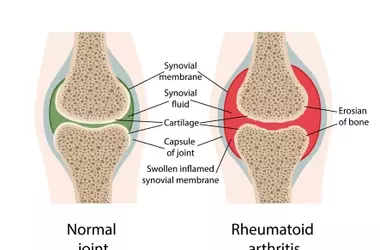
Rheumatoid Arthritis (RA) is a chronic autoimmune disorder characterized by the immune system mistakenly attacking the body's own joint tissues, leading to inflammation, pain, and potential structural damage. Treatment for RA refers to a spectrum of medical and lifestyle strategies aimed at controlling inflammation, preventing joint deformity, and maintaining functional mobility. This article provides a neutral exploration of the therapeutic landscape, beginning with the biological foundations of the condition, moving through the mechanisms of modern pharmaceutical and physical interventions, and concluding with an objective assessment of current clinical outcomes and future research. By clarifying these pathways, the reader can better understand the systematic approach used to manage this complex condition.
 Por Dr. Felipe Torres
 Dec 22, 2025
Understanding Depression Treatment: A Comprehensive Scientific Overview
Depression, clinically referred to as Major Depressive Disorder (MDD), is a complex mental health condition characterized by persistent low mood, loss of interest in activities, and various physical and cognitive symptoms. Treatment for depression involves a structured range of medical, psychological, and lifestyle-based interventions aimed at alleviating symptoms and restoring functional health. This article explores the scientific framework of these treatments, examining the biological and psychological mechanisms at play, the diverse categories of available therapies, and the current evidence regarding their effectiveness. By navigating through the progression from basic neurobiology to advanced clinical options, the following sections provide a clear, neutral landscape of how this condition is managed in modern medicine.
 Por Dr. Chen Wei
 Dec 22, 2025
Understanding Achondroplasia Treatment: A Technical and Clinical Overview
Achondroplasia is the most common form of disproportionate short stature, a genetic condition resulting from a specific variation in the fibroblast growth factor receptor 3 ($FGFR3$) gene. Beyond the characteristic physical features, this condition can involve various physiological challenges that necessitate medical attention. The objective of this article is to provide a neutral, evidence-based exploration of the therapeutic landscape for achondroplasia. It will clarify the biological foundations of the condition, explain the mechanisms of current pharmacological and surgical interventions, and discuss the broader clinical context of management. By examining these facets, the reader will gain a clear understanding of how modern science addresses bone growth and the prevention of secondary complications.
 Por Ling Xiu Chen