 Noticias de última hora y actualizaciones en vivo
- Noticias de última hora y actualizaciones en vivo
- Noticias de última hora y actualizaciones en vivo
- Noticias de última hora y actualizaciones en vivo
- Noticias de última hora y actualizaciones en vivo
- Noticias de última hora y actualizaciones en vivo
- Noticias de última hora y actualizaciones en vivo
- Noticias de última hora y actualizaciones en vivo
- Noticias de última hora y actualizaciones en vivo
- Noticias de última hora y actualizaciones en vivo
Understanding Antiviral Medications: A Comprehensive Scientific Overview

Viruses are microscopic entities that require living host cells to replicate, often leading to a wide range of infectious diseases in humans. Antiviral medications are a class of specialized pharmaceutical agents designed to inhibit the development and spread of these viral pathogens within the body. Unlike antibiotics, which destroy bacteria, antivirals do not typically "kills" the virus; instead, they interfere with specific stages of the viral life cycle to suppress replication and reduce the severity of the infection. This article provides a neutral, evidence-based exploration of the field, detailing the foundational differences between viruses and other pathogens, the biochemical mechanisms by which these drug operate, a classification of common antiviral types, and an objective discussion on the challenges of drug resistance. By following a structured progression from basic concepts to future scientific outlooks, this overview aims to provide a clear understanding of the role antivirals play in modern clinical medicine.
Basic Concepts and Classification
To understand antiviral drug, one must first recognize the unique nature of viruses. A virus consists of genetic material (DNA or RNA) encased in a protein shell. Because viruses lack the machinery to reproduce on their own, they hijack the biological systems of human cells.
Antiviral medications are generally classified based on the type of virus they target and the specific stage of the "viral life cycle" they disrupt. Key classifications include:
- Anti-Influenza Agents: Specifically designed to treat the flu by preventing the release of new viral particles.
- Anti-Retrovirals (ARVs): Primarily used in the management of HIV by blocking the conversion of viral RNA into DNA.
- Anti-Herpetic Agents: Targeted at the herpes simplex virus (HSV) and varicella-zoster virus (chickenpox/shingles).
- Anti-Hepatitis Agents: Focused on chronic infections like Hepatitis B and C, often aiming to prevent long-term liver damage.
- Broad-Spectrum Antivirals: Newer experimental agents designed to act against multiple families of viruses simultaneously.
The primary goal of these medications is to lower the "viral load"—the amount of virus in the bloodstream—allowing the body's natural immune system to gain the upper hand.
Core Mechanisms: The Science of Viral Inhibition
The effectiveness of an antiviral drug depends on its ability to target a specific step in the replication process without damaging the human host cell. This is achieved through several biochemical mechanisms:
1. Blocking Attachment and Entry
For an infection to begin, a virus must attach to specific receptors on the surface of a human cell. Some antivirals act as "decoys" or "blockers" that bind to these receptors, preventing the virus from ever entering the cell.
2. Inhibiting Uncoating and Genetic Release
Once inside, a virus must shed its outer shell to release its genetic material. Certain drug interfere with the acidity levels inside the cell or block specific viral proteins required for this "uncoating" process.
3. Nucleoside Analogues (DNA/RNA Synthesis Interference)
Many antivirals are designed to look like the building blocks of DNA or RNA (nucleosides). When the virus attempts to replicate its genetic code, it mistakenly incorporates the drug molecule. This acts as a "chain terminator," stopping the replication of the viral genome mid-way.
4. Protease and Neuraminidase Inhibition
After new viral components are created, they must be "cut" into functional pieces by enzymes (proteases) or "released" from the cell surface (neuraminidases). Specialized inhibitors block these enzymes, ensuring that any new viral particles produced are either defective or trapped inside the cell, unable to infect neighboring tissues.
Presentation of the Clinical Landscape
The application of antiviral therapy varies significantly depending on whether the infection is acute (short-term) or chronic (long-term).
Comparison of Common Antiviral Modalities
| Target Virus | Common Drug Category | Primary Mechanism | Clinical Goal |
| Influenza | Neuraminidase Inhibitors | Prevents viral exit from cell | Shorten symptom duration |
| HIV | Reverse Transcriptase Inhibitors | Blocks DNA synthesis | Maintain undetectable viral load |
| Hepatitis C | Direct-Acting Antivirals (DAAs) | Multi-stage replication block | Viral eradication (Cure) |
| Herpes (HSV) | DNA Polymerase Inhibitors | Stops viral DNA replication | Suppress outbreaks |
The Consultative and Diagnostic Lifecycle
- Viral Identification: Utilizing PCR (Polymerase Chain Reaction) tests to identify the specific strain and concentration of the virus.
- Timing of Administration: For many acute viruses (like the flu), antivirals are most effective when administered within the first 48 hours of symptom onset.
- Resistance Monitoring: Periodic testing to ensure the virus has not mutated into a form that is immune to the current medication.
- Combination Therapy: Often used in chronic conditions to target the virus at multiple stages simultaneously, reducing the likelihood of resistance.
Objective Discussion and Evidence
Clinical data regarding antiviral efficacy highlights the critical role of these drug in global health, while also identifying significant biological hurdles.
- Impact on Mortality: According to the World Health Organization (WHO), the widespread use of Direct-Acting Antivirals (DAAs) has revolutionized the treatment of Hepatitis C, with cure rates now exceeding 95% in many clinical populations.
- The Challenge of Resistance: A major objective reality is "antiviral resistance." Viruses, particularly those with RNA genomes, mutate rapidly. If a medication is used incorrectly or inconsistently, the surviving viruses may develop mutations that render the drug ineffective.
- Toxicity and Side Effects: Because viruses operate inside human cells, it is difficult to design drug that affect only the virus. Statistics show that some older antivirals can cause significant side effects, such as kidney strain or bone marrow suppression, requiring careful medical monitoring.
- Latency Issues: Some viruses, like the Herpes family and HIV, can enter a "latent" or "dormant" state within human cells where they do not replicate. Antivirals are generally ineffective during this phase, which is why these infections currently require long-term management rather than a one-time cure.
Summary and Future Outlook
Antiviral science is moving toward highly targeted, "precision" molecules. The focus is shifting from simply stopping replication to enhancing the host's own cellular defenses.
Future developments in the field include:
- CRISPR-Cas9 Gene Editing: Research is exploring the use of gene-editing technology to physically "cut" viral DNA out of human cells, potentially offering a way to eliminate latent viruses.
- Monoclonal Antibodies: Laboratory-engineered proteins that can mimic the immune system's attack on specific viral spikes with high precision.
- AI-Driven Drug Discovery: Using artificial intelligence to simulate millions of molecular combinations to find new inhibitors for emerging viral threats faster than traditional laboratory methods.
Question and Answer Section
Q: Can antivirals be used to treat a bacterial cold?
A: No. Antivirals are ineffective against bacteria, just as antibiotics are ineffective against viruses. Taking an antiviral for a bacterial infection provides no clinical benefit and may contribute to unnecessary drug exposure.
Q: Why don't we have antivirals for every virus (like the common cold)?
A: There are hundreds of different viruses that cause the "common cold." Developing a drug for each is difficult because these viruses change frequently. Additionally, for minor illnesses, the risk of drug side effects often outweighs the benefit of slightly shortening the illness.
Q: Is a vaccine the same as an antiviral?
A: No. A vaccine is a preventive tool that trains the immune system to recognize a virus before an infection occurs. An antiviral is a treatment tool used to suppress the virus after the person has already been infected.
Q: Does taking antivirals weaken the natural immune system?
A: There is no clinical evidence that antivirals weaken the immune system. By reducing the viral load, they actually reduce the total burden on the immune system, allowing natural defenses to function more effectively against the remaining viral particles.
References

Otros artículos
 Dec 23, 2025
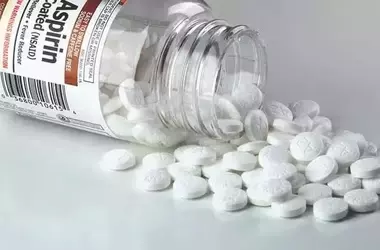
Aspirin: A Technical and Pharmacological Overview
Aspirin, known chemically as acetylsalicylic acid (ASA), is a synthetic organic compound belonging to the family of salicylates. It is one of the most extensively researched and frequently utilized substances in global medicine, functioning primarily as an analgesic (pain reliever), antipyretic (fever reducer), and anti-inflammatory agent. Beyond these primary roles, it is uniquely characterized by its ability to inhibit platelet aggregation, a property that has expanded its utility into the field of cardiovascular management. This article provides an objective analysis of aspirin, examining its chemical origins, the molecular pathways of irreversible enzyme inhibition, its systemic physiological interactions, and the regulatory frameworks governing its use. By exploring the trajectory from its botanical precursors to modern synthetic applications, this text aims to clarify the functional scope of the compound and its role within contemporary healthcare.
 Por Dr. Valentina Rossi
 Dec 23, 2025
Naproxen: A Technical and Pharmacological Overview
Naproxen is a non-steroidal anti-inflammatory drug (NSAID) primarily utilized for its analgesic, antipyretic, and anti-inflammatory properties. Chemically classified as a propionic acid derivative, it is widely recognized for its long half-life, which allows for less frequent dosing compared to other common NSAIDs. This article provides a comprehensive and neutral analysis of naproxen, exploring its chemical structure, the physiological mechanisms of cyclooxygenase (COX) inhibition, its pharmacokinetic profile, and the objective safety considerations governing its clinical use. The discussion will navigate through the core science of the compound, presenting a detailed overview of its role in modern pharmacology and its position relative to other therapeutic agents.
 Por Dr. Kevin O’Connor
 Dec 23, 2025
Ibuprofen: A Technical and Pharmacological Overview
Ibuprofen is a widely utilized non-steroidal anti-inflammatory agent (NSAID) belonging to the propionic acid derivative family. It is primarily characterized by its triple-action profile as an analgesic (pain reliever), antipyretic (fever reducer), and anti-inflammatory substance. Historically developed in the 1960s as a more tolerable alternative to aspirin, it has become a staple of modern pharmacology for managing conditions such as musculoskeletal discomfort, menstrual cycles, and febrile illnesses. This article provides a neutral, scientific analysis of ibuprofen, examining its chemical composition, the molecular pathways of enzyme inhibition, its systemic physiological effects, and the objective regulatory standards that govern its administration in clinical and over-the-counter settings.
 Por Kwame Boateng