 Noticias de última hora y actualizaciones en vivo
- Noticias de última hora y actualizaciones en vivo
- Noticias de última hora y actualizaciones en vivo
- Noticias de última hora y actualizaciones en vivo
- Noticias de última hora y actualizaciones en vivo
- Noticias de última hora y actualizaciones en vivo
- Noticias de última hora y actualizaciones en vivo
- Noticias de última hora y actualizaciones en vivo
- Noticias de última hora y actualizaciones en vivo
- Noticias de última hora y actualizaciones en vivo
Quarterly Earnings Season Kicks Off Amidst Market Uncertainty: Goldman Sachs Reports

The first-quarter reporting period for corporate financial results has commenced, unfolding against a backdrop of considerable market volatility and global economic uncertainties. Major financial institutions such as Goldman Sachs are at the forefront, releasing their quarterly figures alongside other prominent companies, including streaming giant Netflix and pharmaceutical stalwart Johnson & Johnson. Despite an array of external pressures, including geopolitical tensions and shifts in monetary policy expectations, market analysts are largely optimistic regarding sustained earnings growth, projecting continued strong performance for key market indicators like the S&P 500.
Major Corporations Announce Q1 Results as Macro Pressures Intensify
As the first fiscal quarter of 2026 draws to a close, a wave of major corporate earnings reports is set to provide crucial insights into the health of various sectors amidst an increasingly complex global economic landscape. On , Goldman Sachs (GS) spearheaded the financial sector's reporting, setting the stage for a week filled with disclosures from other banking titans such as JPMorgan Chase (JPM), Citigroup (C), Wells Fargo (WFC), BlackRock (BLK), Bank of America (BAC), and Morgan Stanley (MS). The investment banking giant's profits showed an uplift, primarily driven by robust activity in stock trading and a significant surge in mergers and acquisitions. However, this positive news was tempered by an unexpected shortfall in revenue from fixed income, currencies, and commodities intermediation, leading to a modest decline in its stock during pre-market trading.
Beyond the financial sphere, other industry leaders are also scheduled to unveil their performances. Later in the week, streaming service provider Netflix (NFLX), healthcare conglomerate Johnson & Johnson (JNJ), semiconductor equipment manufacturer ASML Holdings (ASML), and beverage and snack giant PepsiCo (PEP) will present their quarterly updates. These announcements come at a pivotal time, with investors closely watching how companies are navigating macroeconomic challenges such as the ongoing conflict in Iran, the rapid advancements in artificial intelligence, and the delayed adjustments to interest rates by the Federal Reserve. Despite these headwinds, Wall Street analysts, as highlighted by FactSet's John Butters, maintain a generally bullish outlook. They anticipate that the S&P 500 (^GSPC) will achieve its sixth consecutive quarter of double-digit earnings growth, affirming the stock market's enduring capacity for expansion.
Further impacting the market sentiment, Fastenal Company (FAST), a key indicator for the industrial economy, saw its shares dip by 4% in pre-market activity. The decline followed the revelation of increasing margin pressures, even as the company's earnings matched analysts' expectations. This mixed bag of results underscores the nuanced environment in which corporations are currently operating, where strong performance in some areas might be offset by sector-specific or broader economic challenges.
Navigating the Currents of Corporate Performance
The current earnings season offers a critical lens through which to examine the resilience and adaptability of global corporations. It serves as a reminder that even in periods of heightened uncertainty, strategic agility and robust business models can enable companies to achieve significant financial milestones. However, it also highlights the delicate balance between capitalizing on growth opportunities and mitigating emergent risks, prompting investors and analysts alike to consider both the micro and macroeconomic factors shaping the future trajectory of the markets. The continued optimism from analysts, despite various global challenges, suggests a belief in the fundamental strength and innovative capacity of these businesses to thrive amidst adversity, underscoring the dynamic nature of the financial world.
Financial wellness advocate and author focusing on eco-investing and protecting one's finances.
Otros artículos
 Apr 13, 2026
IDEAYA's Eye Cancer Therapy Outperforms Standard Treatment, Boosting Stock
IDEAYA Biosciences Inc. reported encouraging Phase 2/3 trial results for darovasertib combined with crizotinib, significantly improving progression-free survival in metastatic uveal melanoma patients. This breakthrough propelled IDEAYA's stock upwards, signaling a promising new treatment for this rare eye cancer. The company plans to file a New Drug Application with the FDA by late 2026.
Por Chika Uwazie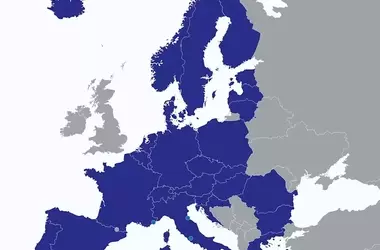 Apr 13, 2026
Strategic Diversification: International ETFs Amidst US Market Volatility
As US stocks face downward pressure, investors are exploring international diversification as a hedge. This analysis highlights two Vanguard ETFs, VGK and VXUS, which offer exposure to European and global ex-US markets, respectively. Both have shown strong performance, mitigating risks associated with US market fluctuations and geopolitical uncertainties like potential NATO instability and European immigration policy shifts. The article suggests a rebalancing strategy, allocating 10-20% of portfolios to international equities.
Por Vicki Robin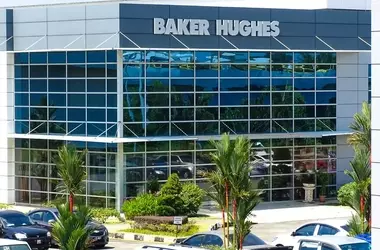 Apr 13, 2026
Baker Hughes Divests Non-Core Unit in $1.45 Billion Deal
Baker Hughes announced the sale of its Waygate Technologies business to Hexagon for approximately $1.45 billion in cash. This strategic move aims to streamline Baker Hughes' portfolio, strengthen its financial position, and enhance earnings and cash flow stability. The transaction, which includes Waygate's non-destructive testing solutions and related assets, is expected to close in the latter half of 2026, pending regulatory approvals. This divestiture aligns with the company's focus on its core oilfield services and industrial and energy technology segments.
Por Scott Pape