 Noticias de última hora y actualizaciones en vivo
- Noticias de última hora y actualizaciones en vivo
- Noticias de última hora y actualizaciones en vivo
- Noticias de última hora y actualizaciones en vivo
- Noticias de última hora y actualizaciones en vivo
- Noticias de última hora y actualizaciones en vivo
- Noticias de última hora y actualizaciones en vivo
- Noticias de última hora y actualizaciones en vivo
- Noticias de última hora y actualizaciones en vivo
- Noticias de última hora y actualizaciones en vivo
How to Read a "Drug Facts" Label in the U.S.: A Technical and Regulatory Overview

In the United States, the Drug Facts label is a standardized formatting system mandated by the Food and Drug Administration (FDA) for all non-prescription, over-the-counter (OTC) medications. This regulatory framework was established to ensure that health information is presented in a uniform, clear, and easy-to-read manner, enabling consumers to make informed decisions regarding self-medication. This article provides a neutral, scientific exploration of the components that constitute the Drug Facts label. It details the structural requirements of each section, the physiological significance of the information provided, and the objective safety standards that govern these labels. The following sections follow a structured trajectory: defining the regulatory origin, providing a section-by-section analysis of the label's components, presenting an objective overview of the label's function in public health, and concluding with a technical inquiry section to clarify common interpretation questions.

1. Basic Conceptual Analysis: The Regulatory Mandate
The current Drug Facts label format was finalized under the 1999 FDA Final Rule, which required nearly all OTC products to utilize a consistent layout, font size, and heading sequence.
Purpose of Standardization
Before 1999, information on medication packaging was often inconsistent in terminology and placement. The standardization mandate serves several technical functions:
- Legibility: Specific requirements for font types (e.g., Helvetica or similar) and font sizes ensure that the information is accessible to individuals with varying visual acuity.
- Predictability: By maintaining a fixed order of information—starting with Active Ingredients and ending with Inactive Ingredients—the system reduces the cognitive load required to find critical safety data.
- Uniform Terminology: The labels must use non-technical language (e.g., using "lung" instead of "pulmonary") to ensure broad comprehension across different literacy levels.
2. Core Mechanisms: A Section-by-Section Analysis
The Drug Facts label is divided into several discrete sections, each serving a specific physiological or procedural function.
Active Ingredients and Purpose
The first section identifies the specific chemical compounds responsible for the medication's therapeutic effect.
- Active Ingredient: The name of the chemical (e.g., Acetaminophen or Ibuprofen).
- Amount per Unit: The precise quantity (e.g., 500 mg) found in each pill, tablet, or teaspoon.
- Purpose: The therapeutic category of the ingredient, such as "Pain reliever" or "Antihistamine."
Uses
This section outlines the specific symptoms or conditions the product is intended to address. Under FDA regulations, a product can only list uses for which it has been proven effective through clinical data.
Warnings
This is often the largest section and is critical for safety. It includes:
- Allergy Alerts: Identifying potential hypersensitivity reactions.
- Specific Warnings: Guidance for individuals with certain underlying health conditions (e.g., "Ask a doctor before use if you have liver disease").
- Substance Interactions: Identifying other substances that should not be combined with the medication.
- Pregnancy/Breastfeeding: Standardized warnings regarding the use of the substance during these physiological states.
Directions
This section provides specific instructions on how to use the medication correctly. It is often presented in a table format, detailing the maximum dosage allowed within a 24-hour period and the specific age-based requirements.
Other Information and Inactive Ingredients
- Other Information: Details on how to store the product (e.g., "Store at 20-25°C") and any tamper-evident features.
- Inactive Ingredients: Lists substances like binders, colors, or flavors. While these do not have a therapeutic effect, they are listed for individuals who may have specific sensitivities to dyes or preservatives.
3. Presenting the Full Picture: Objective Clinical Discussion
The Drug Facts label functions as the primary safety interface between a pharmaceutical product and a consumer. Its role is quantified by its ability to prevent unintended misuse.
Comparative Overview of Label Components
| Label Section | Primary Goal | Critical Metric |
| Active Ingredients | Identification | Milligrams (mg) per dose |
| Warnings | Risk Mitigation | Specific contraindications |
| Directions | Proper Utilization | Maximum 24-hour frequency |
| Inactive Ingredients | Sensitivity Screening | Chemical stabilizers and dyes |
Objective Discussion on Public Health Utility
According to data from the FDA Center for Drug Evaluation and Research, standardized labeling is a primary factor in reducing medication errors in the home environment. By providing clear "Ask a doctor" prompts, the label establishes a boundary between self-manageable conditions and those requiring professional clinical intervention.
Limitations
Despite the standardized format, certain challenges remain:
- Multi-Symptom Products: Many products contain multiple active ingredients. Consumers must cross-reference labels to ensure they are not inadvertently duplicating ingredients from different products.
- Storage Compliance: Data suggests that many individuals do not adhere to the "Other Information" section regarding storage temperatures, which can impact the chemical stability of the active ingredients.
4. Summary and Future Outlook: Digitalization and Accessibility
The future of medication labeling is moving toward a combination of physical packaging and digital enhancements.
Future Directions in Research:
- QR Code Integration: Many regulatory discussions focus on adding QR codes to labels that link to dynamic, multi-language audio or video versions of the label to assist those with visual or hearing impairments.
- Smart Packaging: Research into "intelligent" labels that change color if the medication has been stored outside of the recommended temperature range.
- Personalized Triage: Digital tools that allow consumers to scan a Drug Facts label and have it automatically compared against their current electronic health record to flag potential interactions.
5. Q&A: Clarifying Common Technical Inquiries
Q: Why are "Inactive Ingredients" listed if they don't do anything?
A: While they do not treat symptoms, they are essential for the pill's structure or stability. Listing them is critical for individuals with allergies to specific food dyes (like Red No. 40) or fillers (like lactose or gluten).
Q: What does "Ask a doctor before use" mean in a clinical sense?
A: This prompt appears when a medication might interact with a chronic condition or another prescription. It signifies that the safety of the substance has not been standardized for individuals with that specific physiological profile without professional oversight.
Q: How is the "24-hour maximum" determined?
A: The maximum dose is based on the pharmacokinetics of the active ingredient—specifically, the rate at which the liver or kidneys clear the substance from the body. Exceeding this limit can lead to systemic accumulation and toxicity.
Q: Is the information on a "Store Brand" label the same as a "Name Brand" label?
A: Yes. If the products contain the same active ingredient and are intended for the same use, the FDA requires the Drug Facts labels to be substantially identical in terms of safety warnings and directions.
Q: Why do some labels include a "Questions or Comments?" section?
A: This is a regulatory requirement that provides a telephone number for the manufacturer. It allows consumers to report adverse events or seek clarification on product information, which is part of the ongoing "post-market surveillance" of the medication.
This article provides informational content regarding the regulatory and procedural aspects of reading a Drug Facts label. For individualized medical advice, diagnostic assessment, or the development of a health management plan, consultation with a licensed healthcare professional or a board-certified pharmacist is essential.
Otros artículos
 Dec 25, 2025
How Fever-Reducing Medications Work: A Scientific and Physiological Overview
Fever-reducing medications, clinically known asantipyretics, are pharmaceutical agents designed to lower an elevated body temperature by modulating the body's internal thermostat. This physiological process involves a complex interaction between the central nervous system and inflammatory signaling molecules. This article provides a neutral, evidence-based exploration of the mechanisms behind antipyretic action. It details the role of the hypothalamus in temperature regulation, the biochemical pathways of prostaglandin inhibition, and the objective safety profiles of common active ingredients. The following sections are organized to provide a comprehensive understanding: defining the biological nature of fever, explaining the enzymatic targets of antipyretics, presenting a systemic comparison of common agents, and concluding with a technical inquiry section to address common metabolic questions.
 Por Dr. Alejandro Ruiz
 Dec 25, 2025
Understanding Over-the-Counter (OTC) Medications: A Technical and Regulatory Overview
Over-the-Counter (OTC) medicationsare pharmaceutical products available for purchase by the general public without a requirement for a prescription from a licensed healthcare professional. These substances are regulated under specific legal frameworks to ensure they are safe and effective for use when consumers follow the instructions provided on the accompanying "Drug Facts" label. This article provides a neutral, evidence-based exploration of the OTC landscape, detailing the regulatory standards for their classification, the pharmacological principles of their action, and the objective safety considerations for self-medication. The following sections follow a structured trajectory: defining the foundational regulatory concepts, explaining the mechanisms of "General Recognition of Safety and Effectiveness" (GRASE), evaluating the systemic role of OTCs in healthcare, and providing a technical inquiry framework to clarify common consumer questions.
 Por Dr. Mei Wong
 Dec 25, 2025
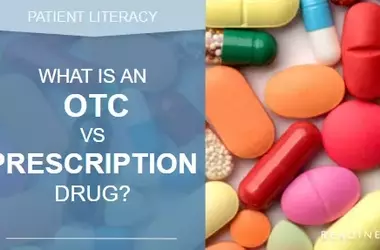
Understanding Prescription vs. Over-the-Counter (OTC) Medications: A Comparative Overview
Pharmaceutical products are systematically classified into two primary categories based on their safety profile, potency, and the level of professional supervision required for their use:Prescription medicationsandOver-the-Counter (OTC) medications. Prescription products are legally restricted substances that require a written authorization from a licensed healthcare professional, whereas OTC products are available for consumer purchase without such authorization. This article provides a neutral, evidence-based exploration of the distinctions between these two classes, detailing their regulatory frameworks, the physiological rationale behind their classification, and the objective safety standards governing their distribution. The following sections follow a structured trajectory: defining foundational concepts, explaining the core mechanisms of regulation, presenting a systemic comparison of clinical utility, and concluding with a technical inquiry section to clarify common pharmaceutical questions.
 Por Dr. Laura Kim