 Eilmeldungen & Live-Updates
- Eilmeldungen & Live-Updates
- Eilmeldungen & Live-Updates
- Eilmeldungen & Live-Updates
- Eilmeldungen & Live-Updates
- Eilmeldungen & Live-Updates
- Eilmeldungen & Live-Updates
- Eilmeldungen & Live-Updates
- Eilmeldungen & Live-Updates
- Eilmeldungen & Live-Updates
The Neurologist's Perspective on Exercise and Brain Health
A recent report from a leading neurologist sheds light on a frequently overlooked connection between muscular vitality and cognitive sharpness. The expert expresses concern over declining physical activity levels across various age groups, emphasizing that neglecting physical conditioning can significantly impact brain function over time. This insights suggests that the aging process, particularly concerning mobility and mental acuity, is not an unalterable fate but largely influenced by lifestyle choices, primarily regular physical engagement.
A Neurologist's Urgent Message: Bridging Muscle Strength and Mental Acuity Across Generations
In a compelling narrative shared recently, Dr. Kim Johnson Hatchett, a distinguished board-certified neurologist practicing in Kansas City, Missouri, voiced her profound concerns regarding a pervasive issue among her diverse patient base, spanning from their thirties to centenarians. Her observation points to a silent crisis: the progressive decline in physical strength, which she argues is more intimately linked to the health of the brain than commonly perceived. Many of her patients express deep frustration over their dwindling mobility, often failing to connect this challenge with their largely sedentary lifestyles.
Dr. Hatchett notes a broader societal trend where exercise often takes a backseat. Individuals in their thirties and forties, engrossed in career ambitions, supplementary work, or familial responsibilities, frequently forgo physical activity. They often neglect proper nutrition, consistent exercise, and crucially, strength training. This oversight means they are not investing in their physical resilience and, by extension, their cognitive faculties. Each instance of physical activity triggers the secretion of nerve growth factor (NGF), a peptide vital for neuronal regulation in the brain. NGF also supports myelin, the protective sheath around nerve fibers that facilitates rapid and efficient electrical impulse transmission, and which naturally degrades with age.
Beyond strength training, cardiovascular exercises enhance cerebral blood flow, markedly improving cognitive function. Dr. Hatchett reveals that even modest daily physical engagement can significantly lower the risk of dementia. Furthermore, engaging in new sports or learning novel fitness routines stimulates the formation of new neural connections, strengthening these pathways through repetition. Just as one diligently brushes their teeth for dental health, consistent physical activity and muscle engagement are paramount for preserving mobility and cognitive sharpness throughout life. This continuous stimulation of NGF production effectively supports superior brain function.
The neurologist highlights a critical biological reality: after the age of 50, muscle mass begins to diminish at an annual rate of 1-2%, accelerating to 3% after 60. The adage “use it or lose it” starkly applies here. While many associate severe mobility issues, like hip fractures from minor falls or difficulty with stairs, primarily with the elderly, the adverse effects of inactivity can manifest much earlier. Weakness can impede everyday activities such as carrying groceries, performing yard work, or enjoying vacations, transforming simple pleasures like a walk through a theme park into arduous tasks. One patient even reported exhaustion from the effort of washing their hair.
Encouragingly, Dr. Hatchett asserts that this decline is largely preventable through proactive measures initiated in one's thirties and forties. She likens this foresight to financial planning, such as contributing to a 401K in one's younger years to ensure future financial security. Similarly, investing in one's health early on is a wise strategy. Ideally, adults should aim for 25 to 30 minutes of physical activity daily, complemented by strength training for approximately 30 minutes three to four times per week.
Dr. Hatchett reassures her patients that beginning with simple exercises, such as bicep curls with light weights or chair squats, is perfectly acceptable. She recounts inspiring stories of patients, including an octogenarian who started nightly dance sessions, who returned not only physically revitalized but also mentally sharper. Her ultimate message is one of empowerment: individuals possess far greater control over their aging process than they typically realize. The decline in strength with age is not inevitable; consistent exercise and strength training promise substantial long-term benefits.
This neurologist’s insights underscore a powerful truth: our physical and mental well-being are inextricably linked. It serves as a potent reminder that investing in our bodies today is an investment in our minds and overall quality of life tomorrow. The message is clear: proactive health choices, particularly consistent physical activity and strength training, are not merely about aesthetics or fleeting fitness trends, but about forging a resilient, vibrant future. It challenges us to reconsider our daily habits and embrace a lifestyle that champions both physical and cognitive longevity.
Weitere Artikel
 Mar 26, 2026
Optimizing Endurance: A Comprehensive Guide to Energy Gels for Athletes
This in-depth guide explores the vital role of energy gels in fueling endurance athletes during long-distance activities like running and triathlons. Highlighting insights from nutritionists and coaches, it reviews top energy gel brands, discussing their unique features, benefits, and ideal use cases. The article emphasizes how these carbohydrate-rich supplements prevent fatigue, sustain performance, and addresses factors like carbohydrate sources, caffeine content, and electrolyte balance for optimal athletic support. It also offers advice on integrating gels into training and race-day nutrition strategies.
 Mar 26, 2026
The Ultimate 2023 Workout Playlist: A Soundtrack of Sweat and Sentiment
Dive into the definitive workout playlist of 2023, featuring tracks that powered your exercises, evoked emotions, and became TikTok sensations. This curated collection spans from high-energy anthems like Doja Cat's "Paint the Town Red" and Bad Bunny's "Monaco" to reflective cool-down tunes such as Noah Kahan's "Dial Drunk." Relive a year of musical motivation and discover the perfect rhythm for every fitness moment.
 Mar 26, 2026
Unmissable Peloton Prime Day Deals: Fitness Equipment and Accessories at Unbeatable Prices
Discover the top Peloton deals during Amazon's Prime Big Deal Days, offering significant savings on bikes, treads, strength training devices, and various accessories. This limited-time event provides an excellent opportunity for both new and existing fitness enthusiasts to upgrade their home gym setup with high-quality Peloton products at reduced prices. Ensure you're a Prime member to take advantage of these exclusive offers before they expire today, October 9th.
 Mar 26, 2026
The Ultimate Guide to High-Support Sports Bras for Larger Busts
This comprehensive guide highlights the top sports bras specifically designed for individuals with larger busts, ensuring maximum support and comfort during various physical activities. Featuring tested options from leading brands like Nike, Lululemon, and Athleta, the article delves into different support levels (high, medium, low impact) and key features such as adjustable bands, wide straps, and moisture-wicking fabrics, helping you find the perfect fit to prevent discomfort and enhance performance.
 Mar 26, 2026
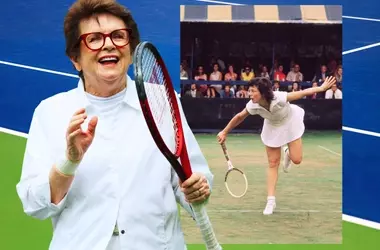
Billie Jean King's Enduring Legacy: From Tennis Courts to Body Confidence Advocacy
Tennis legend Billie Jean King, at 81, continues to inspire, balancing her passion for the sport with impactful advocacy. This article highlights her return to tennis, her commitment to fitness, and her tireless efforts in promoting women's sports and body confidence, particularly through her partnership with Dove. Her journey underscores the importance of self-belief and challenging societal norms.
 Mar 26, 2026
The Allure of Grueling Workouts: Why We Embrace the Burn
Despite the physical discomfort, high-intensity workouts like Solidcore and Hyrox are experiencing a surge in popularity. This article explores the psychological factors behind this phenomenon, suggesting that the self-satisfaction, confidence boost, and dopamine release experienced after conquering a challenging exercise outweigh the immediate pain, fostering a 'love-hate' relationship with these demanding fitness regimens.