 Eilmeldungen & Live-Updates
- Eilmeldungen & Live-Updates
- Eilmeldungen & Live-Updates
- Eilmeldungen & Live-Updates
- Eilmeldungen & Live-Updates
- Eilmeldungen & Live-Updates
- Eilmeldungen & Live-Updates
- Eilmeldungen & Live-Updates
- Eilmeldungen & Live-Updates
- Eilmeldungen & Live-Updates
Effective Training Strategies for Older Dogs
It is a prevalent belief that elderly dogs cannot acquire new skills, but this notion is incorrect. Older dogs are perfectly capable of learning new behaviors, tricks, and commands. Training them is similar to training younger dogs, though certain adjustments can make the process more compassionate and effective. Such engagement provides mental stimulation and strengthens the bond between the dog and its human companion, proving that even in their golden years, dogs can thrive with continued learning.
Successful training for senior dogs involves understanding their unique needs. Factors such as physical limitations, decreased sensory perception, and changes in appetite require tailored approaches. Creating a comfortable and quiet training environment, using appropriate tools, and employing positive reinforcement techniques are essential. Short, frequent training sessions are more effective than long, strenuous ones, allowing older dogs to learn without overexertion, ensuring that training remains a positive and beneficial activity.
Adapting to Age-Related Changes in Senior Dogs
As dogs advance in age, they experience behavioral shifts that, while not dramatically altering their core personality, can influence their capacity for training. These changes often involve reduced energy levels, a diminished appetite, and sometimes an increased sensitivity to loud noises. Recognizing these nuances is crucial for developing an effective and compassionate training regimen. For instance, an older dog's lower stamina means that training sessions should be shorter and less physically demanding, focusing on consistency rather than intensity. Furthermore, sensory declines, such as impaired vision or hearing, necessitate clearer and possibly louder cues, whether verbal or visual, to ensure the dog understands the commands.
Pain and discomfort are common in senior dogs and can significantly impact their responsiveness to training. It is imperative to select exercises that do not exacerbate any existing conditions, avoiding commands that require jumping, strenuous movement, or uncomfortable postures. Instead, focus on behaviors that are gentle and enriching, such as going to their bed, lifting a paw, or resting their head on a lap. Moreover, a decreased appetite, often seen in older dogs, suggests scheduling training before meals when they are most motivated by treats. Training in serene environments also helps, as loud noises can startle older dogs, potentially associating pain with sudden movements, thus negatively affecting their willingness to engage in learning.
Effective Training Methods and Strategies for Older Canines
When embarking on the training journey with an older dog, the fundamental principle remains positive reinforcement. This approach involves rewarding desired behaviors to increase their likelihood of recurrence, fostering a positive association with learning. Creating a conducive learning environment is key; it means setting up situations where the dog is predisposed to succeed, minimizing distractions, and ensuring comfort. Starting with simpler tasks and gradually progressing to more complex ones allows the dog to build confidence and prevents frustration. Consistency, with multiple brief sessions throughout the day, is more effective than infrequent, lengthy ones, as older dogs can tire easily and benefit from regular, manageable learning opportunities.
Implementing specific training techniques can greatly enhance the success rate with senior dogs. For example, 'capturing behavior' involves rewarding a dog for naturally occurring actions, making them more likely to repeat it. Luring, using a treat to guide the dog into a desired position, is another gentle and effective method. When introducing verbal cues, it's vital to wait until the dog consistently performs the action before associating a word with it, preventing the cue from becoming meaningless background noise. This phased approach ensures that the dog fully understands the command and associates it with a positive outcome. Patience, understanding, and adaptability are paramount, transforming training into a rewarding experience that enriches the dog's later years and strengthens the bond with their human.
Weitere Artikel
 Jan 12, 2026
Beyond Treats: Creative Positive Reinforcement in Dog Training
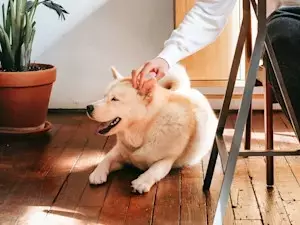
This article explores the nuances of positive reinforcement in dog training, highlighting that what owners perceive as rewards may not always be reinforcing for their dogs. It delves into the concept of "positive punishment" through misapplied praise and petting, and offers innovative alternatives to traditional treats, emphasizing understanding each dog's unique preferences to foster effective and lasting behavioral changes.
 Jan 12, 2026
Teaching Your Dog to Stop Pawing for Attention
This article explores strategies for addressing a dog's persistent pawing behavior, which often stems from their learned understanding of how to get what they want. It emphasizes understanding the dog's motivation, the behavior itself, and the consequences from the dog's perspective. The piece offers practical advice on redirecting unwanted pawing by consistently withholding desired outcomes when the behavior occurs and rewarding alternative, calmer actions. Ultimately, the goal is to teach the dog appropriate ways to communicate their needs without resorting to destructive or demanding pawing.
 Jan 12, 2026
Mastering Puppy Potty Training in Apartment Living
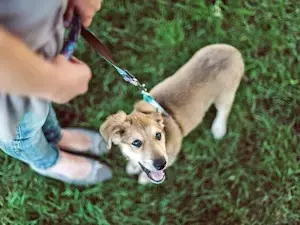
Potty training a puppy in an apartment presents unique challenges due to limited space and urban environments. However, by establishing a consistent routine, utilizing tools like pee pads or crates, and providing positive reinforcement, apartment dwellers can successfully teach their puppies good bathroom habits. Key strategies include frequent outdoor trips, recognizing pre-potty signs, and handling accidents constructively to build trust and proper behavior.
 Jan 12, 2026
Comprehensive Guide to Puppy Training: From Cuteness to Canine Companion
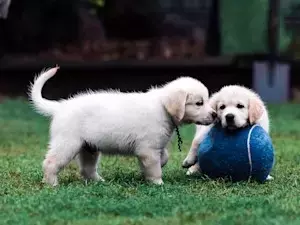
Bringing a new puppy home is an exciting journey filled with adorable moments and numerous challenges. This comprehensive guide provides essential strategies and a structured timeline for training your puppy during their first six months. From establishing a sense of safety and belonging to mastering potty training, socialization, and basic commands, this resource aims to equip new pet parents with the knowledge and tools needed to foster a well-behaved and happy canine companion, ensuring a harmonious life together.
 Jan 12, 2026
Dogs: Our Four-Legged Stress Busters
Dogs are more than just pets; they're vital companions that significantly reduce stress and enhance our well-being. This article explores how our canine friends offer emotional support, encourage physical activity, and provide a unique bond that helps us navigate life's challenges. From joyful interactions to structured training, dogs contribute immensely to a calmer, happier existence, emphasizing the mutual benefits of this special relationship.
 Jan 12, 2026
Integrating Canine Companions with a Newborn
Preparing a household with multiple dogs for the arrival of a new baby presents unique challenges and opportunities for integration. This narrative explores strategies for fostering harmonious coexistence between pets and infants, emphasizing preemptive training, routine adjustment, and balanced attention to ensure all family members feel secure and loved.