 Eilmeldungen & Live-Updates
- Eilmeldungen & Live-Updates
- Eilmeldungen & Live-Updates
- Eilmeldungen & Live-Updates
- Eilmeldungen & Live-Updates
- Eilmeldungen & Live-Updates
- Eilmeldungen & Live-Updates
- Eilmeldungen & Live-Updates
- Eilmeldungen & Live-Updates
- Eilmeldungen & Live-Updates
Effective Strategies to Keep Your Dog Off the Sofa
For many pet owners, the dilemma of canines claiming prime sofa real estate is a familiar one. While some embrace their furry companions on the couch, others prefer to keep upholstered furniture exclusively for human use. This report delves into why dogs are drawn to the sofa and offers actionable strategies to guide them toward more appropriate lounging areas, emphasizing patience, consistency, and understanding their motivations.
Understanding Canine Sofa Habits: Insights from an Expert
Certified professional dog trainer and author Sassafras Patterdale highlights that dogs often seek the sofa for comfort, proximity to their owners, or simply out of boredom. Their instinct to 'nest' can lead them to dig into cushions to create a cozy spot. Additionally, the allure of stray crumbs or food particles buried within the upholstery can also motivate this behavior. In cases where digging is a plea for attention or a sign of under-stimulation, ensuring adequate exercise and providing engaging toys can be beneficial. During warmer periods, dogs might even be seeking a cooler surface, making the sofa an attractive option.
Practical Steps for Sofa-Free Living:
- Establish clear boundaries: From the outset, consistently prevent your dog from accessing the sofa. Ensure all household members and visitors adhere to these rules to avoid confusion.
- Offer attractive alternatives: Provide your dog with their own plush bed or comfortable resting spot near where the family gathers. Making this designated area inviting with blankets and toys can encourage them to choose it over the sofa.
- Implement strategic blocking: When you're away or unable to supervise, physically obstruct access to the sofa. This could involve closing doors, using baby gates, or arranging cushions as barriers. For some, crate training can also be an effective method.
- Utilize positive reinforcement: Reward your dog with treats and praise when they stay in their designated areas and avoid the sofa. This positive association helps reinforce desired behaviors. Clicker training can also be incorporated for more precise communication.
- Consider deterrents: For persistent cases, mild deterrents can be employed. Aluminum foil placed on the sofa can create an uncomfortable texture and noise. Noise-makers, like a can of coins, can briefly startle a dog jumping on the sofa, though this should be used cautiously with noise-sensitive pets. Specialized couch defenders or training mats, which may have nubs or emit static, offer more robust options to discourage sofa use.
- Embrace compromise: If all training efforts prove challenging, a pragmatic approach might be necessary. Investing in waterproof pet blankets or washable couch covers allows dogs to share the sofa without compromising furniture hygiene or longevity.
Ultimately, successfully managing a dog's sofa habits requires a blend of preventive measures, consistent training, and empathetic understanding of their needs. By setting clear expectations and providing appealing alternatives, pet owners can foster a harmonious home environment where both humans and their furry friends can relax comfortably, each in their designated spaces.
Weitere Artikel
 Jan 13, 2026
Unlocking Your Dog's Potential: The Joy and Benefits of Trick Training
Beyond basic commands, teaching your dog tricks like 'touch,' 'spin,' and 'shake a paw' offers significant advantages. These engaging activities not only enhance a dog's confidence and focus but also provide valuable tools for managing their behavior in various situations, transforming nervous reactions into positive interactions. Discover how to introduce these fun and functional skills to your canine companion with simple, effective methods.
 Jan 13, 2026
Mastering Puppy Potty Training: A Comprehensive Guide
Bringing a new puppy home is an exciting experience, but it comes with responsibilities, notably potty training. This guide offers essential strategies for effectively house-training your new canine companion, focusing on patience, consistency, and positive reinforcement. Discover techniques to prevent accidents, establish routines, and foster clear communication with your puppy, ensuring a smoother and more successful training journey for both of you.
 Jan 13, 2026
The Revolutionary Tennis Tumble: A Lifesaver for Energetic Dogs and Remote Workers
Discover how the Wild One Tennis Tumble, a simple yet ingenious dog puzzle toy, offers a much-needed solution for pet parents working from home. Designed to engage medium to large breeds, this durable, soft-plastic toy keeps active dogs like Harper entertained for hours, fostering focus for both pets and their remote-working owners.
 Jan 13, 2026
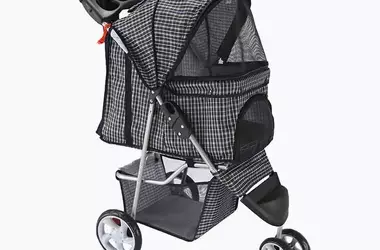
Guiding Your Canine Companion to Stroller Comfort: A Comprehensive Training Manual
As dogs age, their mobility may decline due to various health conditions. This article offers a comprehensive guide on how to introduce and train your beloved canine to use a pet stroller, ensuring they can still enjoy outdoor adventures and mental stimulation. With patience, positive reinforcement, and a gradual approach, most dogs can learn to love their new mode of transport. The guide also provides recommendations for different types of dog strollers, catering to various needs and activities.
Jan 13, 2026Choosing the Best Training Treats for Your Canine Companion
Discover the art of selecting the perfect training treats for your dog, with insights from certified dog behaviorist Lauren Novack. This guide explores low, medium, and high-value treats, offering tailored recommendations for puppies, small, medium, and large dogs, as well as options for sensitive stomachs and weight management. Learn how to maximize your training efforts with the right motivational rewards, ensuring both effectiveness and your dog's well-being.
 Jan 13, 2026
Transforming Dog Training Through Mindful Language
This article explores how the language we use to describe our dogs significantly impacts our training effectiveness and the bond we share. It identifies common, unhelpful terms used by pet owners and trainers, such as 'stubborn,' 'disobedient,' 'untrainable,' and 'pack leader.' By replacing these outdated or inaccurate phrases with more empathetic and constructive alternatives, owners can foster clearer communication, build stronger relationships, and enhance the overall training experience.