 Breaking News & Live Updates
- Breaking News & Live Updates
- Breaking News & Live Updates
- Breaking News & Live Updates
- Breaking News & Live Updates
- Breaking News & Live Updates
- Breaking News & Live Updates
- Breaking News & Live Updates
- Breaking News & Live Updates
- Breaking News & Live Updates
Cooling Cap Offers Relief for Depressive Symptoms
New research demonstrates that localized head cooling can swiftly alleviate symptoms of depression and induce calming neurological patterns in individuals. A randomized controlled trial examined the immediate and short-term effects of wearing a cooling cap that circulates liquid at a precise temperature of 33 degrees Fahrenheit. Using electroencephalogram (EEG) technology, scientists observed that a single 30-minute cooling session led to a notable increase in alpha brain waves, which are recognized as an electrophysiological indicator of a calm, relaxed state of wakefulness. Over a one-week trial period, this non-invasive, drug-free intervention proved more effective in reducing self-reported depressive symptoms compared to standard relaxation controls, underscoring its potential as an accessible, low-risk mental health strategy.
The inspiration for this clinical inquiry originated from prior sports medicine research conducted by Dr. Semyon Slobounov, the study's senior author. His earlier work showed that regular head cooling accelerated neurological recovery and reduced systemic symptoms in athletes who had sustained concussions. Building on this foundation, researchers designed an experiment involving 24 healthy college students, aged 18 to 26. These participants first underwent baseline assessments of their cognitive function, mental health status, and brain activity via EEG. Half of the cohort wore a custom-fitted cooling cap for 30 minutes in a dimly lit room, while the control group sat under similar conditions without a cap.
Immediately following the initial session, the group using the head-cooling cap exhibited a 4% increase in alpha brain wave activity. This surge indicates a reduction in neural hyper-activation and an immediate physiological calming effect. In contrast, participants in the control group showed a slight decrease of 0.5% in alpha waves. However, EEG scans taken the day after the final consecutive session revealed no long-term differences in alpha wave baselines between the two groups. This suggests that while head cooling acutely shifts brain wave activity, it does not permanently alter resting neural rhythms. Nevertheless, both groups reported a reduction in depressive symptoms over the week, likely due to the relaxing environment, but the head-cooling group experienced a significantly greater, cumulative reduction in depression markers.
Initially, investigators hypothesized that the cap directly modified neural electrical activity through temperature-driven physiological mechanisms. However, the EEG data points to a psychosomatic mechanism. It appears that the localized, pleasant sensory experience of cooling induces a relaxed mental and emotional state, which subsequently influences brain wave production. The researchers emphasize that this low-risk, drug-free intervention is not intended to replace traditional psychiatric care. Instead, it serves as an accessible, consumer-friendly acute relaxation tool, much like using cold compresses to manage migraines historically.
This study underscores the potential of selective head cooling as a temporary calming therapy. It offers an additional resource in the array of mental health interventions available, particularly for individuals seeking immediate relief from depressive symptoms. The non-pharmacological nature and high user acceptance make it a promising avenue for further exploration and application in broader contexts.
Other Articles
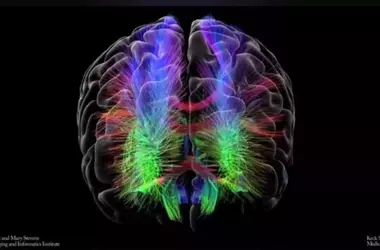
Bipolar Disorder and Brain Connectivity
A recent study conducted by researchers at the Stevens Neuroimaging and Informatics Institute at USC, in collaboration with the ENIGMA Bipolar Disorder Working Group, reveals that individuals with bipolar disorder exhibit less efficient brain communication networks. This large-scale meta-analysis, encompassing data from 449 bipolar patients and 510 healthy controls, utilized diffusion MRI and graph theory to map the brain's white matter pathways, offering critical insights into how illness progression and therapeutic interventions influence neural wiring.

74 Genetic Locations Linked to Anxiety Identified
The largest-ever genome-wide association study (GWAS) on anxiety has uncovered 74 genetic locations, including 39 novel ones, that are associated with the condition. These findings, published in Nature Human Behaviour, stem from analyzing genomic data of nearly 700,000 individuals, shifting the focus from binary clinical diagnoses to the continuous spectrum of anxiety symptom severity. The research highlights the role of genes like PCLO and SORCS3 in neural communication and suggests that while genetics contribute about 6% to anxiety differences, environmental factors are key to rising anxiety rates. The study also reveals genetic overlaps with other mental and physical health conditions.

The Emergence of AI Para-therapy: Redefining Mental Health Support
A 2026 survey reveals that 'therapy and companionship' is the primary application of generative AI, with nearly 20% of young individuals utilizing AI chatbots for mental health purposes, often without informing others. This phenomenon, termed 'para-therapy,' signifies an emotional engagement with AI that mimics therapeutic interactions but operates outside conventional mental health regulations and oversight, raising critical questions about its efficacy, safety, and the future of professional psychotherapy.

Understanding Narcissism in Social Media Interactions
A recent study explores how narcissistic traits manifest in daily social media behavior. Researchers found that narcissistic admiration is linked to positive self-presentation and optimistic expectations for social media engagement, while narcissistic rivalry is associated with negative posting behavior and pessimistic views on social interactions. The findings highlight the internal psychological processes driving narcissists' online conduct.

Unlocking the Mood-Boosting Power of Everyday Movement
A groundbreaking international study involving over 8,000 participants reveals a powerful, bidirectional link between light physical activity and positive mood. The research, which utilized wearable sensors and real-time tracking, demonstrates that even simple movements like chores or short walks can immediately elevate happiness and energy, subsequently inspiring further physical engagement. This continuous virtuous cycle challenges traditional notions of exercise, highlighting the profound psychological benefits of integrating more movement into daily life.
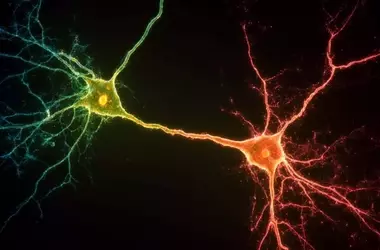
SSRIs Exert Divergent Effects on Serotonin Neurons
New research challenges the conventional understanding of the serotonin system, revealing that SSRIs prompt distinct serotonin neuron populations to react in opposing ways. This study utilized high-resolution spatial transcriptomics to map gene expression changes following both short- and long-term fluoxetine treatment. The findings suggest a molecular basis for the varied patient experiences, where initial adverse effects precede therapeutic benefits.