 Breaking News & Live Updates
- Breaking News & Live Updates
- Breaking News & Live Updates
- Breaking News & Live Updates
- Breaking News & Live Updates
- Breaking News & Live Updates
- Breaking News & Live Updates
- Breaking News & Live Updates
- Breaking News & Live Updates
- Breaking News & Live Updates
Comprehensive Guide to Puppy Training Essentials
Embarking on the journey of raising a new puppy is both exciting and challenging, often requiring more adaptation from the human than the canine. This comprehensive guide outlines the fundamental steps to successful puppy training, whether you opt for virtual guidance or in-person classes. It delves into seven essential aspects, from preparing your home for a new arrival to instilling critical commands such as 'stay' and recall. The article underscores the importance of positive reinforcement, consistency, and making training a playful and engaging experience for your furry friend, ultimately aiming to foster a well-behaved and secure companion.
A cornerstone of effective puppy training begins even before your new companion arrives: puppy-proofing your home. This proactive measure involves securing items that could be harmful or tempting, like electrical cords, household chemicals, and cherished belongings, thereby creating a safe environment where your puppy can explore without constant supervision or the opportunity to develop undesirable habits. Employing baby gates to limit access to certain areas can also prove invaluable in establishing boundaries from the outset. Once these physical boundaries are in place, the focus shifts to behavioral training, where positive reinforcement becomes your most powerful tool. This method involves rewarding desired actions immediately, using a verbal marker like 'yes' or a clicker, followed by a treat. This precise timing helps your puppy associate the reward with the specific action you wish to encourage, reinforcing good behavior and making the learning process enjoyable and effective.
Teaching your puppy to focus on you, even amidst distractions, is another vital command. Begin in a calm, quiet space, holding treats out of sight. Patiently wait for your puppy to make eye contact; the moment they do, mark the behavior and reward them instantly. As they master this in a controlled setting, gradually introduce more stimulating environments, such as your backyard, progressively challenging them to maintain focus. This 'staring contest' technique builds a strong bond and ensures your puppy's attention can be reliably captured. Similarly, developing proper leash manners is crucial for both your peace of mind and your dog's safety during walks. Start by practicing at home with a comfortable harness. Reward your puppy for walking calmly beside you. If they pull, stop immediately and only resume walking when the leash slackens, teaching them that pulling leads to a halt in their progress. This consistent approach gradually teaches them to walk politely on a leash, transforming outdoor excursions into pleasant experiences.
Recall training, teaching your dog to 'come' when called, is perhaps one of the most critical commands, potentially life-saving in emergencies. Start in a distraction-free area, calling your puppy from a short distance and rewarding them enthusiastically when they respond. Gradually increase the distance and introduce minor distractions as they improve. A reliable recall ensures your dog will return to you swiftly, whether they've slipped their collar near a busy street or are in a potentially dangerous situation at the dog park. The 'stay' command builds on this foundation, offering an additional layer of control and safety. Begin with short durations, rewarding your puppy for remaining in place before gradually extending the time and distance. This command requires patience and consistency, but mastering it allows you to trust your dog to remain stationary when necessary, preventing them from running into traffic or bothering others.
Finally, desensitizing your puppy to being handled is essential for their comfort during routine care, such as grooming and veterinary visits. Pair gentle touches of sensitive areas like paws and ears with treats, creating positive associations. Start with brief sessions and gradually increase the duration and intensity of handling, always ensuring the experience remains positive. This process helps your puppy develop a cooperative attitude towards being examined and cared for. Regarding the duration of training, research suggests that shorter, more frequent sessions, perhaps one to two times a week, can be more effective than daily, longer sessions. Consistency, coupled with incorporating play into training, significantly accelerates the learning process. While professional help can offer expert guidance and accelerate results, dedicated owners can achieve substantial success independently through thorough research and consistent application of these fundamental principles.
Other Articles
 Jan 13, 2026
Comprehensive Guide to Training a Rescue Dog
Adopting a rescue dog, while rewarding, comes with unique challenges due to their unknown backgrounds. This guide emphasizes the importance of building a strong bond, establishing routines, and implementing effective training techniques like crate and potty training, alongside essential basic cues such as 'stay,' 'sit,' 'drop it,' and recall. It also highlights the benefits of professional obedience classes to navigate difficulties and ensure a successful integration into their new home.
Jan 13, 2026The Profound Impact of Pet Parenting Styles on Animal Behavior and Well-being
This article explores how pet parenting styles significantly influence the behavior and emotional health of dogs and cats, drawing parallels with human child-parent relationships. Scientific studies highlight the deep attachment pets form with their caregivers and demonstrate how different parenting approaches—authoritative, authoritarian, and permissive—lead to varied behavioral outcomes. It emphasizes the importance of positive reinforcement, consistent expectations, and understanding a pet's needs to foster a strong, confident, and healthy companion.
 Jan 12, 2026
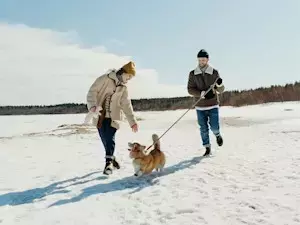
Overcoming Canine Snow Aversion: Solutions for Winter Potty Breaks
Winter weather, with its heavy snowfall and freezing temperatures, often poses a challenge for dog owners when it comes to their pets' potty habits. Many dogs develop an aversion to relieving themselves in the snow, leading to frustration for owners and discomfort for the animals. This article explores the reasons behind this behavior, from sensory discomfort to confusion about new surfaces, and provides practical tips to help dogs adapt and make winter outdoor excursions more manageable for both pets and their human companions.
 Jan 12, 2026
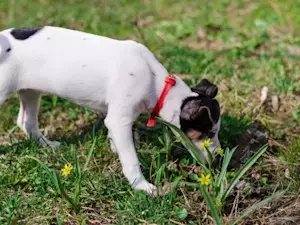
Unleashing Canine Superpowers: The Rise of Nose Work for Dogs
Nose work, a rapidly growing recreational sport, leverages dogs' extraordinary sense of smell for a fun and competitive activity. Developed in 2006 by experienced trainers, it allows dogs to locate hidden scents and alert their handlers. This sport offers significant physical and mental benefits, accommodates all dog types, and fosters a deeper bond between pets and their owners by emphasizing canine natural abilities.
 Jan 12, 2026
Common Dog Training Missteps and How to Avoid Them
Many dog owners unintentionally make training errors that can confuse their pets or hinder progress. Dogs are more attentive than we think and eager to please, but their human companions sometimes miscommunicate. This article, featuring insights from certified dog trainer Kim Roche and breeder Jamie Hansen, reveals seven common mistakes, such as repetitive calling and improper treat timing, offering practical advice to foster better behavior and a stronger bond between dogs and their owners.
 Jan 12, 2026
Understanding Emotional Support Animals: Rights and Restrictions
Emotional Support Animals (ESAs) offer comfort and assistance to individuals managing mental health conditions. While they provide significant benefits, it's crucial to understand their legal standing and the distinction between ESAs and service animals, particularly concerning access rights in various public and private settings. This article outlines where ESAs are typically welcomed and where restrictions may apply, helping owners navigate their responsibilities.