 Breaking News & Live Updates
- Breaking News & Live Updates
- Breaking News & Live Updates
- Breaking News & Live Updates
- Breaking News & Live Updates
- Breaking News & Live Updates
- Breaking News & Live Updates
- Breaking News & Live Updates
- Breaking News & Live Updates
- Breaking News & Live Updates
Comprehensive Approaches to Managing Obsessive-Compulsive Disorder
Living with Obsessive-Compulsive Disorder (OCD) presents significant challenges, yet a variety of therapeutic strategies offer paths to improved well-being. The cornerstone of effective treatment frequently involves cognitive-behavioral therapy (CBT), which systematically addresses the core mechanisms of the disorder. Beyond this primary approach, additional support mechanisms, including pharmacological interventions, family-centered counseling, and peer-led group settings, contribute to a holistic management plan. Furthermore, recognizing and addressing any underlying traumatic experiences can be pivotal for certain individuals in their journey toward recovery and greater stability.
Understanding and Navigating Obsessive-Compulsive Disorder: A Guide to Treatment and Support
For individuals grappling with the complexities of Obsessive-Compulsive Disorder (OCD), a beacon of hope lies in therapeutic interventions. The most robust and evidence-backed approach is undoubtedly cognitive-behavioral therapy (CBT). Within the framework of CBT, two critical components synergize to dismantle the grip of OCD. The first, known as exposure and response prevention, meticulously guides individuals through controlled encounters with the very triggers that ignite their obsessions, while concurrently preventing them from engaging in their customary compulsive responses. This methodical process gradually diminishes the power of these triggers. The second vital element is cognitive restructuring, which delves into challenging the deeply entrenched, often catastrophic thought patterns and the exaggerated feelings of responsibility that characterize OCD. Through this cognitive work, individuals learn to adopt healthier and more adaptive responses to intrusive thoughts, thereby reducing their reliance on compulsive behaviors.

While CBT forms the bedrock, a comprehensive treatment landscape for OCD incorporates several other valuable modalities. Pharmacological support, particularly the judicious use of antidepressants, can often complement therapeutic efforts, although medication alone seldom provides a complete resolution to symptoms. Moreover, recognizing the profound impact OCD can have on familial dynamics, family therapy emerges as a crucial resource. It fosters a deeper understanding of the disorder among family members, helping to mitigate conflicts and equipping loved ones with effective strategies to support the individual navigating OCD. For many, the journey can feel isolating, but group therapy offers a sanctuary of shared experience. In these settings, individuals connect with fellow sufferers, finding solace, encouragement, and a diminished sense of solitude.
A critical consideration in some cases of OCD, such as compulsive washing or hoarding, is the potential role of unresolved trauma. For those whose OCD symptoms appear to be coping mechanisms for past traumatic experiences, traditional cognitive approaches might prove less effective until these deeper, underlying issues are systematically addressed and processed. This nuanced understanding underscores the importance of a thorough assessment to tailor the most appropriate and effective treatment plan.
Beyond professional interventions, the support system surrounding an individual with OCD plays an immeasurable role in their journey toward recovery. The reactions of loved ones can significantly sway the treatment trajectory. A calm, empathetic, and supportive environment can dramatically enhance treatment outcomes, whereas negative comments or criticism can inadvertently exacerbate symptoms. It is paramount to remember that OCD behaviors are symptoms of a medical condition, not indicators of character flaws; therefore, personal criticisms are counterproductive. Scolding or demanding an immediate cessation of rituals is futile, as individuals cannot simply comply, and such pressure only intensifies their internal struggle. Instead, boundless kindness and unwavering patience are essential, allowing individuals to progress at their own unique pace. Celebrating even the smallest victories in resisting OCD and consciously shifting focus to the positive aspects of their life can be incredibly empowering.
As a reflective observer of this comprehensive overview, one cannot help but feel a profound sense of optimism coupled with a recognition of the intricate nature of mental health. The emphasis on tailored treatment plans, acknowledging both individual psychological processes and broader social contexts, is particularly enlightening. The piece effectively conveys that OCD is not merely a collection of behaviors but a deeply personal experience, often intertwined with cognitive distortions and, at times, unaddressed trauma. It powerfully underscores that recovery is a collaborative journey, demanding not just professional expertise but also the unwavering, informed, and compassionate support of family and community. This narrative serves as a compelling call to action for empathy and understanding, highlighting that while the path may be challenging, with the right tools and support, individuals can navigate the complexities of OCD and reclaim their lives. It inspires a belief in the resilience of the human spirit and the transformative power of holistic care.
Other Articles

Navigating Grief: The Importance of Connection and Support
This article explores various strategies for coping with grief, emphasizing the critical role of social connection and support systems. It highlights the necessity of expressing emotions, leaning on friends and family, and understanding how others might react to your loss. The piece also suggests finding comfort in faith, joining support groups, and seeking professional help from therapists or grief counselors to navigate the challenging journey of healing after loss.

Revolutionary AI-Powered Bionic Hands Offer Enhanced Dexterity and Reduced Cognitive Load
A groundbreaking AI system has been developed that enables bionic hands to perform intricate grasping tasks with remarkable precision and minimal mental effort from the user. By integrating pressure and proximity sensors into prosthetic fingertips, engineers have created a shared control mechanism. This innovative approach allows the bionic hand to intuitively adjust its grip, significantly improving stability and decreasing the cognitive strain typically associated with operating prostheses. The research, detailed in Nature Communications, marks a significant leap forward in prosthetic technology, offering a more natural and user-friendly experience for individuals with limb differences.

Cognitive Digital Twins: A Revolutionary Approach to Mental Health
Researchers are proposing the use of 'cognitive digital twins' to monitor and safeguard mental health. These virtual replicas, powered by AI and real-time data from wearable devices, could predict cognitive decline, offer personalized brain training, and revolutionize preventative mental healthcare. This innovative concept aims to create dynamic models of individuals' cognitive and emotional states, leading to more personalized and proactive interventions.

Navigating the Journey of Grief: A Guide to Healing and Self-Care
Grief, an intricate emotional response to significant loss, necessitates a deliberate approach to self-care. It's crucial to confront and express feelings, engage in personal interests, and prioritize physical well-being. Recognizing individual grieving patterns and preparing for emotional triggers are also vital steps toward healing and emotional resilience.

Disrupted Sleep May Hinder Brain's Toxin Clearance, Increasing Dementia Risk
New research suggests that impaired sleep could impede the brain's crucial waste removal system, known as the glymphatic system, potentially leading to a buildup of toxins and an elevated risk of dementia. While much of the foundational research has been conducted in mice, the implications for human brain health are significant, prompting ongoing studies into how sleep quality impacts neurological health and the prevention of cognitive decline.
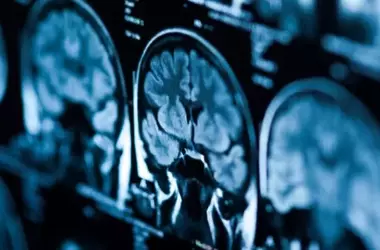
Mapping the Mind: How the Brain Processes Different Facets of Life Satisfaction
New research illuminates the distinct neural mechanisms underlying various components of personal well-being. The study, published in *Emotion*, reveals that reflections on family life engage memory-centric brain areas, while contemplating stress management activates cognitive control regions. These findings underscore the multidimensional nature of well-being, suggesting tailored approaches might be more effective for mental health interventions. The research highlights young adults' struggles with stress and their desire for growth, offering a deeper understanding of the brain's role in processing life satisfaction.