 Breaking News & Live Updates
- Breaking News & Live Updates
- Breaking News & Live Updates
- Breaking News & Live Updates
- Breaking News & Live Updates
- Breaking News & Live Updates
- Breaking News & Live Updates
- Breaking News & Live Updates
- Breaking News & Live Updates
- Breaking News & Live Updates
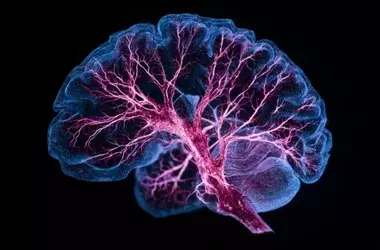
Brain Histamine System's Role in Mental Health Disorders Unveiled
A recent study by King's College London and the University of Porto has unveiled the first comprehensive map of the brain's histamine system, demonstrating its intricate links to various mental health conditions. While histamine is widely recognized for its role in allergic reactions, this research highlights its crucial yet often overlooked function as a neurotransmitter involved in emotional regulation, sleep patterns, and cognitive processes like memory. This new framework offers significant insights into how disruptions in the histamine system might contribute to disorders such as ADHD, depression, and schizophrenia, paving the way for potential new therapeutic approaches.
This pioneering research integrates molecular biology, genetic data, and real-time Positron Emission Tomography (PET) imaging to construct a multiscale atlas of the brain's histamine system. By examining the distribution and activity of histamine receptors, the study found that these receptors are present on both excitatory and inhibitory neurons, indicating histamine's critical role in maintaining the brain's electrical balance. Furthermore, regions with high histamine-related gene expression were consistently associated with emotional regulation, stress responses, decision-making, reward processing, and sleep, underscoring its broad impact on neuropsychological functions. The strong overlap between these histamine-rich brain areas and those affected by major psychiatric disorders suggests that the histamine system is a key player in the pathology of these conditions.
Unraveling the Brain's Histamine Network and its Psychiatric Connections
The intricate mapping of the brain's histamine system, detailed in recent research, reveals a previously underappreciated role for this molecule beyond its well-known involvement in allergies. This pioneering study from King's College London and the University of Porto establishes the first comprehensive, multiscale map, spanning from genetic predispositions to observable behaviors and mental health states. By integrating advanced molecular biology, detailed genetic analysis, and innovative Positron Emission Tomography (PET) imaging techniques, scientists have gained unprecedented insight into how the histamine system functions within living individuals. The findings underscore histamine's critical role as a neurotransmitter, deeply influencing emotional processing, sleep architecture, and memory consolidation. This fresh perspective offers a foundational understanding of how histamine dysregulation might underpin complex neuropsychiatric conditions.
The research systematically explored the localization and function of various histamine receptors, discovering their presence on both excitatory and inhibitory neurons. This dual distribution points to histamine's fundamental involvement in regulating the brain's excitation-inhibition balance, a cornerstone for healthy neurological function. Notably, brain regions exhibiting elevated histamine-related gene expression were found to be central to emotional regulation, stress responses, fear conditioning, decision-making, reward pathways, and the intricate processes of sleep and memory. Crucially, these same histamine-active brain areas showed significant overlap with regions implicated in major psychiatric disorders, including attention-deficit/hyperactivity disorder (ADHD), major depressive disorder, schizophrenia, and anorexia nervosa. This strong correlation provides a compelling hypothesis for histamine's contribution to the regional vulnerabilities observed in these conditions, suggesting a more complex, interconnected neural puzzle than previously assumed.
Histamine: A New Frontier for Mental Health Therapies
The comprehensive mapping of the brain's histamine system has opened new avenues for therapeutic interventions in mental health, shifting focus beyond traditional targets like dopamine and serotonin. This research suggests that histamine, through its complex interactions with other neurotransmitter systems, significantly influences symptoms such as cognitive dysfunction, chronic fatigue, and impaired motivation. By providing a detailed anatomical and functional map, the study highlights opportunities for developing novel treatments that directly modulate the histamine system. This approach could offer more targeted solutions for individuals who do not respond to existing medications, or for symptoms that current treatments fail to address effectively.
The study emphasizes that mental health conditions are not merely the result of a single chemical imbalance but rather stem from disruptions across a network of interacting brain systems. Histamine's involvement in maintaining neural balance and its pervasive influence on critical brain functions—from emotional processing to sleep and memory—make it an attractive candidate for new drug development. Researchers are now exploring how histamine signaling can be altered in living individuals, for instance, through pharmacological interventions or longitudinal imaging studies. Projects like iMarkHD are already leveraging PET scans to investigate specific histamine receptors in conditions like Huntington's disease, aiming to understand how changes in histamine activity correlate with symptoms such as apathy, depression, and anxiety. This ongoing work promises to unlock innovative approaches to diagnosis and treatment, ultimately leading to more personalized and effective mental healthcare strategies.
Other Articles
Metabolic Dysregulation and Cognitive Impairment in Bipolar Disorder
A groundbreaking study differentiates the biological underpinnings of Bipolar Disorder (BD) and Major Depressive Disorder (MDD), specifically linking metabolic dysfunction, altered brain structure, and cognitive deficits in BD. The research reveals that insulin and leptin resistance contribute to gray matter reduction in crucial brain regions, impacting memory and executive functions. These findings suggest novel therapeutic strategies targeting metabolic pathways to address persistent cognitive challenges in BD, even when mood symptoms are stable.

Aerobic Exercise's Immediate Cognitive Benefits for Anxious Students
A recent study from Nanjing University published in "Physiology & Behavior" demonstrates that just 30 minutes of moderate aerobic exercise can significantly alleviate test anxiety and enhance cognitive focus in university students. The research, led by psychologists Lingfeng Wu and Renlai Zhou, found that physical activity improves inhibitory control and processing speed by rebalancing brain activity, offering a temporary yet effective remedy for academic stress and distraction.

The Detrimental Impact of 'Fitspiration' on Mental Health and Motivation
A meta-analysis reveals that 'fitspiration' content, despite its intention to motivate, often leads to negative emotions and counterproductive behaviors among young adults. This content fosters upward social comparison, diminishes self-efficacy, generates negative affect, and promotes maladaptive habits, undermining genuine health goals.

Social Media Paradox: Strong Connections, Weak Content Retention
New research highlights a cognitive trade-off in online social interactions: as individuals excel at social networking, their ability to learn and recall content diminishes. This effect is particularly pronounced in those with higher working memory capacity, who strategically offload information recall to their social network, treating it as an "external hard drive."

The Diminishing Sting of Regret with Advancing Age
A recent study indicates that as individuals age, their experience of regret undergoes a significant transformation. Older adults report fewer recent regrets and exhibit a marked decrease in the emotional intensity associated with both recent and long-term past decisions. This shift suggests that aging fosters a unique emotional resilience, allowing for a reinterpretation of past missteps as valuable opportunities for reflection rather than sources of enduring distress.

Swearing: A Sign of Eloquence, Not Linguistic Deficiency
Contrary to popular belief, a comprehensive vocabulary of expletives actually indicates superior verbal fluency, a 2015 study in Language Sciences reveals. Researchers Kristin L. Jay and Timothy B. Jay challenged the long-held assumption that frequent swearing is a sign of limited vocabulary, demonstrating that individuals proficient in taboo language also exhibit strong overall verbal abilities.