 Breaking News & Live Updates
- Breaking News & Live Updates
- Breaking News & Live Updates
- Breaking News & Live Updates
- Breaking News & Live Updates
- Breaking News & Live Updates
- Breaking News & Live Updates
- Breaking News & Live Updates
- Breaking News & Live Updates
- Breaking News & Live Updates
Bipolar Disorder and Brain Connectivity
A pioneering investigation has shed light on the intricate communication pathways within the brains of individuals diagnosed with bipolar disorder, pinpointing structural differences that could impact how information is processed. By synthesizing diffusion MRI data from numerous participants across international research institutions, scientists have uncovered subtle yet pervasive inefficiencies in the brain's white matter networks.
This extensive meta-analysis, conducted under the auspices of the ENIGMA Bipolar Disorder Working Group, employed advanced graph theory to model brain activity, drawing parallels between neural networks and a complex transit system. The findings indicate that in bipolar disorder, there are widespread, minor reductions in the density of structural network connections, resulting in longer signal transmission routes. Furthermore, the brain appears to over-rely on a limited selection of central 'hub' regions, suggesting a less adaptable and more rigid communication architecture. The observed structural impairments are not arbitrary; they are predominantly concentrated in vital functional networks governing emotional regulation, motivational responses, self-reflection, and the prioritization of sensory information.
The research also established a correlation between specific anatomical patterns and the clinical course of the illness. For instance, a prolonged duration of bipolar disorder was associated with a broad decline in overall network routing efficiency and compromised connectivity between the amygdala and hippocampus, brain regions critical for emotion and memory. Conversely, a later onset of the disorder was linked to distinct structural modifications in circuits connecting the cerebellum, thalamus, and fronto-limbic pathways. Patients with a history of psychosis displayed more extensive systemic network disorganization, while those experiencing more manic episodes showed increased connectivity in certain fronto-limbic pathways, potentially indicating an illness-driven adaptation. Additionally, the study uniquely categorized psychiatric medications by their biological mechanisms, revealing that selective serotonin reuptake inhibitors (SSRIs), anticonvulsants, and antipsychotics are correlated with specific alterations in structural connectivity across emotion-regulation and cognitive-control pathways.
This groundbreaking research underscores the complexity of bipolar disorder, highlighting that its biological underpinnings involve system-wide alterations in brain communication rather than isolated regional deficits. The findings open new avenues for understanding how the disease progresses and how various treatments exert their effects, paving the way for more personalized and effective therapeutic strategies in mental health care.
Other Articles

74 Genetic Locations Linked to Anxiety Identified
The largest-ever genome-wide association study (GWAS) on anxiety has uncovered 74 genetic locations, including 39 novel ones, that are associated with the condition. These findings, published in Nature Human Behaviour, stem from analyzing genomic data of nearly 700,000 individuals, shifting the focus from binary clinical diagnoses to the continuous spectrum of anxiety symptom severity. The research highlights the role of genes like PCLO and SORCS3 in neural communication and suggests that while genetics contribute about 6% to anxiety differences, environmental factors are key to rising anxiety rates. The study also reveals genetic overlaps with other mental and physical health conditions.

The Emergence of AI Para-therapy: Redefining Mental Health Support
A 2026 survey reveals that 'therapy and companionship' is the primary application of generative AI, with nearly 20% of young individuals utilizing AI chatbots for mental health purposes, often without informing others. This phenomenon, termed 'para-therapy,' signifies an emotional engagement with AI that mimics therapeutic interactions but operates outside conventional mental health regulations and oversight, raising critical questions about its efficacy, safety, and the future of professional psychotherapy.

Understanding Narcissism in Social Media Interactions
A recent study explores how narcissistic traits manifest in daily social media behavior. Researchers found that narcissistic admiration is linked to positive self-presentation and optimistic expectations for social media engagement, while narcissistic rivalry is associated with negative posting behavior and pessimistic views on social interactions. The findings highlight the internal psychological processes driving narcissists' online conduct.

Unlocking the Mood-Boosting Power of Everyday Movement
A groundbreaking international study involving over 8,000 participants reveals a powerful, bidirectional link between light physical activity and positive mood. The research, which utilized wearable sensors and real-time tracking, demonstrates that even simple movements like chores or short walks can immediately elevate happiness and energy, subsequently inspiring further physical engagement. This continuous virtuous cycle challenges traditional notions of exercise, highlighting the profound psychological benefits of integrating more movement into daily life.
SSRIs Exert Divergent Effects on Serotonin Neurons
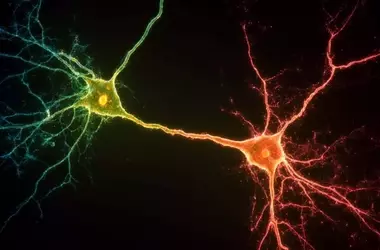
New research challenges the conventional understanding of the serotonin system, revealing that SSRIs prompt distinct serotonin neuron populations to react in opposing ways. This study utilized high-resolution spatial transcriptomics to map gene expression changes following both short- and long-term fluoxetine treatment. The findings suggest a molecular basis for the varied patient experiences, where initial adverse effects precede therapeutic benefits.

Early Outdoor Play Enhances Childhood Mental Well-being
A recent study highlights the long-term mental health benefits of outdoor play during preschool years. Children aged two to four who frequently engage in outdoor activities show a reduced likelihood of developing emotional and behavioral issues by age eight. This research, based on data from thousands of children, suggests that consistent outdoor play acts as a buffer against anxiety, depression, and hyperactivity, underscoring the importance of preserving public play spaces for children's developmental health.