 Breaking News & Live Updates
- Breaking News & Live Updates
- Breaking News & Live Updates
- Breaking News & Live Updates
- Breaking News & Live Updates
- Breaking News & Live Updates
- Breaking News & Live Updates
- Breaking News & Live Updates
- Breaking News & Live Updates
- Breaking News & Live Updates
Angina Pectoris: Understanding Causes, Mechanisms, and Clinical Considerations

1. Defining the Objective
Angina pectoris is a symptom complex that arises when the myocardial oxygen demand exceeds supply, typically due to partial obstruction of the coronary arteries. The term “angina” is often associated with transient episodes of chest discomfort, pressure, or tightness that may radiate to the shoulders, arms, neck, jaw, or back. The primary objective of this article is to provide an accurate and neutral overview of angina pectoris, explaining its physiological basis, clinical manifestations, and the general principles underlying its assessment and care.
Key questions addressed include:
- What is angina pectoris and how is it classified?
- What are the physiological and pathophysiological mechanisms involved?
- How is angina recognized and evaluated in clinical practice?
- What considerations exist regarding its management and monitoring?
2. Fundamental Concepts and Terminology
2.1 Definition and Basic Description
Angina pectoris is defined as chest discomfort or pain resulting from myocardial ischemia, a state in which the heart muscle receives insufficient oxygen-rich blood to meet its metabolic demands. Episodes are usually transient, lasting from a few minutes to around 15 minutes, and are often triggered by physical exertion, emotional stress, or other factors that increase myocardial oxygen demand.
2.2 Classification of Angina
Angina is commonly categorized into the following types:
Stable angina
- Predictable pattern, often triggered by exertion or stress
- Symptoms generally resolve with rest or reduced activity
Unstable angina
- Occurs at rest or with minimal exertion
- Often indicates a higher risk of acute coronary events
Variant (Prinzmetal) angina
- Caused by transient coronary artery spasm
- May occur at rest, often with circadian patterns
Microvascular angina
- Associated with small-vessel disease and impaired microcirculation
- May present without significant epicardial coronary artery obstruction
2.3 Epidemiological Considerations
Angina is a common manifestation of ischemic heart disease and is prevalent among adults with cardiovascular risk factors such as hypertension, diabetes, hyperlipidemia, and smoke history. It may also appear in individuals with non-obstructive coronary disease.
3. Core Mechanisms and Pathophysiology
3.1 Myocardial Oxygen Supply and Demand
The heart relies on a balance between oxygen supply and demand. Oxygen is delivered through the coronary arteries and consumed by cardiac myocytes to generate energy via aerobic metabolism. Factors affecting this balance include:
- Coronary artery diameter and blood flow
- Hemoglobin concentration and oxygen saturation
- Heart rate, contractility, and ventricular wall stress
3.2 Coronary Artery Disease
A major cause of angina is atherosclerosis, the buildup of plaque within the coronary arteries. Plaque narrows the vessel lumen, limiting blood flow, particularly during periods of increased myocardial demand.
3.3 Coronary Vasospasm
In variant angina, transient spasm of a coronary artery reduces oxygen delivery despite the absence of significant plaque. The exact mechanisms involve endothelial dysfunction, smooth muscle hyperreactivity, and autonomic nervous system influences.
3.4 Microvascular Dysfunction
Microvascular angina involves abnormal function of the smaller coronary vessels, which may impair perfusion even when larger arteries appear unobstructed. Contributing factors include endothelial dysfunction, inflammation, and altered vasodilatory responses.
3.5 Physiological Response to Ischemia
Reduced oxygen availability leads to accumulation of metabolic byproducts such as lactate and adenosine. These compounds stimulate cardiac nerve endings, producing the characteristic sensation of chest discomfort or pressure.
4. Presenting the Full Picture: Clinical Considerations
4.1 Symptom Presentation
Angina is typically described as:
- Chest pressure, tightness, or heaviness
- Pain radiating to the left arm, neck, jaw, or back
- Shortness of breath, fatigue, or nausea in some individuals
The duration is usually brief, with relief occurring after rest or removal of the triggering factor.
4.2 Diagnostic Evaluation
Assessment generally involves:
- Patient history and physical examination
- Electrocardiography (ECG) to detect ischemic changes
- Stress testing to provoke symptoms under controlled conditions
- Coronary imaging (angiography or non-invasive imaging) to assess vessel obstruction
Additional laboratory evaluation may include biomarkers of myocardial injury, lipid profile, and other cardiovascular risk assessments.
4.3 Management Considerations
Management of angina involves general strategies to reduce ischemia and monitor symptoms:
- Lifestyle modification and risk factor management
- Pharmacological interventions aimed at improving oxygen supply-demand balance
- Monitoring for progression to acute coronary syndromes
The choice of approach depends on individual patient characteristics, risk stratification, and underlying pathophysiology.
4.4 Safety and Monitoring
Regular follow-up is often recommended for individuals with recurrent angina. Monitoring includes assessment of symptom frequency, triggers, exercise tolerance, and response to therapy. Prompt evaluation is advised if there is an increase in severity or frequency of symptoms.
5. Summary and Future Outlook
Angina pectoris represents a clinical manifestation of myocardial ischemia and can result from multiple mechanisms, including coronary artery disease, vasospasm, and microvascular dysfunction. Understanding the condition requires recognition of its pathophysiology, symptom patterns, and clinical evaluation methods.
Ongoing research explores advances in non-invasive imaging, biomarkers, and novel therapeutic approaches aimed at improving patient outcomes and quality of life. Emerging technologies also aim to better characterize microvascular dysfunction and personalize management strategies.
6. Informational Questions and Answers
Q1: What is the primary cause of angina pectoris?
Reduced blood flow to the heart muscle, often due to atherosclerotic narrowing of the coronary arteries, is the most common cause.
Q2: How does stable angina differ from unstable angina?
Stable angina occurs predictably with exertion and is relieved by rest, while unstable angina may occur at rest or with minimal activity and often indicates higher cardiovascular risk.
Q3: What role do microvessels play in angina?
Microvascular angina involves dysfunction in small coronary vessels that can impair oxygen delivery even when large arteries are unobstructed.
Q4: How is angina evaluated in a clinical setting?
Evaluation includes history taking, physical examination, ECG, stress testing, and sometimes imaging of the coronary arteries.
Q5: Why is monitoring of angina important?
Changes in frequency, severity, or triggers may indicate progression of underlying heart disease and require timely assessment.
Q6: Can angina occur without significant artery blockage?
Yes, variant angina and microvascular angina can occur even without major obstructive lesions in the coronary arteries.
https://www.heart.org/en/health-topics/angina
https://www.ncbi.nlm.nih.gov/books/NBK459455/
https://www.ahajournals.org/doi/10.1161/CIR.0000000000000877
https://www.who.int/news-room/fact-sheets/detail/cardiovascular-diseases-(cvds)
https://www.ncbi.nlm.nih.gov/books/NBK500027/
https://www.uptodate.com/contents/overview-of-angina-pectoris
https://www.mayoclinic.org/diseases-conditions/angina/symptoms-causes/syc-20369373
https://www.cdc.gov/heartdisease/angina.htm

Other Articles
 Mar 10, 2026
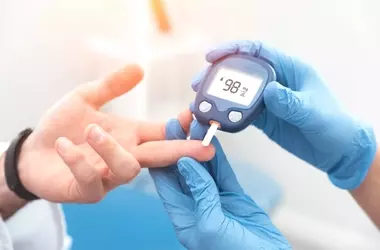
Diabetes: Mechanisms, Classification, and Clinical Overview
Diabetes mellitus is a chronic metabolic condition characterized by elevated blood glucose levels resulting from defects in insulin production, insulin action, or both. This article provides a neutral, educational overview of diabetes, examining its definitions, types, underlying mechanisms, clinical implications, and monitoring considerations. The discussion follows a structured framework: defining the objective, analyzing basic concepts, exploring core mechanisms, presenting a comprehensive overview, summarizing insights and potential future developments, and concluding with a question-and-answer section addressing common informational queries.
 By Dr. Felipe Torres
 Mar 10, 2026
Pneumonia: Causes, Mechanisms, and Clinical Overview
Pneumonia is an acute or chronic infection of the lungs that affects the alveoli and surrounding lung tissue. It is caused by bacteria, viruses, fungi, or other pathogens and can vary in severity from mild to life-threatening. This article provides a neutral, educational overview of pneumonia, including its definition, basic concepts, physiological mechanisms, clinical presentation, diagnostic approaches, and public health considerations. The discussion follows a structured approach: defining the objective, analyzing basic concepts, explaining core mechanisms in depth, presenting a comprehensive overview, summarizing insights and future directions, and concluding with a question-and-answer section addressing frequently asked informational topics.
By Dr. Felipe Torres Mar 09, 2026
Hepatitis B: Scientific Overview of a Viral Liver Disease
Hepatitis B is a viral infection that affects the liver and is caused by the hepatitis B virus (HBV). It is recognized as a major global health concern due to its potential to cause both acute and chronic liver disease. This article provides a structured and neutral scientific overview of hepatitis B. The discussion begins by defining the disease and outlining the objectives of the article. It then introduces fundamental biological and epidemiological concepts, followed by a detailed explanation of the viral mechanisms and disease progression. A broader objective discussion of prevalence, transmission patterns, and diagnostic methods is presented before concluding with a summary and outlook. The article ends with a question-and-answer section addressing commonly discussed scientific aspects of hepatitis B.
 By Dr. Peter Van Dijk